

☠️ Carbon Monoxide — Non-Negotiable. A portable generator produces as much carbon monoxide as hundreds of idling cars, and CO has no color, no smell, and no warning. Never run a generator inside your home, garage, carport, or covered porch — even with the door open. Outdoors only, at least 20 feet from the house, exhaust pointed away from every window and door. And because storms knock out the hardwired detectors along with the lights, put a battery-operated CO alarm in the hallway outside your bedroom before the generator ever starts. It is the cheapest item on this page and the only one that can wake you up in time. View CO alarms on Amazon →
The short answer
What is the best backup power for a power outage?
There is no best one. There is the one that fits what you have to keep running, and who is going to be carrying the fuel at two in the morning on the fourth night. Here are the four, side by side.
| Option | What it keeps running | Cost | Fuel and noise | Best for |
|---|---|---|---|---|
| Portable battery bank | Phones, lights, a CPAP through the night | $200–$2,000 | No fuel, silent, safe indoors | Nearly everybody, as the first layer |
| Portable generator | Refrigerator, freezer, a window air conditioner, lights | $500–$3,000 | Gasoline or propane, loud, outdoors only | Someone able to fuel it and start it |
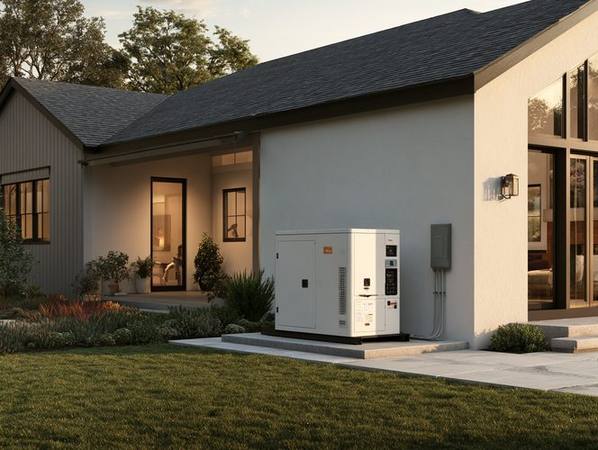
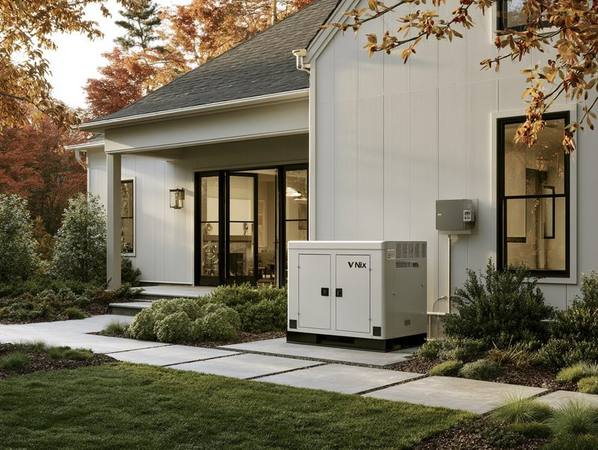
| Whole-home standby generator | The whole house, central air and medical equipment — starts itself | $5,000–$20,000 installed | Natural gas or propane, outdoors | A household where nobody should have to do anything |
| Solar + battery | Chosen circuits, for as long as the sun keeps coming up | $8,000–$30,000 installed | No fuel, silent | Long outages, and a smaller bill the rest of the year |
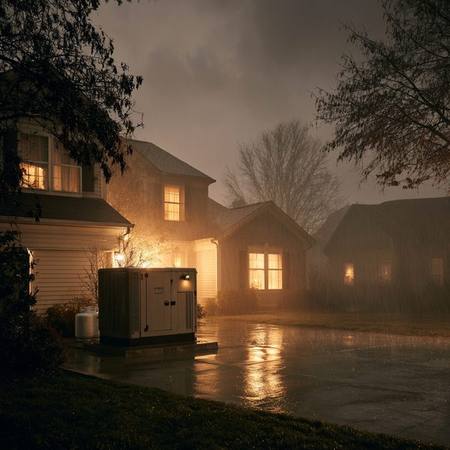
Carbon monoxide: Run any fuel-burning generator outdoors only, at least 20 feet from the house. Never in a garage, basement, shed or crawlspace. Put battery-operated carbon monoxide alarms on every level of the home. Portable generators kill nearly 100 people a year in the U.S. through carbon monoxide.
Not sure of the size? The generator size calculator does the arithmetic on your own list of appliances.
Sources: CPSC: Generator and carbon monoxide safety · Ready.gov: Power outages · checked September 29, 2026
Why Every Senior in America Is Vulnerable
Most people suppose a power outage means the weather came to their house. That is not how any of this works.
The American grid is one interconnected machine stretched across whole regions of the country. Something lets go forty miles off — a substation, a transmission line in the next county, a control system in another state entirely — and the failure travels outward until it arrives at your kitchen. Your weather can be perfect. Your lights go out anyway.
And it does not come back in an hour.
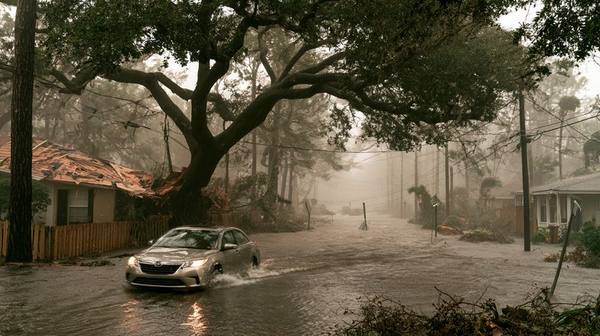
After Hurricane Ian crossed southwest Florida in 2022, some neighborhoods waited three weeks. In the Texas ice storm of February 2021, millions of people went four to seven days in single-digit cold. And when one of the big transformers goes — the sort that feeds a whole neighborhood — the replacement is built overseas and can take twelve to eighteen months to arrive. Not repaired. Manufactured.
If you live alone, or there is equipment beside the bed that plugs in, or medicine in the refrigerator that has an opinion about temperature, none of this is hypothetical. It happens to the coast in hurricane season, to the middle of the country in tornado season, and to the west in fire season, every single year.
What follows is fifteen documented ways the power goes out. Read them for the thing they have in common: hardly any of them require the disaster to come anywhere near your front door.
Natural Weather Events
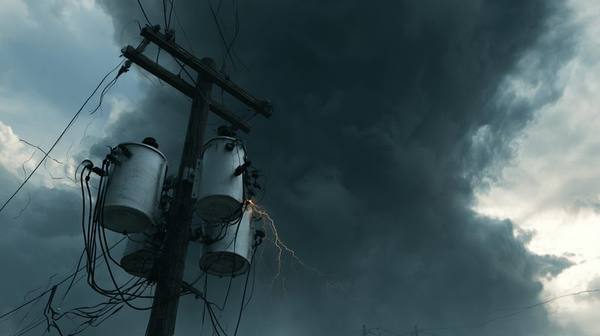
Hurricanes, tornadoes, ice storms, blizzards, and heat domes don't have to hit your house to take your power. They hit the infrastructure that serves your house — and that infrastructure can be hundreds of miles away.
Grid Infrastructure Age
The average American power transformer is over 40 years old. The grid was built for a different era — before climate extremes, before modern demand, before cyber threats. Aging equipment fails without warning and without weather.
Substation Failures & Attacks
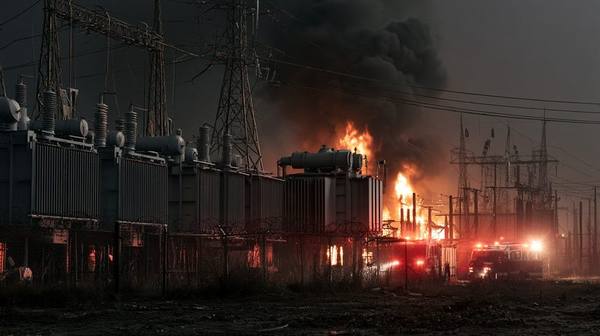
A single substation serves tens of thousands of homes. Fire, explosion, equipment failure, flooding, vandalism, or a sniper attack on the wrong transformer can knock out an entire region for days or weeks.

Cyberattacks on the Grid
Foreign nations and criminal organizations have already successfully hacked American utility companies. A coordinated cyberattack on grid management software could cause cascading outages across entire regions with no physical damage at all.
Physical Terrorism
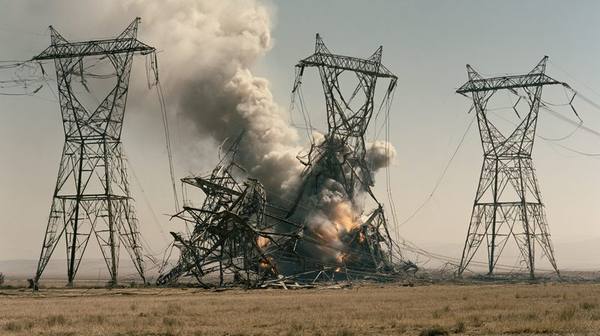
Coordinated physical attacks on transmission towers and substations are a documented and growing threat. FERC has warned that destroying just nine key substations could collapse the entire US grid for 18 months.
Animals & Wildlife
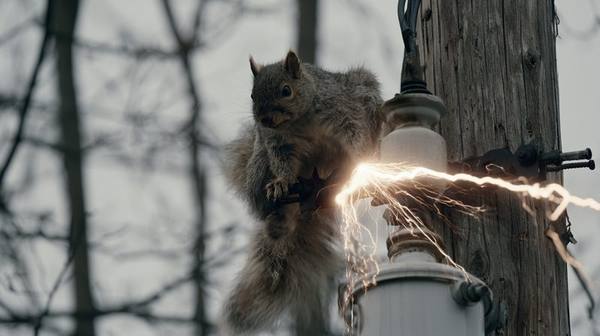
Squirrels are the single most common cause of substation outages in the United States. Birds, snakes, raccoons, and rats cause thousands of outages every year by contacting equipment that was never designed to keep them out.
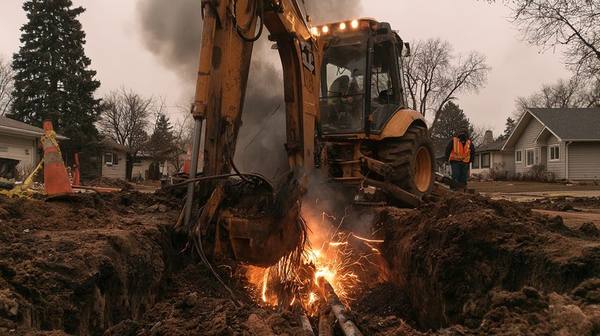
Human Accidents
A backhoe cuts a buried cable. A construction crew drills into an underground line. A farmer's irrigation equipment contacts a power line. Human error causes thousands of outages every year with no weather involved at all.
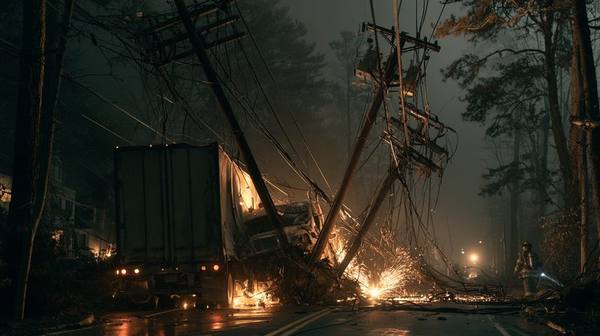
Vehicle Accidents
A car wraps around a utility pole at 3am. A semi-truck takes out a row of poles on a highway. A crane operator hits a transmission line. Vehicle accidents knock out power to thousands of homes every single day across America.

Solar & Space Weather
A powerful solar flare can induce massive electrical currents in transmission lines and fry transformers across entire continents. The 1989 Quebec geomagnetic storm knocked out power to 6 million people in 90 seconds. Scientists say it will happen again.

Demand Overload & Rolling Blackouts
When everyone runs their AC simultaneously during a heat wave, utilities issue rolling blackouts to prevent total grid collapse. Your power goes out on a schedule — not because anything broke, but because there simply isn't enough electricity to go around.

Water & Hydroelectric Failures
Drought reduces hydroelectric output and forces grid operators to cut supply. Flooding damages hydro infrastructure. Dam failures can take generating capacity offline for months. Water and electricity are more connected than most people realize.
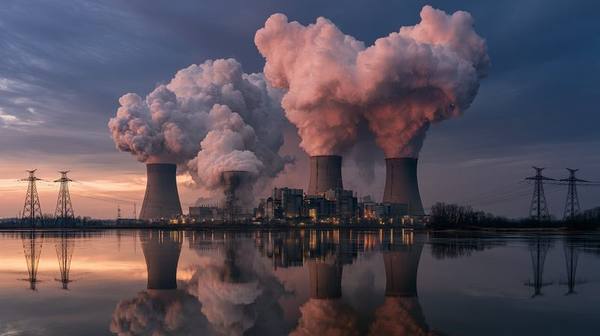
Nuclear & Power Plant Shutdowns
An unplanned reactor shutdown removes thousands of megawatts from the grid instantly. Natural gas pipeline failures knock out gas-fired plants. When a major power source goes offline unexpectedly, the ripple effect reaches homes miles away.

Political & Economic Failures
Utility company mismanagement, regulatory failures, deferred maintenance due to budget cuts, and political decisions about grid investment all translate directly into reliability failures for the people at the end of the line.

Communication & Control System Failures
SCADA systems control the flow of electricity across the grid. Software bugs, GPS disruptions, and communication failures in these systems can cause outages with no physical cause at all — the grid simply loses the ability to manage itself.

Prolonged Outage Multipliers
When a major outage hits, your neighborhood waits while hospitals get power first. Replacement transformers come from overseas and take months to arrive. Utility crews work from hundreds of miles away. Short outages become long ones — fast.
All event data and statistics cited on this page are drawn from public domain government sources including FEMA, NOAA, CDC, EIA, NERC, DOE, FERC, and the American Red Cross. Individual scenarios described are illustrative composites representing conditions documented across thousands of real events. No specific individuals are identified or implied. This page is for general preparedness awareness only and does not constitute medical, legal, or emergency management advice.
Your Backup Power Options
Every senior needs at least one layer of backup power. Here are the three main options — from most affordable to most comprehensive.
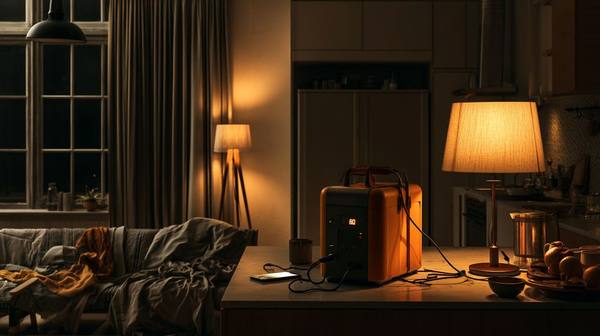
Portable Battery Banks
Where nearly everybody ought to start. It runs the telephones, the lights, and a CPAP through a night without making a sound, and there is nothing whatever to install — you take it out of the box and plug it in. $200–$2,000, and the low end of that is a real answer rather than a toy.
Budget Options on Amazon Top-Rated on Amazon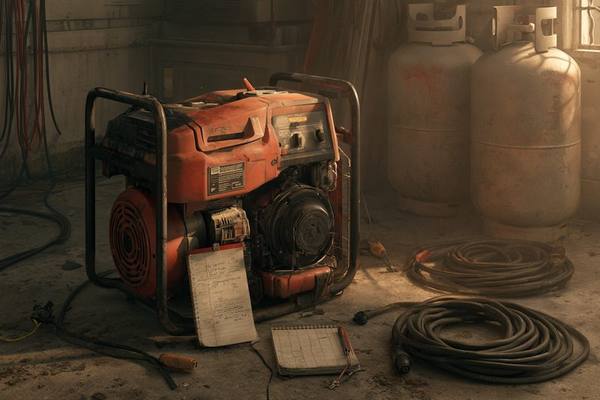
Portable Generators
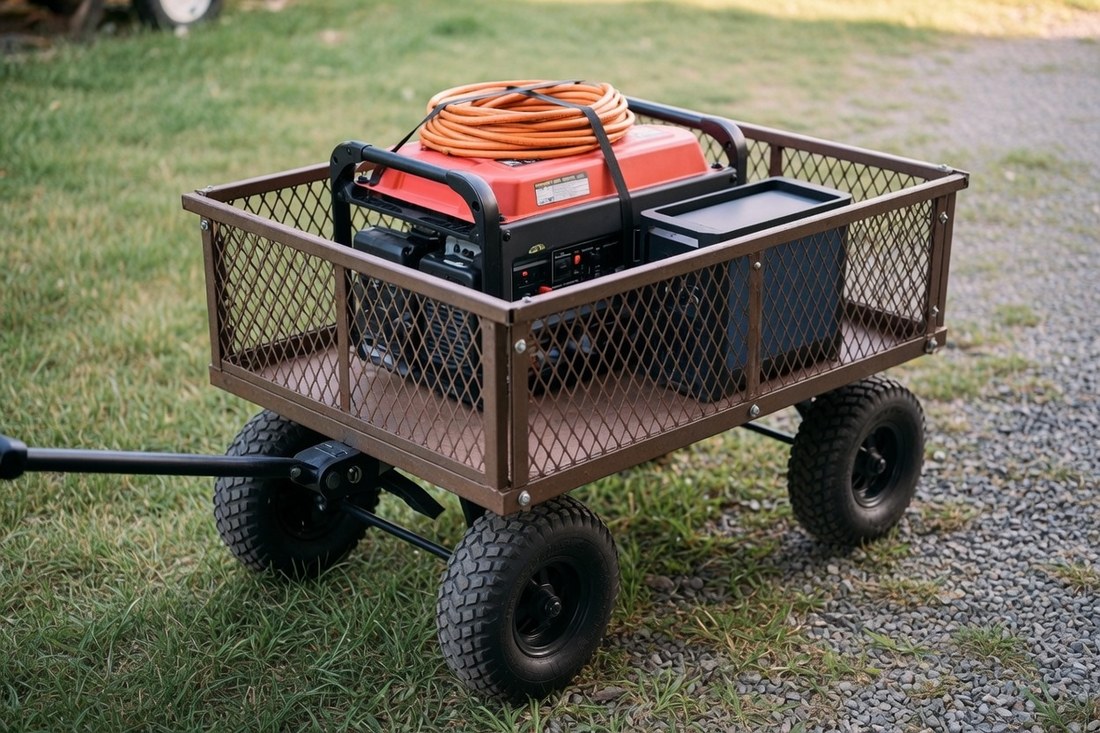
This is the one that keeps the refrigerator cold and a window air conditioner running, which between them is most of what a bad week actually costs a household. It wants fuel stored and somebody willing to go out and start it. $500–$3,000. Ask yourself who is carrying fuel out to it at two in the morning on the fourth night, and buy for that person rather than for the storm. If the machine you want is heavier than the person who will move it, a garden wagon usually settles the argument for about a hundred dollars.
Whole-Home Standby Generators
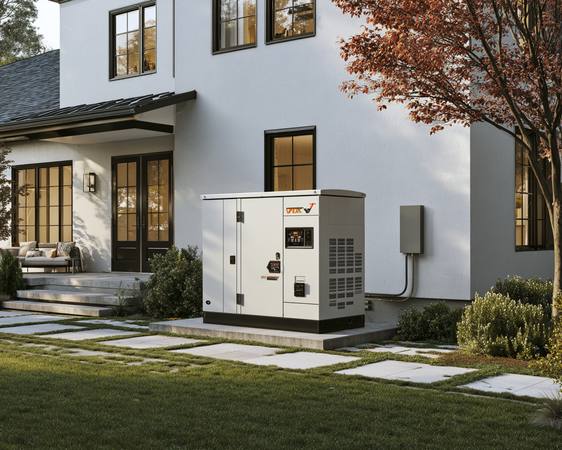
Turns on automatically when power goes out. Powers your entire home including central AC and all medical equipment. Price range $5,000–$20,000 installed. Before you price one, read the AC soft starter guide — a $300 part on your central air can cut the generator size you need, and the price, nearly in half.
Entry Level on Amazon Top-Rated on Amazon
Solar + Battery Systems
No fuel, no noise, and nobody going outside in the rain at all. It runs indefinitely so long as the sun keeps coming up, which in this part of the country it obligingly does. $8,000–$30,000 installed — the largest number on this page, and the only one that also reduces a bill you are already paying.
Portable Solar on Amazon Top-Rated on AmazonWhat I Bought, and Where My Arithmetic Was Wrong
Everything above this is the general case. This part is mine, and I am putting it in because a page full of ranges is easy to write and easy to doubt. So here is one actual purchase, made by one actual person, including the part I got wrong.
I bought two dual-fuel inverter generators, the same model twice. Seven thousand one hundred starting watts apiece on gasoline, five thousand seven hundred running. Three hundred and twenty-two cubic centimetres, a three-and-a-half gallon tank, remote start, and a hundred and thirty-eight pounds each, which is a number that means more to me now than it did when I read it.
I bought two for a specific reason, and I want to be honest that it was the wrong reason. The plan was to couple them together for the morning when the well pump and the whole-house air conditioning decide to start on the same second. That is the moment everybody with a well and a condenser plans around, and I planned around it by buying headroom. Fourteen thousand starting watts, near enough, and let the house ask for whatever it wants.
Then I read the parallel kit’s own specification instead of the box it came in. It puts out 240 volts and nothing else. Both its outlets are 240-volt, and the one that carries no neutral pin tells you what you need to know. Wire that into a house panel and the 120-volt circuits in the building have no neutral behind them — which is the same condition as a broken utility neutral, and it is what cooks televisions and refrigerator boards. So the coupling I paid for is a coupling I will not be using on this house. One machine on its own has a proper 120/240-volt outlet and a selector switch, and that one is clean.
And here is the part I would have done differently. A three-ton condenser asks for somewhere between fourteen and twenty-one thousand watts in the half second it starts. Two machines coupled would have been marginal at best. A soft starter cuts that surge by two-thirds or better, and costs a few hundred dollars fitted. Three or four hundred dollars solves the problem that two thousand dollars of generator does not. I own the generators. I would tell anyone reading this to price the soft starter first.
So the second machine now sits in the garage. Switched off, no fuel in it, waiting. And it turns out that is the better reason to own it — better than the one I bought it for.
After Andrew I learned that generators die, and that when everything around you is broken there is no counter to walk up to and no part on the shelf behind it. That is the thing nobody puts in the sizing charts. The machine is not the scarce article after a bad storm. The six-dollar part is scarce, and the man who would fit it is scarce, and the road he would drive to reach you is somebody else’s problem for a while. A spare engine in the garage is insurance against a supply chain, not against a wattage.
Two things I have had to learn about keeping a spare that way. A machine that has never been run is the machine that will not run. Ten or fifteen minutes every three months, under an actual load rather than idling, and the starting battery stays alive along with everything else. And because it is dual fuel, that spare never needs gasoline at all — a propane cylinder starts it on a carburetor that has stayed clean for years, and gasoline does its damage in the carburetor bowl, sitting still, evaporating, leaving varnish behind.
None of that is a recommendation to go and buy two. It is one man’s receipt, with the mistake left in, which is the only kind worth reading. The battery-and-generator page is where I set out the cheaper arrangement I would build today, and the soft starter has its own page because it is the part that changes every other number here.
🔒 Generator Theft — The Five-Dollar Comeback
Here is the ugly truth about the week after a storm: a running generator announces itself to the whole neighborhood, and generators walk off — chained ones included, sometimes while the family sleeps twenty feet away. Protect yours in three layers, cheapest first:
- Chain and padlock through the frame to a ground anchor, porch post, or tree — not to stop a determined thief, but to make yours the harder, slower, noisier target on the street.
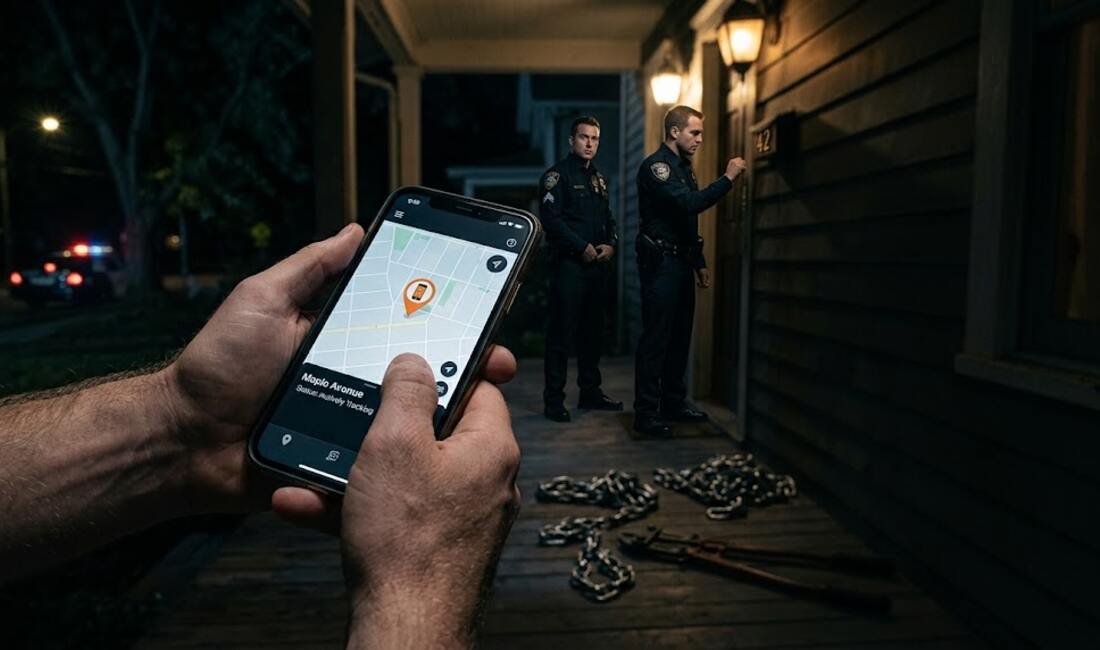
- Hide a coin-size Bluetooth tracker on the machine. Wrap it in a scrap of foam so it does not rattle, and zip-tie it up inside the frame rail, out of sight. Do not open the service panel to do this — there is nothing in there you need, and the capacitors inside can hold a charge long after the engine is off. The frame rail works just as well. Thieves check for chains. Not one of them checks for trackers — and the tracker turns a stolen generator from a loss into an address.
- And the rule that keeps you safe: you never go get it back yourself. The tracker’s map goes to the police, and the police go to the door. A generator is worth a phone call. It is not worth a confrontation — not at any age, and especially not at ours.
🗓️ The Twice-a-Year Backup Power Test — Printable
The FAQ above says it plainly: equipment bought and never tested is equipment that fails the night you need it. This is the 30-minute routine, twice a year — print it, tape it inside the garage door, and do it every first of April and first of October.
❓ What a Generator Will Actually Run — Straight Answers
What will a 3,500-watt generator actually run?
A refrigerator, a freezer, lights, fans, phone and battery charging, a television, and one cooking appliance at a time. That is the honest list, and for most households it is the list that matters. What a 3,500-watt machine will not run is central air conditioning, an electric water heater, an electric range or an electric clothes dryer — those are the four loads that push people into generators costing thousands more than they needed to spend.
Sample arithmetic for a real evening: refrigerator 800 watts, freezer 600, eight LED lights 80, two fans 120, television 100, chargers 50. That is 1,750 watts running, which leaves better than 1,700 watts of room — enough for a 1,500-watt electric skillet to cook supper, or a 1,000-watt pressure cooker, or a window air conditioner, but not two of them at once.
The number that trips people up is surge, not running watts. Anything with a motor — refrigerator, freezer, well pump, air conditioner — asks for two to three times its running watts for a second or two when it starts. Heating elements do not: a skillet, a kettle, a coffee maker and a space heater draw their rated watts and never a penny more. So the sum to do is every running watt added together, plus the single largest surge on top — not all the surges, because motors do not all start at the same instant.
Plan on about eighty percent. A generator run flat out for eight hours a day is a generator that quits on day five, and day five is when you still need it. If the label says 3,500, build your list around 2,800 and keep the rest as headroom for surges and for the machine's own sake. Our generator size calculator does this arithmetic on your own appliance list.
What size generator do I need just to keep the refrigerator running?
Two thousand watts is enough for a refrigerator and lights; 3,000 to 3,500 is enough to add a freezer and stay comfortable. A full-size refrigerator runs at 600 to 800 watts and surges to somewhere between 1,200 and 2,000 for a second or two when the compressor kicks on, so a 2,000-watt machine covers it with room for LED lights and chargers — but very little else.
The number on your own refrigerator is on the plate inside the door or on the back. Read it rather than trusting a chart, because a twenty-year-old side-by-side and a new inverter model can differ by a factor of three. And bear in mind the generator does not need to run day and night to do this job: a few hours in the morning and a few in the evening will hold a full refrigerator and freezer, which is the generator-as-charger routine this site keeps coming back to.
Can you cook on a generator?
Yes, and it is the single best reason to own one after the refrigerator. Not on the electric range — that appliance is why generator quotes come back at eight thousand dollars — but on a countertop appliance that plugs into an ordinary outlet, while the generator itself stays outdoors.
An electric skillet at about 1,500 watts fries and braises and is the easiest place to start. An electric pressure cooker at about 1,000 watts handles beans, roasts and soup, and draws full power only while it is coming up to pressure. An electric kettle covers coffee and hot water in a five-minute burst. A portable induction burner at 1,800 watts stands in for a stove-top burner if your pans are magnetic.
This is not a convenience question. It is the carbon monoxide question. After the four hurricanes that crossed Florida in 2004 the Consumer Product Safety Commission investigated six carbon monoxide deaths in this state and another 167 people treated at Florida hospitals, nearly all of it from generators placed indoors, in garages, or too close to a window. People do not bring fire inside because they are careless. They do it on the fourth day, because they are tired of cold food. A countertop appliance and a generator kept outdoors removes the reason anybody in the house would ever suggest it.
Questions Seniors Ask About Backup Power

Why does this matter specifically for seniors? Because a power outage at 2 AM when you are asleep on a CPAP machine is not the same event it is for a 35-year-old. You will not hear the machine stop. You will not wake up immediately. Your oxygen saturation may drop for hours before you realize the power is out. A portable battery bank bridges that gap automatically — the machine keeps running, you keep sleeping, and you deal with the outage in the morning rather than in a medical emergency at 3 AM. The $200 battery bank is not a luxury. For a senior on sleep apnea treatment, it is the difference between a minor inconvenience and a dangerous night.

Why this matters: untreated sleep apnea is not just uncomfortable — it is dangerous. Each hour your CPAP is off during an outage, your airway is unprotected. For seniors with cardiovascular disease, atrial fibrillation, or high blood pressure, the cardiac stress of repeated desaturation events during sleep can be significant. Your cardiologist or sleep specializt will tell you that missing a night of CPAP treatment is not trivial. A 500Wh battery bank costs roughly $400 to $600 and significantly reduces this risk for most outages. For longer events, a whole-home generator keeps your CPAP running indefinitely. The battery bank handles the nights. The generator handles the weeks.
Always consult your sleep specializt or cardiologist about your specific backup power needs for CPAP therapy. Individual requirements vary based on pressure settings, mask type, humidifier use, and underlying health conditions.
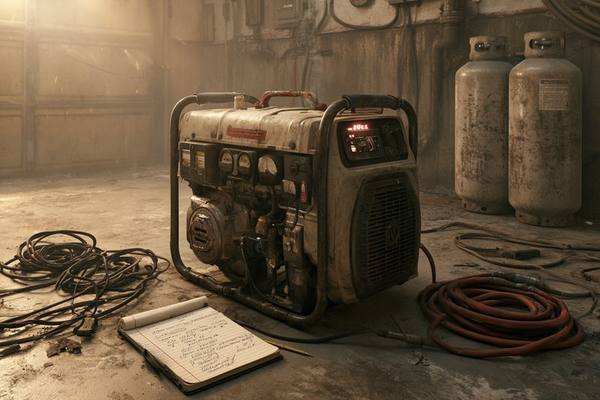
Why propane over gasoline? After a major hurricane or ice storm, gasoline stations lose power too. The lines that do have fuel stretch for hours. People fight. Supplies run out. Gasoline-powered portable generators require you to go out — possibly in dangerous conditions — every 8 to 12 hours to refuel. A buried propane tank on your property requires nothing from you. It is there when you need it, stores indefinitely without degrading, and can be refilled by a delivery truck even during extended grid outages. Propane delivery is classified as an essential service in most states. The buried tank is not about convenience. It is about not having to leave your home to keep your medical equipment running during the worst week of the year.

Why bother looking into these? Because the cost of a whole-home generator installation — typically $8,000 to $15,000 including equipment and labor — is the barrier most seniors cite when they decide not to act. Grant programs, utility subsidies, and financing options can reduce or eliminate that barrier. The Area Agency on Aging in your county is specifically funded to connect seniors with resources like these. A 20-minute phone call can tell you whether programs exist in your area. Many seniors who have generators got them through programs they did not know existed until they asked. The worst outcome of making that call is learning no programs are available. The best outcome is a generator at no cost. Make the call before the storm season starts, not after.
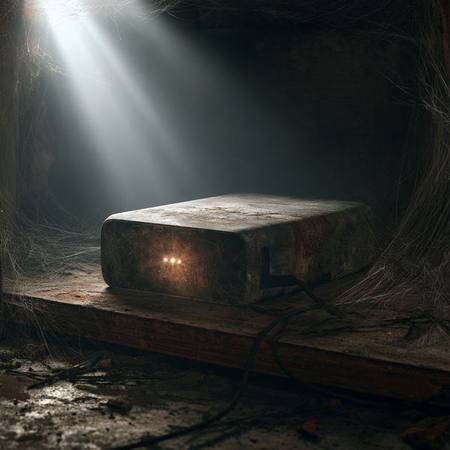
Why does this happen so often? Because backup power equipment exists in a category of things people buy for a future emergency and then mentally file away as "done." The battery bank sits on a shelf in the garage. The portable generator sits in a corner. Two years later, the battery is at 20% capacity and won't hold a charge. The generator has a carburetor clogged with old gasoline. The storm arrives and the equipment fails at the moment it was purchased for. Set a recurring reminder in your phone: first of April and first of October, test every piece of backup equipment you own. Charge the battery banks. Start the generator and run a lamp off it. Confirm your propane level. This 30-minute check twice a year is the entire difference between backup power that works and backup power that fails.
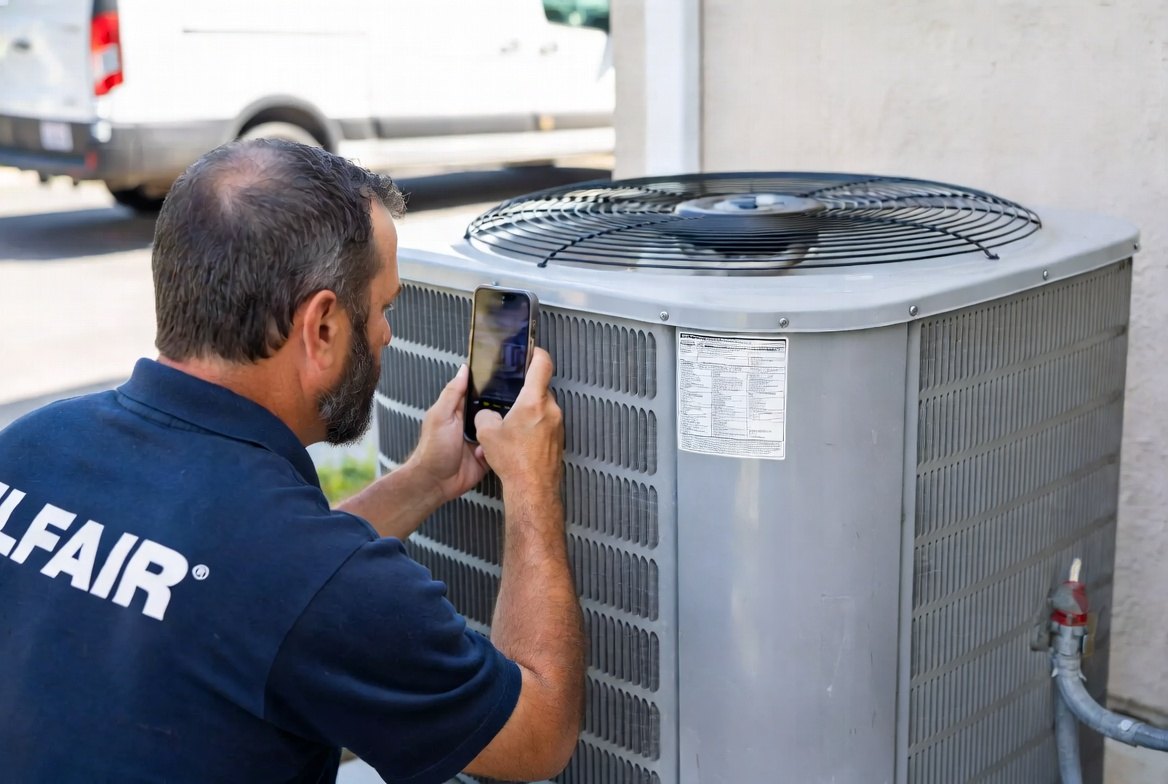
Why this matters before you spend a dime: a roughly $300 device called a soft starter can cut that starting surge by 60% or more, which routinely moves a house from needing a 22–24kW standby generator down to the 10–13kW class. Say it in plain dollars: $300 can save you $8,000 — from one small part almost nobody selling generators will mention. Read the AC data plate and soft starter guide first, then let the generator size calculator turn your plate numbers into a size and a fuel plan.
Stories You Can Learn From
Power outages do not discriminate. They hit the prepared and the unprepared alike. But what happens next — who survives, who thrives, who helps their neighbors and who suffers alone — that part is not random. That part is decided years before the storm arrives.
The stories below are composite narratives drawn from thousands of documented outage events across America. The names are fictional. The situations are real. Some of these stories are heartbreaking. Some are remarkable. All of them contain something you can use — a decision someone made, a tool someone had, a neighbor someone knew, a moment where preparation made the difference between tragedy and survival.
Where relevant each story links to FEMA, the Red Cross, CDC, and other authorities who document these events and offer resources to help. You are never alone in this. But you do need to start before you need to.
She Didn't Just Survive. She Became the Hub.
A retired librarian spent three years quietly getting ready. When the nine-day blackout hit, she kept the insulin cold, reconnected families through Starlink, handed out grape Popsicles to keep the children calm, and turned her driveway into the place her entire neighborhood came back to life.
Fourteen Days Without Power at Age 74
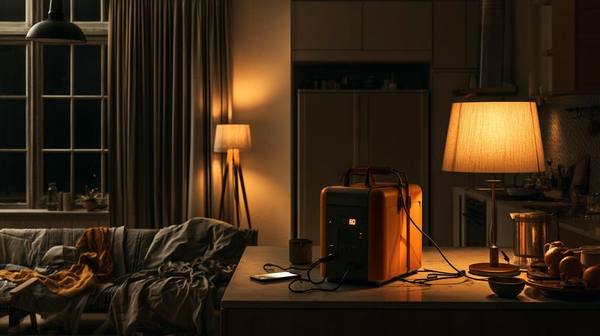
When a February ice storm knocked out power to rural Kentucky for two weeks, one retired couple discovered that their $400 investment in a portable battery station and a hand-crank radio made the difference between managing and a medical emergency.

Her Insulin Was the Only Thing That Mattered
A 68-year-old diabetic in Phoenix lost power during a record heat event in July. She had 36 hours of insulin left and no plan. What happened next changed how her entire assisted living community thinks about medication storage.
The Neighbor Nobody Knew Saved Three Lives
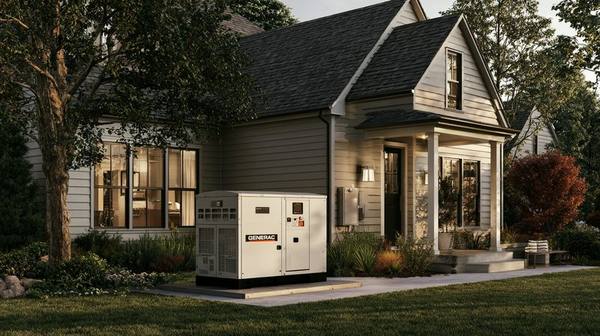
After a tornado took out power to a rural Tennessee community for eleven days, a quiet man three doors down turned out to have a whole-home generator, a nurse wife, and enough stored food to feed eight people. Nobody had known his name before the storm.
⚡ The Rest of the Series
This guide is the machine and the honest sizing. Each of these takes one piece of it further — and the last one is the version where nothing gets bolted to the house at all.