By Franklyn Galusha · Crystal River, FloridaUpdated September 29, 2026
Not a generic list — your list. Tell us your household size, pets, medical needs, and how many days you need to cover. Get a personalized evacuation checklist in 60 seconds.
The plain list
What goes in a go bag?
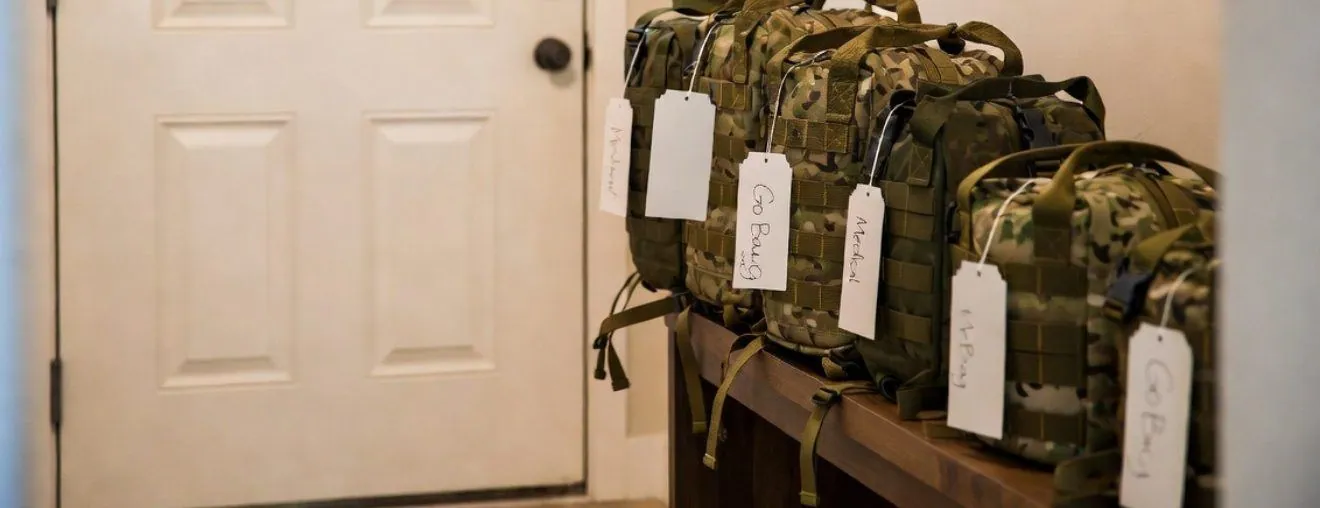
A go bag is what you grab when you have to leave in a hurry. A stay-at-home kit is what gets you through when you stay put. Most people need both, and they are not the same bag.
Here is the go bag for one person for three days. The calculator below rebuilds it for your own household — more people, pets, more days, and the medical equipment the generic lists forget.
Water: 3 gallons (a gallon a person a day), or a water filter and purification tablets.
Food: 9 meals that need no cooking — cans with pull-tab lids, peanut butter, crackers, dried fruit — and a manual can opener.
Medicine: at least a 3-day supply of every prescription, a written list of your medications and doses with your prescribers’ phone numbers, glasses, hearing-aid batteries, and a first aid kit.
Papers, in a waterproof pouch: copies of your photo ID, Medicare and insurance cards, your emergency contacts written on paper, and some cash in small bills.
Light and power: a flashlight, spare batteries, a battery or hand-crank radio, and a phone charger that does not need the wall.
Being found: a whistle on your keyring and a reflective vest.
Clothing: sturdy closed-toe shoes, a rain poncho, a warm layer, and an emergency blanket.
Keep it light enough to carry — for most older adults that means 15 to 25 pounds, or a bag with wheels. A CPAP, insulin, oxygen or a walker each changes the list; tick them in the calculator.
Answer the questions below. We'll generate a personalized go-bag checklist sized for your specific household — with weight estimates and cost guidance.
Planning guide only. This checklist is a starting point based on FEMA and Red Cross guidelines adapted for senior households. Adjust based on your specific medical needs, regional climate, and personal circumstances. Consult your physician regarding any medical equipment or medication storage needs for evacuation.
Common Questions
How heavy should a go-bag be?
FEMA recommends a go-bag weigh no more than 25% of your body weight. For most seniors, that means 15–25 lbs maximum. Prioritize the essentials — medications, documents, water, and a 3-day food supply — over comfort items. Use a wheeled bag if carrying weight is difficult.
What documents should I include in my go-bag?
Include copies of: photo ID, passport, Social Security card, Medicare/Medicaid cards, insurance cards, medication list with doses, doctor's contact information, bank account information, property deeds or lease, and emergency contacts. Store in a waterproof bag or pouch inside your go-bag.
How do I evacuate with a CPAP machine?
Most modern CPAP machines weigh 1–3 lbs and travel well. Pack the machine, power cord, a travel-size distilled water supply (or go without humidification for short trips), extra filters, and your prescription information. A battery backup unit for your CPAP adds weight but provides 1–3 nights of operation without power.
Where should I store my go-bag?
Store your go-bag near your primary exit — hall closet, garage, or bedroom closet. It should be accessible within 2 minutes. Review and restock every 6 months: replace expired food and medications, update documents, and check battery-powered items. Put a calendar reminder in your phone.
🛻 Don’t forget the car. A go-bag rides with you; a car kit lives behind the seat. The jump starter, wool blanket, headlamp, and reflective tape that turn a breakdown into an inconvenience. See What Grandpa Kept in the Truck →
What This One Buys You
A packed bag instead of a frantic hour.
The list is made calmly, once; the day you need it, nobody is thinking clearly, and the version of you who was having a good afternoon has already done the work.
General Awareness Notice: This checklist generator provides planning guidance based on FEMA and Red Cross recommendations adapted for senior households. It does not constitute emergency management advice. Adjust recommendations based on your specific health conditions, regional climate, and local emergency management guidance. Consult your physician regarding any medical equipment or medication needs during evacuation.
In any emergency, follow official guidance from FEMA Ready.gov and your local emergency management authority. Franklyns Bay LLC assumes no liability for decisions made based on this tool. Nothing on this page is legal advice. None of it was written by an attorney, and it is not a substitute for speaking to one about your own situation.Full disclaimer →