🎯 You Are Not Just Eligible. You Are First in Line.
First, what this page is. A plain account of the federal and state programs that pay your power bill, insulate your house, and stop your service being cut off — who qualifies, what they actually pay, and the two traps that catch people who think they are safe. Nobody here is a benefits counselor and this is not advice about your money. Every figure is dated and linked. All of it moves, and some of it is under threat right now, so check the source before you act.
Most people over sixty-five have never heard of the two biggest programs on this page, and the ones who have heard of them assume they earn too much, or that it is charity, or that somebody worse off should have it.
Here is the actual rule, written by the Department of Energy: priority is given to the elderly, families with one or more members with a disability, families with children, high-energy users, or households with a high energy burden.
Read that again. You are not at the back of a queue hoping there is something left. Being older puts you at the front of it by federal rule — and many local agencies keep a separate list for applicants sixty and over. The people who quietly decide not to apply because somebody needs it more are declining a place that was written into the program with them in mind.
There are two separate programs and people confuse them constantly, so get this straight before anything else. One pays your bill. The other fixes your house so the bill is smaller forever. They are run by different federal departments, they have separate applications, and you can have both.
💰 LIHEAP — The One That Pays the Bill
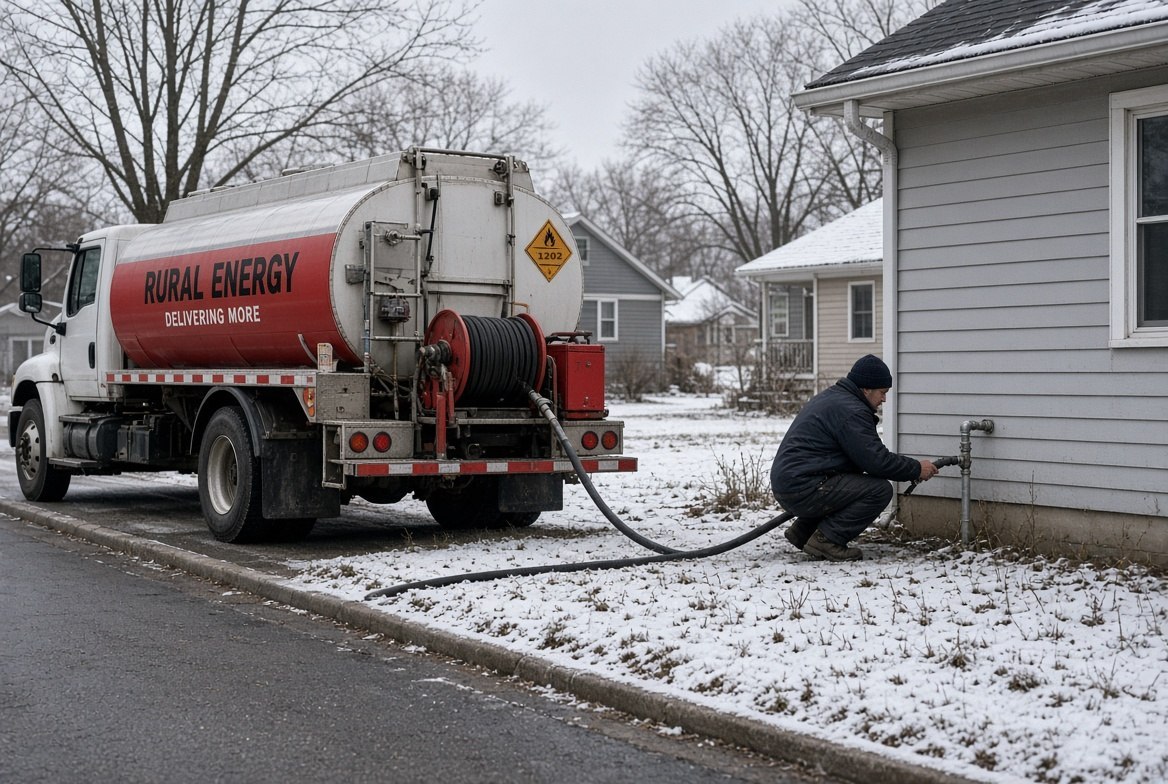
The Low Income Home Energy Assistance Program is Health and Human Services money, sent to your state, handed out by a local agency. It pays toward heating and cooling. Most states run a regular seasonal benefit and a separate crisis benefit for when you are about to be shut off or have already run out of fuel.
The crisis half is the part to remember, because it moves faster than the regular application and it is what you ring about when there is a notice on the table.
Is it actually funded?
Yes, for now, and the story is worth knowing because it tells you how firmly to hold any of this.
The remaining ten percent of FY2026 funds was disbursed in April 2026 after multiple delays, and as of then all FY2026 LIHEAP money had been released, following the release of roughly $421.5 million by the HHS Office of Community Services.
And the reason to apply this year rather than think about it. The administration proposed eliminating LIHEAP entirely; Congress refused and funded it instead. Elimination has been proposed again for FY2027. The money is in your state’s hands right now. It is not guaranteed to be there next winter, and most states stop taking applications when their allocation runs out regardless of the season. Early in the program year beats late every single time.
Every state sets its own income test, its own opening and closing dates and its own benefit amounts. The LIHEAP Clearinghouse, run by the HHS Administration for Children and Families, keeps a state-by-state profile with program dates, income eligibility, benefit levels and the utility programs in each state. That is the one place to look up your own state rather than trusting a national number.
🏠 Weatherization — The One Nobody Has Heard Of
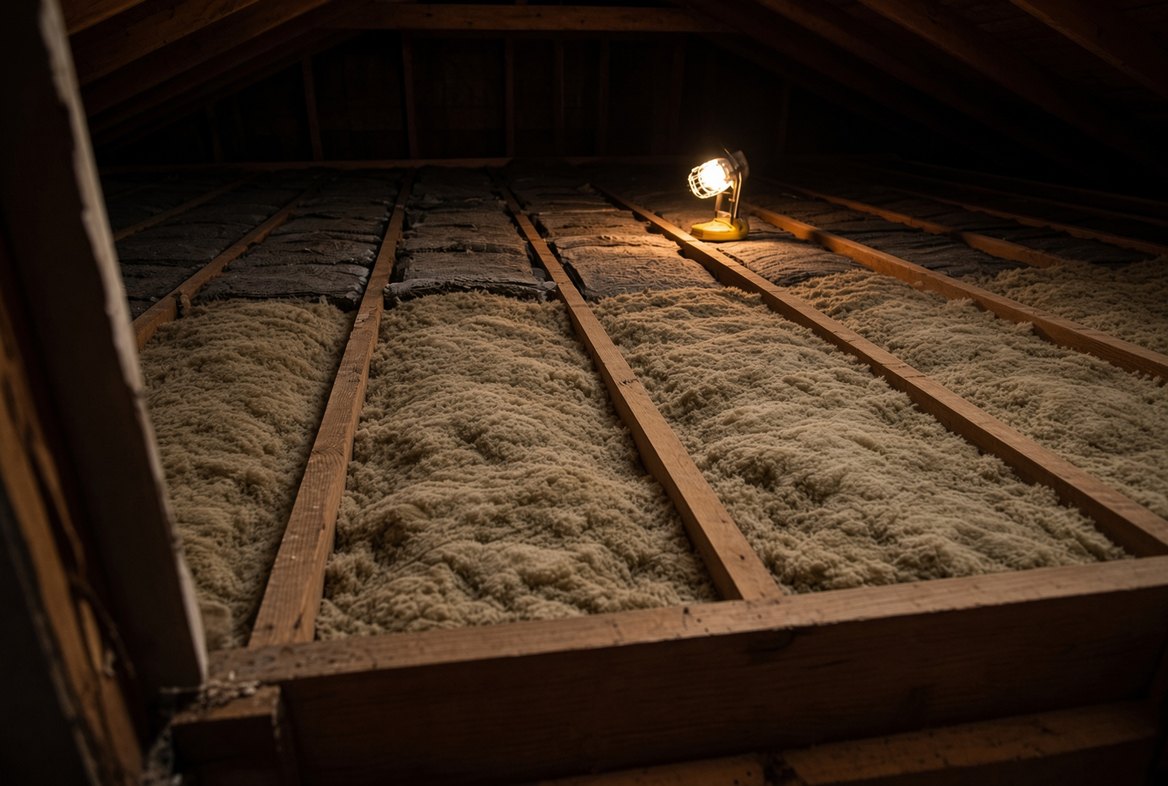
This is the bigger prize and it is close to invisible. The Weatherization Assistance Program is Department of Energy money. It does not help with your bill. It sends people to your house to fix the reasons the bill is high, and you do not pay them.
An energy audit first, then the work: attic, wall and floor insulation, air sealing, duct sealing, and health and safety measures. With a budget of $329 million in fiscal year 2026, it provides an average subsidy of about $6,500 per housing unit for a broad set of upgrades — including heating and cooling system replacement.
Read that last part slowly. A furnace or an air conditioner, replaced, at no cost to you. Not a discount, not a loan, not a rebate you claim back next April. The single most expensive thing that can fail in an older person’s house is on the list of what this program will do.
It is not a large program by federal standards — DOE puts it at roughly 32,000 homes a year with DOE funds, saving households an average of $372 or more every year, and more than 7.2 million families served since 1976. Waiting lists are normal and can run months. That is an argument for applying now rather than an argument against applying.
Who qualifies
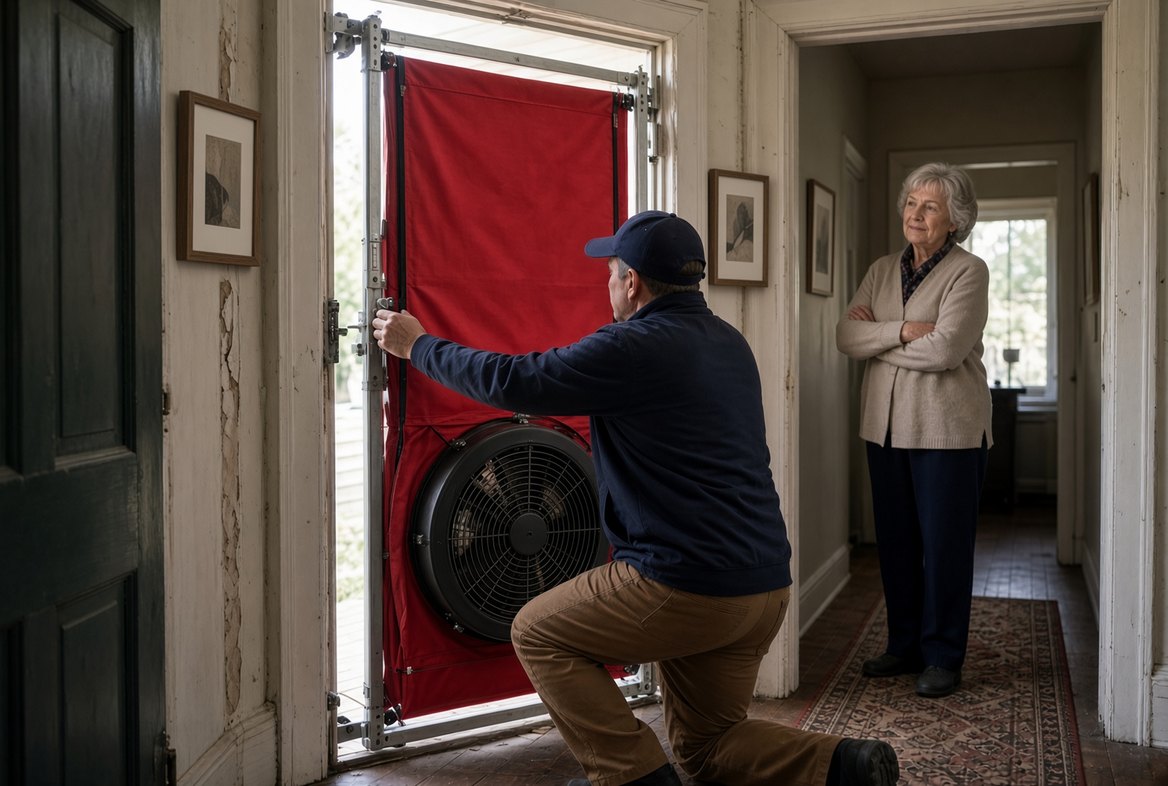
Two things there that people miss. Drawing SSI makes you eligible on its own. And renters qualify — with the landlord’s agreement, which is worth asking for, because the landlord gets a better building out of it for nothing.
🚫 The Deferral Trap — and the Fund Nobody Asks For
Here is where this goes wrong for exactly the people who need it most, and almost nobody writes it down.
Weatherization will not insulate an attic under a leaking roof. If the house has a defect that would spoil the work or endanger the crew, the job is deferred — postponed until the defect is fixed. Which, for somebody who cannot fund a roof repair, is a refusal wearing a politer word.
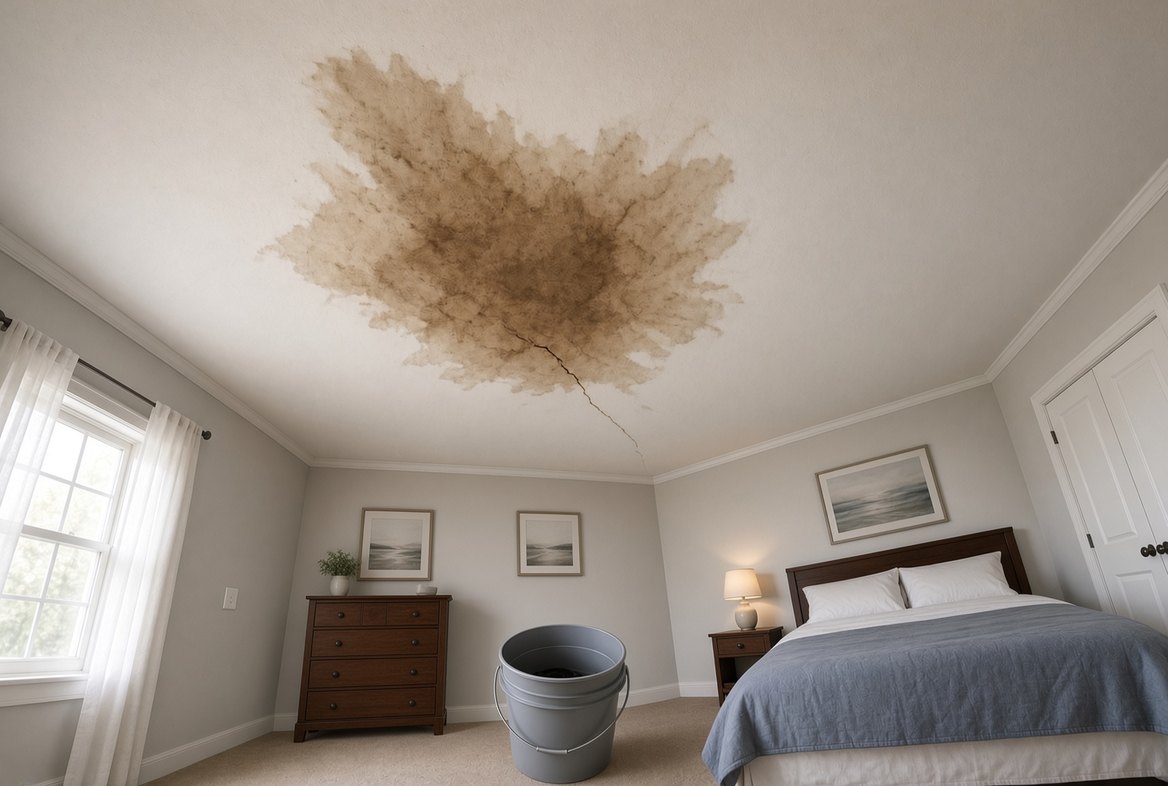
It is common. Deferral rates over 10% among applicants are not uncommon and sometimes reach 20%, with structural problems, mold, and moisture or standing water the most commonly reported reasons. Research by ACEEE found roof leaks or damage the most frequent preventable cause, at an estimated median 45% of deferred homes, followed by floor damage and unsafe or outdated electrical panels at about 23% each.
And here is the answer, which is the single most useful sentence on this page. There is money specifically for fixing the thing that got you deferred. The FY2026 budget includes $30 million for weatherization readiness, and many states run their own deferral-repair programs on top of it — Virginia’s Weatherization Deferral Repair program funds the repairs that caused a home to be deferred, so the house can then receive the weatherization measures.
If you are told you are deferred, do not hang up. Ask this: “Is there weatherization readiness or deferral repair funding available for this?” It is not always offered. It has to be asked for.
One condition worth knowing in advance, because Virginia states it plainly and other states run it the same way: households may not receive the repairs without agreeing to also receive the weatherization services. The repair is not a free roof. It is the price of admission to the insulation, and it is a fair trade.
It works, too. About 60% of initially deferred homes were repaired and eventually served — the other 40% could not be made ready. Being deferred is a delay far more often than it is an ending, and the households that get through are usually the ones who asked the next question.
❄️ The Winter Trapdoor
Most states restrict utilities from disconnecting service in cold weather. It is a genuine protection and it saves lives. It is also the most misunderstood thing in this entire subject, and misunderstanding it is how people lose their heat in April.
The federal clearinghouse states it plainly: utilities continue to bill customers for usage during periods when disconnections are restricted, and disconnection prevention policies do not reduce a customer’s past due arrearages. These policies do not prevent later disconnection once the restrictions no longer apply and a past due amount remains.

So picture the winter honestly. December arrives, the moratorium starts, the notices stop, and the pressure comes off. The meter keeps turning. The bills keep arriving and keep going unpaid, because the immediate threat has gone. Then the moratorium lifts in the spring — and four or five months of accumulated debt lands at once, with the disconnection notice on top of it.
The moratorium is not a holiday from the bill. It is a window to fix the bill in. That is what the months are for: apply for LIHEAP, get on a payment plan, ask about the forgiveness programs below, get the weatherization application in. A person who uses the protected months does not meet the spring. A person who relaxes in them meets all of it in one envelope.
✅ The Programs That Actually Cut the Bill
Budget billing gets recommended everywhere, and it is the weakest thing on this page. It smooths what you pay across the year. It does not reduce it by a dollar. Take it if you want the predictability. Do not mistake it for help.
These two are the real money, and they are buried on nearly every site that covers this subject.
Percentage-of-income payment plans
Instead of billing you what you used, the utility bills you a fixed share of your income, and the difference is covered. Several states run them, some at every regulated utility. They are administered through the state and usually reached through the same agency that takes your LIHEAP application — which is why you ask about them in the same phone call.
Arrearage forgiveness — old debt written off
If you are already behind, this is the one to ask about by name. California’s is the clearest example of the design: under the Arrearage Management Plan, eligible customers who make twelve full monthly payments on time qualify for up to $8,000 in debt forgiveness — a twelfth of the past-due balance forgiven for each on-time payment of the current bill.
Look at what that actually does. You pay only your current bill, every month, on time. The old debt is frozen and shrinks by a twelfth each time you do. After a year it is gone. In California the plan is open to customers on the state’s discount rates with a balance of $500 or more, part of it more than 90 days past due.
Not every state has one and the rules differ everywhere. The question to ask your own utility is: “Do you have an arrearage management or debt forgiveness program, and a percentage-of-income plan?” Ask the utility directly and ask the state commission if the utility says no.
🏥 Medical Certificates — the Year-Round Protection
The cold-weather rules only run in winter. A medical certificate works whenever you need it.
The shape is the same nearly everywhere: a doctor, nurse practitioner or other qualified professional certifies that losing service would be dangerous to someone in the household, and the utility must postpone the disconnection. If anyone in the house depends on powered equipment — oxygen, a nebuliser, a CPAP, refrigerated medication, a powered chair — this is yours and you should have the paperwork before you need it.
Two honest limits. The postponement is short and the length varies enormously by state — some measure it in days, others in weeks, and most can be renewed. And like the winter rules, it stops the disconnection, not the bill. It buys you time to use the programs above, which is exactly what it is for.
While you are at it, ask your utility to put you on its medical baseline or critical-care register if it has one. That is a separate thing: extra allowance at the lowest rate in some states, and advance warning of planned outages in most.
📞 The Four Calls, in Order
1. Your local LIHEAP agency — the regular benefit, and the crisis benefit if there is a notice on the table. Find it through the LIHEAP Clearinghouse state profile, or by dialling 2-1-1. Ask in the same call whether they run weatherization, because in many counties it is the same agency.
2. Weatherization — get the application in even if there is a waiting list, because the list only moves for people on it. DOE’s how-to-apply page maps to your state, territory or tribe.
3. Your utility, and ask three things by name: an arrearage or debt forgiveness program, a percentage-of-income plan, and their own hardship fund. Utilities run assistance funds of their own that are advertised almost nowhere.
4. Your state public utility commission if the utility gives you an answer that does not sound right, or disconnects you in a way the rules do not allow.
And one more, standing behind all four: your Area Agency on Aging, through the Eldercare Locator on 1-800-677-1116. They know which local outfit actually runs each of these in your county, which is the part no national page can tell you.
📋 Why This One Is on the Fifty List
The weatherization argument is the buy-it-at-50 argument almost exactly, except somebody else is paying.
And while you are waiting on a programme, the version you can do yourself this week is insulating the windows — a quarter to a third of the bill leaves through the glass.
The insulation and the sealing you get at sixty keep paying every single month for the rest of your life in that house. The furnace replaced at sixty-two is the furnace that does not fail at seventy-nine in January, when you are least able to argue with a contractor and most likely to sign whatever is put in front of you. The same job done as an emergency costs several thousand dollars and a great deal of your dignity. Done as a program, it costs a form and a wait.
And there is a second, harder reason not to leave it. The list of things that get a house deferred is a list of things that get worse. A roof that needs a repair at sixty-two needs a replacement at seventy. A little damp becomes mold. The house that qualifies for help today can quietly stop qualifying, and the deferral rate is the sound of that happening to other people.
The one thing to take away, if you take nothing else. Being over sixty-five does not put you at the back of the queue for any of this. The federal rule puts you at the front of it. The money exists, it is allocated, it is sitting in your state right now, and the most common reason it goes unspent on a household like yours is that nobody in that household ever picked up the telephone.
📚 Where These Numbers Come From — and When
Everything on this page was verified on 9 August 2026 and some of it is under active threat. LIHEAP faces a proposed elimination for FY2027. Funding levels, program dates, income tests and state programs all change, several of them annually. Check the source before you act on any figure here.
- Weatherization eligibility, priority groups and how to apply — U.S. Department of Energy.
- LIHEAP funding, disconnection policy and state-by-state profiles — The LIHEAP Clearinghouse, HHS Administration for Children and Families.
- FY2026 funding levels and the FY2027 proposal — American Public Power Association and Utility Dive.
- Deferral rates and causes — American Council for an Energy-Efficient Economy and Just Solutions.
- Deferral repair — Virginia Department of Housing and Community Development, as one state example of many.
- Arrearage forgiveness — PG&E and Southern California Edison, describing California’s CPUC-ordered program.
The full arithmetic this page sits inside — what the check pays against what the month costs — is on Surviving on Social Security.
❓ Plain Answers
The short version of this page, one question at a time — the answer is always the first line.
What is LIHEAP?
LIHEAP, the Low Income Home Energy Assistance Program, is federal money handed out by a local agency that pays toward heating and cooling bills. Most states also run a separate crisis benefit for when you are about to be shut off. Dial 2-1-1 to find your local agency.
Can the government replace my furnace for free?
The Weatherization Assistance Program can replace a heating and cooling system at no cost to households that qualify, along with insulation, air sealing and duct sealing. It provides an average subsidy of about $6,500 per housing unit, and waiting lists can run months.
Who qualifies for weatherization assistance?
Households at or below 200% of the poverty income guidelines, or that receive Supplemental Security Income, are eligible for weatherization under Department of Energy guidelines. Both homeowners and renters can apply, and older households are given priority by federal rule.
Can my power be shut off in the winter?
Most states restrict utilities from disconnecting service in cold weather, but the bills keep coming and an unpaid balance can still lead to a shutoff once the restrictions lift. Use those months to apply for LIHEAP, get on a payment plan and ask about debt forgiveness.
What is a medical certificate for a utility shutoff?
A medical certificate is a statement from a doctor, nurse practitioner or other qualified professional that losing service would be dangerous, and the utility must then postpone the disconnection. The postponement is short, varies by state, and stops the disconnection, not the bill.
What if my house is turned down for weatherization because of a leaking roof?
If your home is deferred from weatherization because of a leaking roof, ask whether weatherization readiness or deferral repair funding is available to fix it. The FY2026 budget includes $30 million for weatherization readiness, but it has to be asked for.