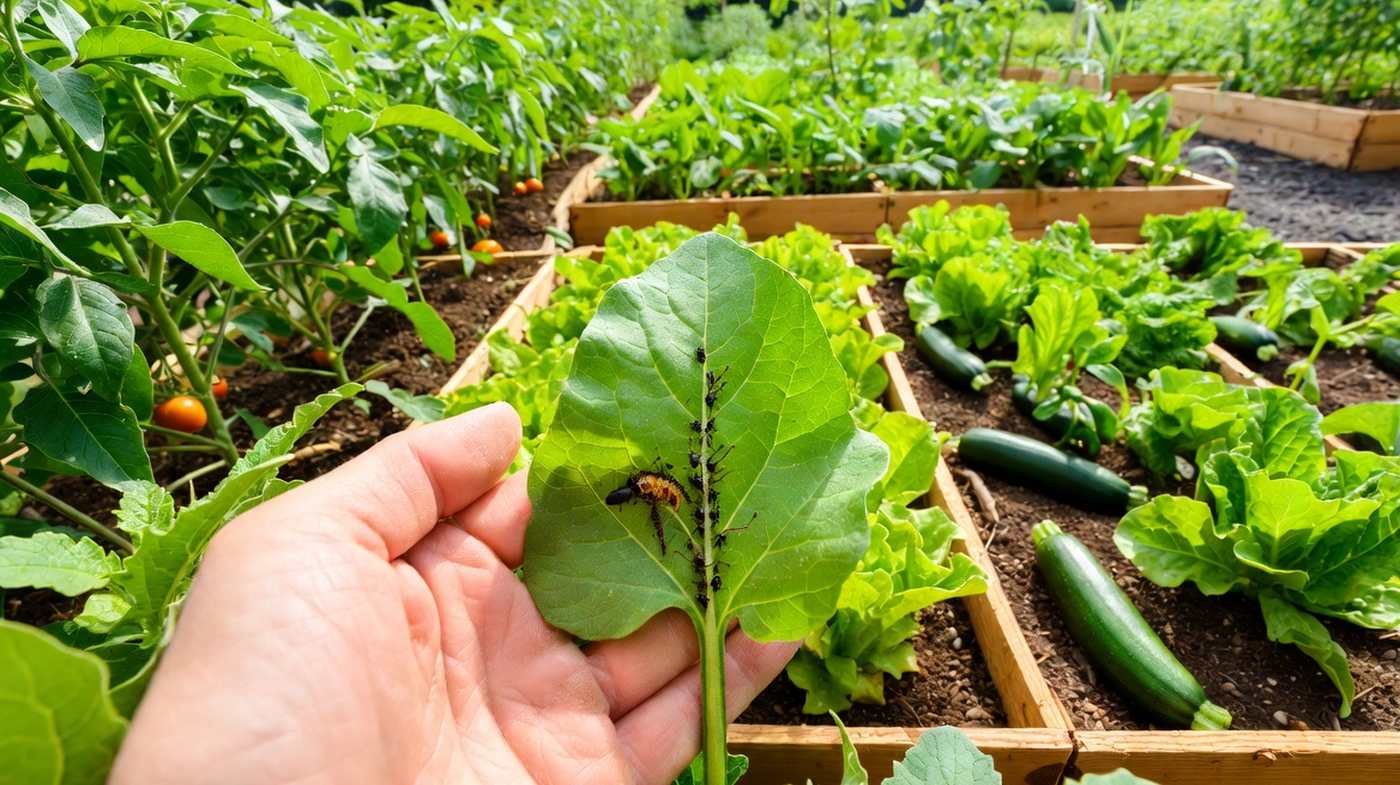

💊 Why This Matters More When You’re on Medications
Most people think about avoiding garden chemicals for environmental reasons — protecting bees, keeping residue off food, not harming birds. Those are real. But for adults on multiple prescription medications, there’s a more immediate personal reason.
⚠️ What the National Pesticide Information Center (Oregon State University) says about older adults and pesticides:
 The liver and kidneys that remove prescription drugs from the body also remove pesticides. If those organs are already processing multiple medications, their capacity to clear pesticide exposure is reduced. Chemicals stay in older adults’ bodies longer than in younger adults. The more medications you take, the higher the risk that a pesticide entering your body will interact with those drugs in ways that are difficult to predict. If you have specific concerns about pesticide exposure given your current medications, speak with your pharmacist — this is exactly the kind of question they are trained to answer.
This is not a theoretical risk. It’s the reason the NPIC published a specific fact sheet on this topic. The practical takeaway is simple: if you have a garden and you’re on multiple prescriptions, non-toxic pest control isn’t just a preference — it’s the sensible choice for your own health.
There’s also this: chemical pesticides kill beneficial insects along with the harmful ones. Ladybugs, lacewings, ground beetles, parasitic wasps, and predatory mites are all doing pest control work for free, all season long. Broad-spectrum insecticides eliminate your unpaid workforce. The bad insects, which typically have shorter life cycles, rebound faster than the beneficial ones. You end up with more pest pressure, not less, after a spray cycle — and you’ve eliminated the biological controls that would have managed the problem naturally.
🌱 Start Where Pest Control Actually Starts — the Soil
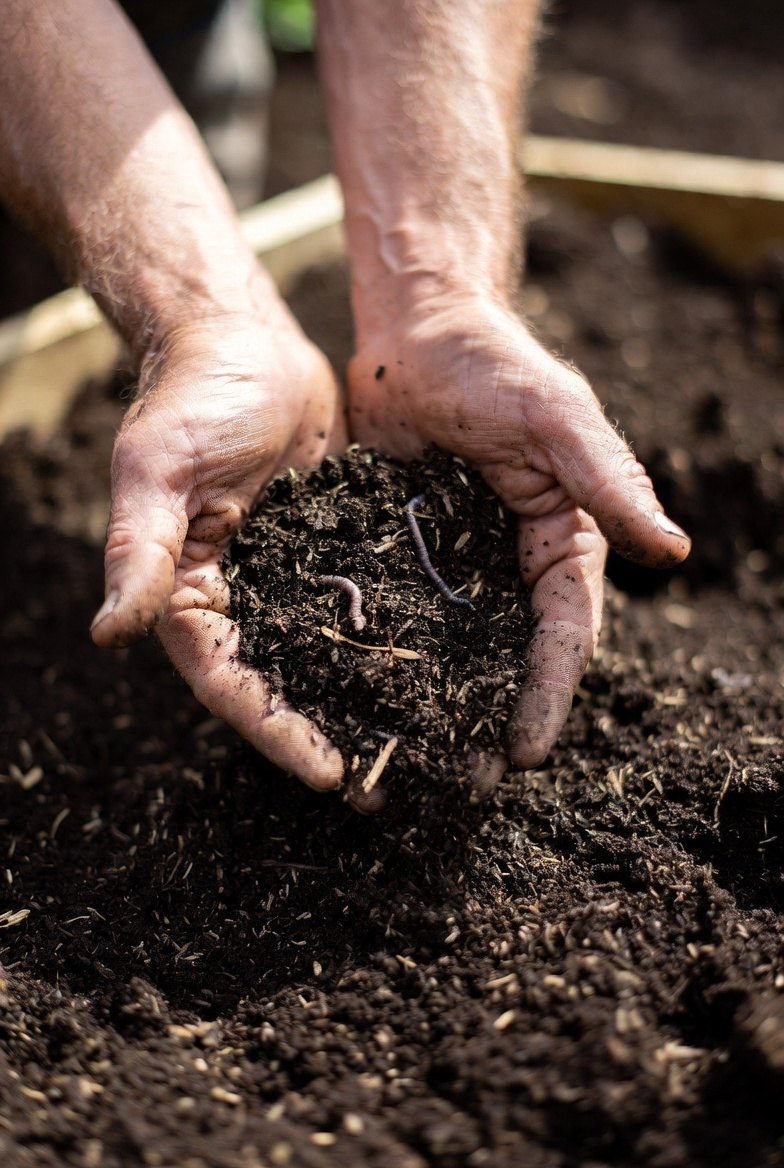
The single most effective long-term pest control strategy isn’t a spray or a barrier. It’s healthy soil. Strong, well-nourished plants have thicker cell walls and stronger immune responses. Pests are opportunists — they preferentially attack weak, stressed plants. A plant growing in living, biologically active soil is simply a harder target than one growing in depleted ground.
- Add compost every year. 3 to 4 inches for new beds; 1 inch as a top dressing for established beds. Compost feeds soil biology, which feeds plants, which resist pests.
- Rotate crops. Don’t plant the same family in the same spot two years in a row. Many pests overwinter in soil near their preferred host plant. Rotation breaks that cycle. Tomatoes after potatoes is a bad rotation — same nightshade family, same pests. Tomatoes after beans is good.
- Remove diseased plants immediately. A plant showing signs of disease or heavy infestation that can’t be saved is a reservoir that spreads the problem. Pull it and dispose of it away from the garden — not in the compost pile.
- Inspect regularly. Early detection is worth more than any treatment. A single aphid colony found when there are 20 aphids is trivial to handle. The same colony found when there are 20,000 is a project. Walk your beds every 2 to 3 days, turn over leaves, check stems, look at the soil surface.
- Weed consistently. Weeds host pests and provide bridges into your crops. This is especially important for aphids, which move freely between wild plants and cultivated ones.
🌻 Companion Planting — Plants That Protect Other Plants
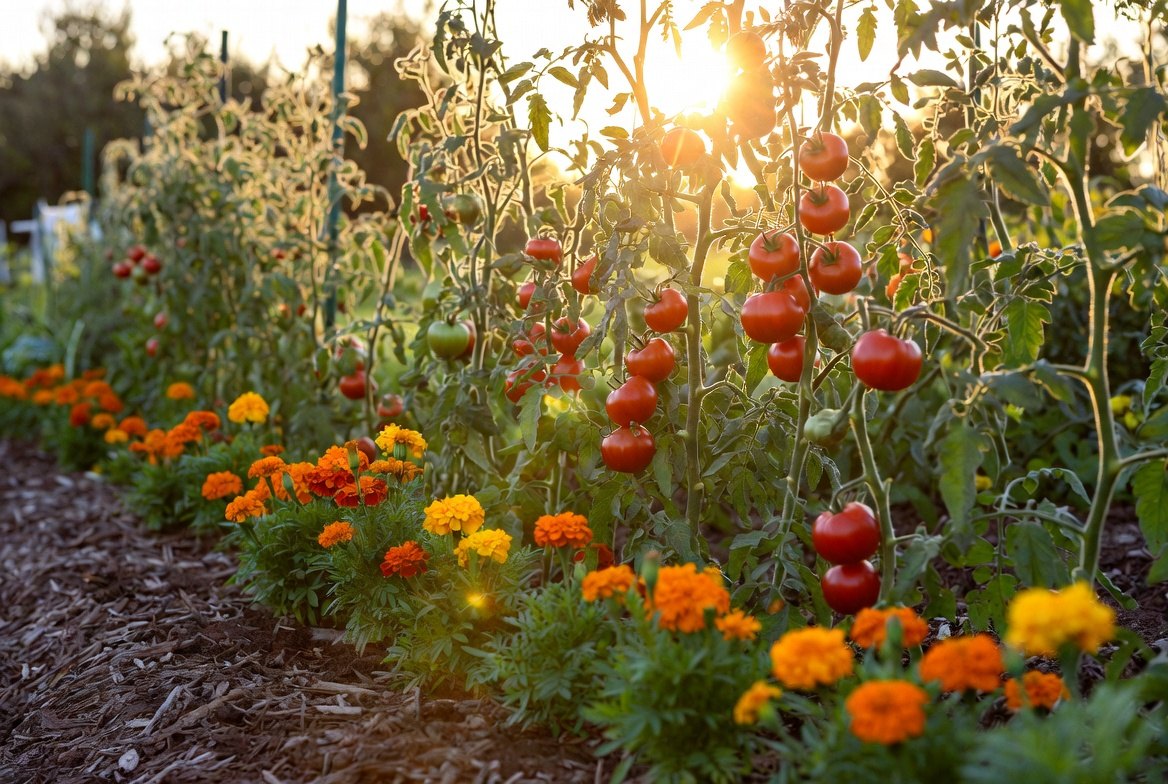
Certain plants release chemical compounds that repel specific pests or attract the predatory insects that eat them. Companion planting is not folklore — there is genuine science behind several pairings, and Extension offices recommend it consistently. The key is planting companions before pest pressure arrives, not after.
💐 Marigolds
Plant thickly around tomatoes, potatoes, and beans. Marigolds deter root-knot nematodes in the soil and repel aphids above ground. French marigolds (Tagetes patula) are more effective than African marigolds for nematode control. Also attracts beneficial predatory insects.
🌿 Basil
Plant at the base of tomatoes — 1 plant per 2 tomato plants. Basil’s volatile oils confuse and repel whiteflies, aphids, and tomato hornworm moths, which use smell to locate host plants. NC State Extension includes basil in companion planting recommendations for tomatoes.
🌼 Nasturtiums
A classic trap crop for aphids. Plant around and between vegetables — aphids find nasturtiums irresistible and preferentially colonize them, leaving your food crops alone. Check nasturtiums regularly; blast them with water or treat them while leaving the crop plants undisturbed.
🌾 Dill & Fennel
Allow a few plants to flower. Both are powerful beneficial-insect attractors — the umbrella-shaped flower clusters (umbels) host ladybugs, lacewings, parasitic wasps, and hoverflies that feed on aphids, caterpillars, and other pests. Do not plant dill near carrots (same family; they’ll cross-pollinate).
🧄 Garlic & Chives
Plant clumps near roses, fruit trees, and any crops prone to aphids. Alliums release sulfur compounds that repel aphids, Japanese beetles, and other insects. Chives near carrots also helps deter carrot fly.
🌿 Mint (Container Only)
Mint repels ants, aphids, and flea beetles. Keep it in a container near the garden — mint spreads aggressively in open ground. The scent alone is effective; you don’t need to plant it in the bed.
✅ Trap crops — a technique worth knowing: Mississippi State Extension recommends planting trap crops specifically to pull pests away from your main crop. Southern peas planted near tomatoes attract stink bugs away from the tomatoes. Sunflowers near beans attract leaffooted bugs. Blue Hubbard squash is a classic trap for squash vine borers and squash bugs — the pests pile onto it and leave other squash varieties alone. You then deal with the trap crop only, leaving everything else undisturbed.
🌸 Flowers That Fight Pests — The Complete List
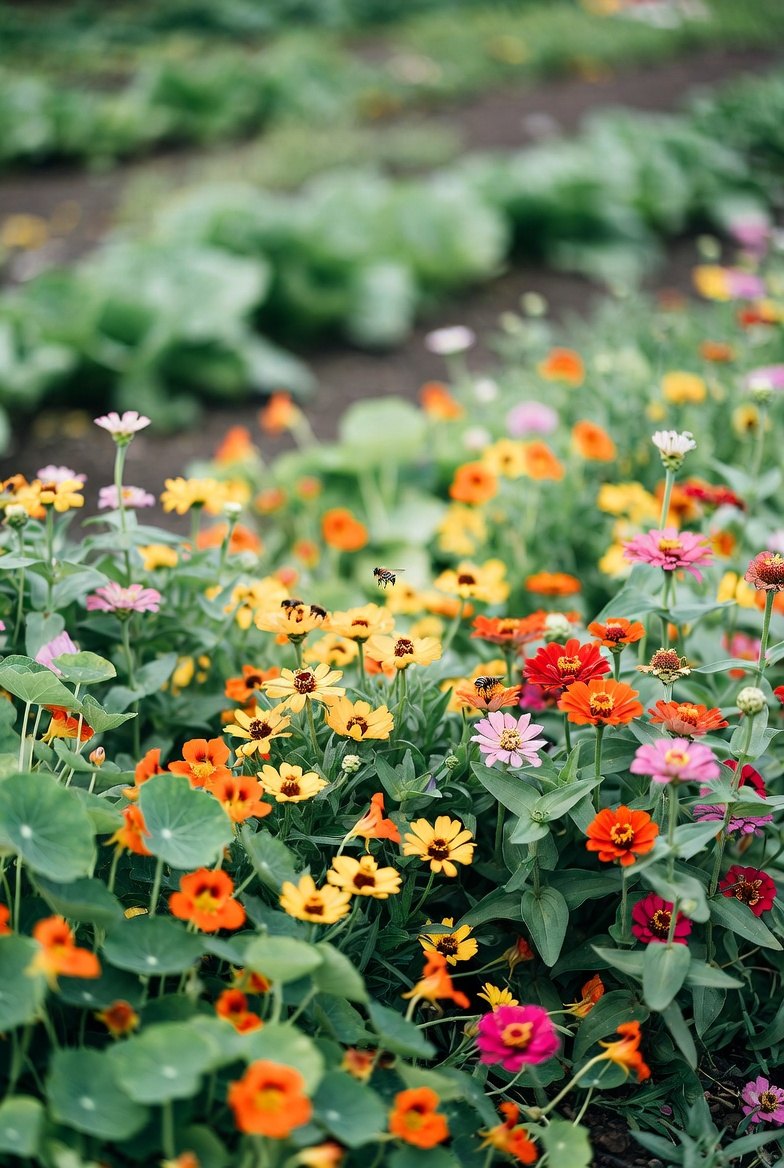
A vegetable garden full of flowering plants is not decorative fluff — it’s a working pest management system. Certain flowers release chemicals that pests avoid. Others host sticky substances that physically trap insects. Many attract the predatory insects — ladybugs, lacewings, hoverflies, parasitic wasps — that do continuous pest control all season for free. Plant a diverse border and your garden becomes self-defending.
🌼 Calendula (Pot Marigold)
One of the best garden flowers for pest control. Calendula’s stems and leaves exude a sticky substance that physically traps aphids and thrips — they land on it and can’t escape. Also repels asparagus beetles and tomato hornworms, and attracts lacewings, hoverflies, and ladybugs. Fully edible flowers. Self-seeds readily for a returning supply each year.
🌺 Borage
Star-shaped blue flowers that bees absolutely love. Specifically repels tomato hornworms and cabbage worms — plant near tomatoes, squash, and cabbage family crops. Adds trace minerals to surrounding soil. Edible flowers with a mild cucumber flavor. Self-seeds aggressively — pull what you don’t want, or it will spread.
💫 Sweet Alyssum
Low-growing, honey-scented white or purple flowers that spread into a ground cover. Attracts hoverflies (also called syrphid flies) whose larvae are voracious aphid predators. Sweet alyssum between and around garden beds creates a permanent colony of aphid-eaters. Thrives in cooler weather — good early-season pest control before other flowers establish.
🌸 Lavender
Repels moths, fleas, ticks, and mosquitoes with its essential oils. Plant near cabbage family crops to deter cabbage moths, and near fruit trees to attract pollinators while deterring flying insects. Drought-tolerant once established. Both a powerful perennial pest deterrent and a harvestable herb for drying and cooking.
🌻 Zinnias
Bright, sun-loving annuals that attract ladybugs and parasitic wasps — the two most important natural aphid predators in the garden. Easy from seed, bloom all summer in any color you choose. Plant in blocks near tomatoes and beans for the best effect. Excellent cut flowers so the harvest is double.
🌠 Cosmos
Feathery-leaved annuals with daisy flowers that are particularly attractive to green lacewings, whose larvae are among the most voracious predators of aphids, thrips, and scale. Cosmos also attracts hoverflies. Easy from direct seed, grows quickly, and blooms continuously if deadheaded. Plant in drifts for best effect.
🏵️ Geraniums
Specifically repels Japanese beetles, cabbage worms, corn earworms, and leafhoppers. The scent of geranium foliage — not the flowers — is what deters the insects. Lemon-scented geraniums are particularly effective. Grow in pots near the garden or plant directly in beds near cabbage, corn, and tomatoes.
💐 Chrysanthemums
Chrysanthemums naturally contain pyrethrin — the same compound used in commercial organic insecticides. Plant near crops prone to spider mites and nematodes. Also repels Japanese beetles, aphids, leafhoppers, and roaches. You can even make a basic pest control tea by steeping chrysanthemum flower heads in water overnight (see home remedies section below).
🌿 Yarrow
Hardy perennial with flat flower heads (umbels) that attract an extraordinary range of beneficial insects: hoverflies, lacewings, ladybugs, parasitic wasps, damselflies, and ground beetles. One established yarrow plant supports a year-round beneficial insect community. Available in white, yellow, pink, and red. Plant once, benefits return indefinitely.
🌸 Petunias
Repel aphids, tomato hornworms, asparagus beetles, and leafhoppers. Particularly useful near tomatoes and beans. The sticky foliage physically catches small insects similar to calendula. Easy annual available anywhere; plant as a border or tuck into vegetable beds. The “Wave” spreading varieties make effective ground cover between larger plants.
🌼 Sunflowers
Tall sunflowers work as a trap crop for leaffooted bugs and stink bugs — Mississippi State Extension specifically recommends them for this. Plant a sunflower border and the bugs congregate there rather than on beans and tomatoes. Sunflowers also provide nectar and pollen for a wide range of beneficial insects during their long bloom window.
✅ The key principle: Don’t just plant one or two of these — plant a mix. A garden with marigolds, sweet alyssum, borage, dill, and fennel flowering simultaneously has a diverse beneficial insect population that covers nearly every pest scenario. The goal is to create a permanent habitat for predatory insects, not just a temporary barrier. Diversity is the strategy.
🧄 Home Remedy Sprays from Your Kitchen
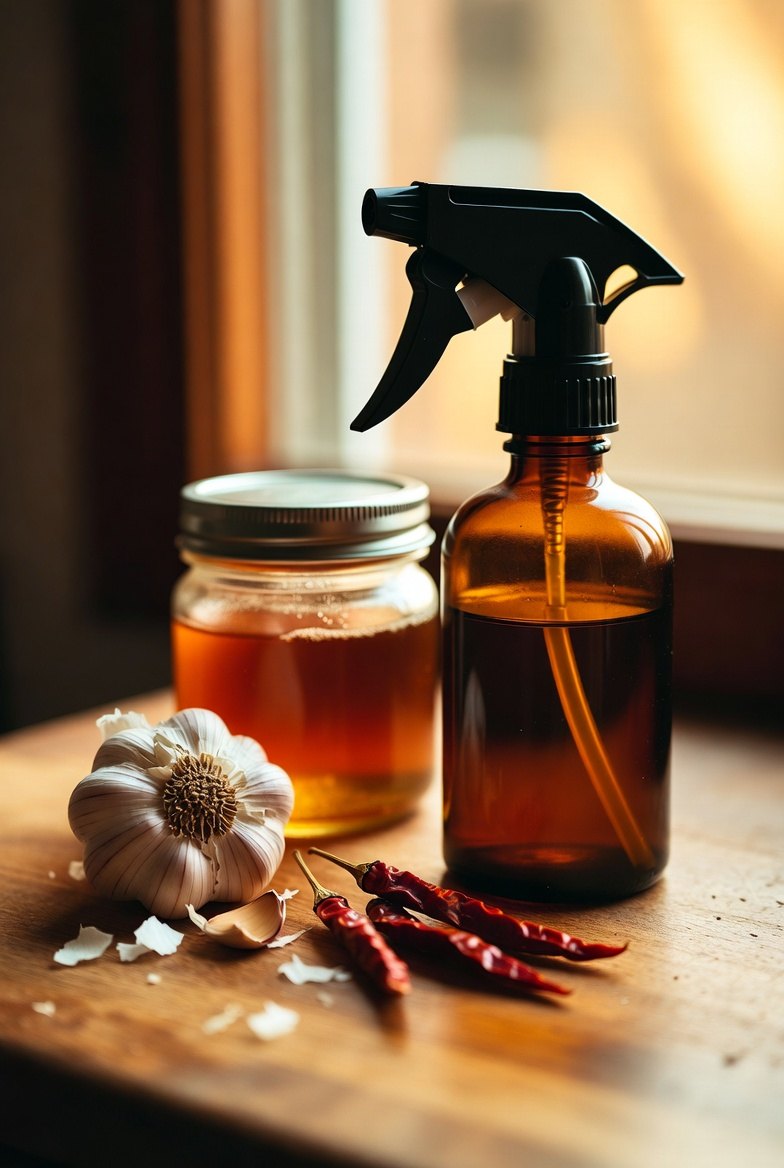
Before commercial organic products existed, gardeners made their pest control from what was in the kitchen. Many of these old remedies work, are free, and leave no residue on food. The active compounds in garlic, hot peppers, rosemary, peppermint, and other kitchen herbs are genuinely repellent to insects. A few important rules apply to all of them:
- Always test a small area first — some plants are sensitive to strong sprays. Apply to one or two leaves, wait 24 hours, check for burn or wilt before spraying the whole plant.
- Apply in the evening after pollinators have stopped foraging. Even natural sprays can affect beneficial insects on contact.
- Reapply after rain — all of these wash off. That’s actually a feature: no long-term residue on your food.
- Store fresh batches in the refrigerator and use within a week. Fresh ingredients lose potency quickly once diluted in water.
- These are primarily repellents, not killers. They work by making the plant unappealing — the pests move on rather than dying. That’s enough.
Garlic Tea Spray
The most effective and versatile kitchen remedy. Garlic’s sulfur compounds repel aphids, ants, beetles, caterpillars, slugs, whiteflies, and spider mites — almost the full pest list. Also deters deer, rabbits, and squirrels. Does not kill beneficial insects on contact (unlike some commercial sprays) but makes the plant unpalatable to pests.
2 cups water — steep overnight
Strain through cheesecloth
Add 1 tsp pure castile soap per quart
Dilute: ¼ cup concentrate per quart of water
Spray undersides of leaves
Hot Pepper (Cayenne) Spray
Capsaicin — the compound that makes peppers hot — irritates insects and deters mammals. Particularly effective against deer, rabbits, and squirrels, and will deter aphids, beetles, and caterpillars on the plants it’s sprayed on. Use fresh hot peppers from your garden or dried cayenne from the spice cabinet — both work.
1 quart water — simmer 15 minutes, cool
Strain well
Add 1 tsp castile soap
Wear gloves; keep away from eyes
Reapply every 3 days and after rain
Garlic-Pepper Tea (Combined)
The combination of garlic and hot pepper is more effective than either alone — they reinforce each other’s repellent properties. This is the classic “Garlic Pepper Tea” recommended by organic gardeners for decades. Works as both insect repellent and animal deterrent. Your garden will smell like salsa for a day.
4–6 hot peppers, chopped
1 quart water
Blend or steep overnight, strain
¼ cup concentrate per gallon of water
Add soap; spray evening only
Rosemary Tea
Boiled rosemary releases its essential oils into the water, creating a spray that repels cabbage moths, carrot flies, Mexican bean beetles, slugs, and snails. Particularly useful over brassica beds and carrot rows. Rosemary from your herb garden works perfectly — this is essentially putting your herb harvest to double use.
1 quart water
Bring to boil, simmer 30 minutes
Cool completely
Strain into spray bottle
Spray on foliage; reapply weekly
Peppermint Tea Spray
Peppermint’s menthol compounds repel ants (which farm aphids), aphids themselves, spider mites, and whiteflies. A strong peppermint tea sprayed around plant bases and on undersides of leaves also deters mice from nesting in the garden. You can use fresh or dried peppermint from the kitchen — or the mint growing in that pot on the patio.
2 cups boiling water
Steep 15–20 minutes
Cool, strain
Add ½ tsp castile soap
Spray on leaves and around plant bases
Cinnamon
Not a spray but a dry application — sprinkle ground cinnamon around plant bases to deter ants from establishing colonies and from farming aphids on your plants. Cinnamon also has genuine antifungal properties and can help prevent damping off in seedlings when sprinkled on soil surface around young starts. Cheap, safe, and available in any kitchen.
Around plant bases at soil level
In seedling trays on soil surface
Refresh after rain
Also works in containers
No mixing, no spray bottle needed
Baking Soda Spray
Sodium bicarbonate changes the pH on leaf surfaces, making them inhospitable to fungal diseases like powdery mildew and black spot. Not an insect repellent — this is specifically for fungal problems on foliage. Use at the first sign of powdery mildew on squash, cucumbers, or roses before it spreads.
½ tsp castile soap
1 quart water
Mix and spray on affected leaves
Coat both sides
Reapply weekly; avoid over-application (can burn in heat)
Citrus Peel Spray
Citrus peels contain d-limonene, a natural insecticide that disrupts the nervous systems of soft-bodied insects. Save orange, lemon, or grapefruit peels from your kitchen, simmer them in water, and strain. The resulting spray repels ants, whiteflies, and aphids and smells pleasant to humans while insects avoid it.
1 quart water
Simmer 15 minutes
Cool and strain
Add ½ tsp castile soap
Spray around plant bases and on foliage
🧄 Garlic + Pepper + Rosemary + Peppermint together: Some experienced organic gardeners combine all four into a single master spray — garlic and hot pepper steeped together, plus a strong rosemary and peppermint tea added to the same batch. The combined scent is overwhelming to most insects and the spray covers the widest range of pests. Make it strong, dilute before use (¼ cup concentrate per quart), and test on a leaf before full application.
🛡️ Physical Barriers — Keep Them Out Entirely
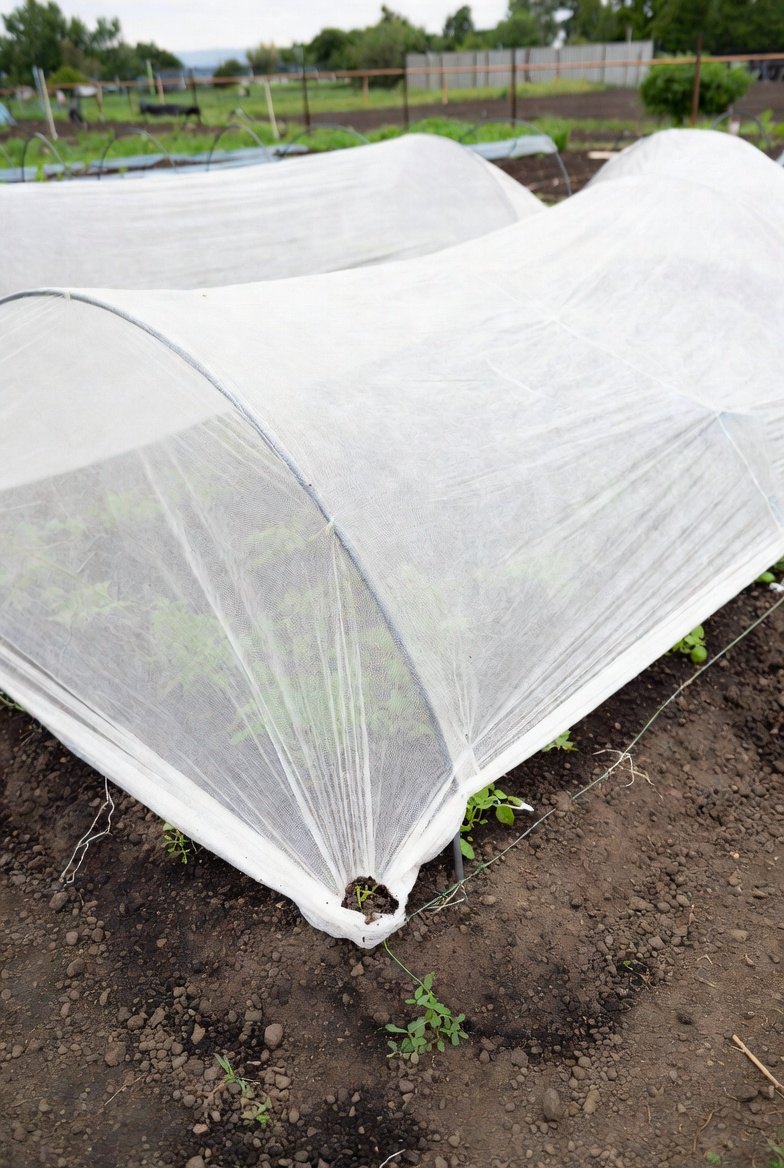
For many pests, the most effective control is simply preventing access. Physical barriers require no chemicals, no timing, no mixing, and no protective gear. They’re especially valuable early in the season when young transplants are most vulnerable.
Floating Row Covers
Spun-bond fabric that lets water, sunlight, and air through but blocks insects. Drape over plants or hoops and weight the edges down with soil or rocks. Extremely effective against cucumber beetles, squash bugs, flea beetles, aphids, cabbage moths, and most flying insects. Important: Remove covers when plants flower if they need pollination (squash, cucumbers, melons) — or hand-pollinate through the cover. Leave covers on all season for crops that self-pollinate or don’t need insects (broccoli, cabbage, leafy greens).
Cutworm Collars
Cutworms cut young transplants off at soil level overnight. Simple collars — toilet paper tubes, cut tin cans, or cardboard rings — pushed 1 inch into the soil and extending 2 inches above it around each transplant stop them completely. Takes 5 minutes per bed. Most effective in the first 2 weeks after transplanting, which is when cutworm damage is most likely.
Copper Tape
Slugs and snails receive a mild electrical shock from copper and will not cross it. Run a band of copper tape around raised bed frames or container rims. Works as long as the copper stays clean — wipe it down if it oxidizes. Also effective around individual plants in pots.
Digging Moats for Slugs
A shallow trench around a bed that you keep filled with water stops slugs from crossing. Simpler than it sounds — slugs and snails are surprisingly easy to physically exclude from a defined growing area.
🧪 Safe Spray and Treatment Methods
When physical barriers and companion planting aren’t enough, these are the treatments that work without toxic chemical residue. Each one is specific to certain types of pests — matching the right tool to the right problem is the key.
Neem Oil
Derived from neem tree seeds. Disrupts insect hormone cycles, deters feeding, and coats eggs to prevent hatching. Approved for certified organic production. Breaks down quickly in sunlight — no long-term residue.
Use on: Aphids, whiteflies, spider mites, beetles, thrips, fungal diseases (also a fungicide).
Apply: Evening after pollinators stop foraging — neem harms bees on direct contact but is safe once dry. Every 7 to 14 days preventatively.
1 tsp pure castile soap
1 quart water
Shake well; spray both sides of leaves
Insecticidal Soap
Potassium fatty acids that break down the outer coating of soft-bodied insects, dehydrating them on contact. No residual action — it only works on direct hit, and breaks down immediately.
Use on: Aphids, spider mites, whiteflies, mealybugs, thrips.
Apply: Cover both sides of leaves. Test a small area first — some plants are sensitive. Reapply after rain. Ready-to-use sprays available or mix your own.
1 quart water
Spray directly on insects — not on blooms
Diatomaceous Earth (Food Grade Only)
Fossilized algae shells. Powder to human touch, but microscopically razor-sharp — scratches crawling insects’ exoskeletons, causing dehydration. Non-toxic to humans, pets, earthworms, and bees when applied correctly.
Use on: Slugs, beetles, earwigs, ants, flea beetles, squash bugs at soil level.
Apply: Sprinkle around plant bases at soil level — NOT on flowers (affects bees). Wear a dust mask when applying. Loses all effectiveness when wet; reapply after rain. Food grade only — pool-grade DE is a different product and not safe.
Bacillus thuringiensis (Bt)
A naturally occurring soil bacterium that has been used safely since the 1950s. Produces proteins toxic to caterpillar guts when eaten — completely harmless to all other life. Targets only caterpillar species. Will not harm beneficials, pollinators, birds, mammals, or earthworms.
Use on: Cabbage worms, cabbage loopers, tomato hornworm (if hand picking isn’t practical), corn earworm, squash vine borer.
Apply: Spray on leaves where caterpillars are feeding. Must be ingested to work — coat the leaf surface. Reapply every 5 to 7 days and after rain. Degrades in sunlight.
Water Blast
A strong stream from a hose knocks the majority of aphids, spider mites, and small caterpillars off plants immediately — and many of them cannot find their way back. Simple, free, immediate, and no residue whatsoever.
Use on: Aphids (excellent first response), spider mites, small caterpillars.
Apply: Direct a strong stream at infested areas, including undersides of leaves. Best in morning so foliage dries before evening. Follow with insecticidal soap if population is high.
Beneficial Nematodes
Microscopic roundworms that parasitize soil-dwelling insect pests. Completely harmless to humans, pets, earthworms, and beneficial above-ground insects. Apply to moist soil in evening or on overcast days.
Use on: Grubs, cutworms, root weevils, fungus gnats, flea beetle larvae, wireworms.
Apply: When soil temperature reaches 55°F. Mix with water per package instructions and apply immediately. Water the soil before and after application. Refrigerate until use.
🌳 Old-Order & Traditional Methods Most People Have Never Heard Of
A word of honesty first: most Mennonite and Amish farmers today do use conventional chemical pesticides. That’s documented. But there is a genuine body of pre-chemical knowledge from European and early American traditional gardening that predates the modern organic movement by centuries. These are the plants and methods that plain-community kitchen gardeners used before commercial pesticides existed — some of them brought to North America by the Pilgrims in 1620. A few are widely known today; most are not.
⚠️ Important warnings before this section: Two of the plants below — wormwood and rhubarb leaves — contain genuine toxins. They work because of those toxins. Neither should be sprayed on edible crops. Tansy is invasive in most states. Read the individual notes carefully.
🌼 Tansy (Tanacetum vulgare)
A perennial herb with clusters of small yellow button flowers that predates modern gardening by centuries. Lab studies published in PubMed confirm tansy’s essential oils (thujone, camphor, cineole) significantly deter Colorado potato beetle feeding. Maine Organic Farmers and Gardeners document the traditional use: crush fresh tansy stems and leaves into a strong infusion and spray on young potato plants before beetles establish. Once the beetles are in, it’s too late — this is a preventive, not a cure.
Also repels ants, flies, squash bugs, cutworms, cabbage moths, and aphids. Plant near potato beds, fruit trees, or along garden borders.
⚠️ Invasive warning: Tansy is listed as a noxious or prohibited weed in 45 states. It spreads aggressively by seed and rhizome. Grow it in a buried container or large pot, deadhead before it seeds, and monitor spreading roots. Check your state regulations before planting.
Steep in 1 quart boiling water, 30 minutes
Cool and strain
Spray on potato plants BEFORE beetles arrive
Repeat weekly as a preventive
🌿 Wormwood (Artemisia absinthium)
The bitter herb of European tradition — the same plant that gives absinthe its character. Contains thujone, a compound found in many commercial insecticides. Planted as a border, wormwood repels cabbage moths, slugs, snails, carrot rust flies, and black flea beetles — almost everything that attacks brassicas and root crops. A tea spray is one of the most effective traditional treatments for cabbage pests.
⚠️ Do NOT spray on edible crops. Thujone is toxic in quantity. Use wormwood spray on ornamentals or as a perimeter spray around the garden. As a planted border specimen, it’s safe and effective. Ornamental varieties with attractive silver-gray foliage: Silver King and Powis Castle.
8 oz fresh wormwood leaves
Simmer in 2 quarts water, 30 minutes
Cool, strain
Add 1 tsp soap flakes
Spray garden perimeter & ornamentals only
🚫 Rhubarb Leaf Spray
Rhubarb leaves are toxic to humans — the oxalic acid that makes them inedible also kills soft-bodied insects. Traditional gardeners boiled the leaves to extract the acid, added soap as a surfactant, and sprayed the result on aphid-infested plants. It works against aphids, spider mites, June bugs, and caterpillars. This is a genuinely effective remedy with centuries of use behind it.
⚠️ Critical safety rule: NEVER spray on edible crops. Ornamentals, roses, and flower beds only. The oxalic acid can cause nausea and kidney damage if ingested. Use within 24 hours of making — it degrades quickly. Label the container clearly and keep away from children.
3 quarts water
Boil 20–30 minutes
Cool, strain through cheesecloth
Add 1 tsp castile soap
ORNAMENTALS ONLY — never on food crops
🔥 Wood Ash
Every traditional kitchen garden that had a wood stove also had a barrel of ash near the garden. Sprinkled around plant bases, wood ash deters slugs, snails, root maggots, and cutworms — the particles irritate soft-bodied pests and they won’t cross the barrier. It also provides a potassium boost to the soil and raises pH in acidic beds. One of the oldest and simplest pest deterrents that exists.
Shake dry ash from a burlap bag around plant stems, or sprinkle directly. Reapply after rain. Don’t use near acid-loving plants (blueberries, potatoes). Don’t use fresh ash from treated or painted wood.
Sprinkle in a 2-inch ring around plant base
Keep away from stems (can burn)
Reapply after every rain
Also excellent for slug barriers
around bed perimeters
🌿 Southernwood (Artemisia abrotanum)
A lesser-known cousin of wormwood with a distinctive lemony scent when leaves are crushed. Traditional European companion for cabbage — plant near brassica beds to repel cabbage moths. Roots very easily from stem cuttings and grows into a dense perennial shrub. Does not like heavy fertilizer — treat it like an herb, not a vegetable. The leaves can also be bundled fresh and laid between cabbage heads to deter moths during storage.
Not invasive. Not toxic. One of the safest and most underused traditional pest-repelling plants in American gardens. Almost impossible to find at garden centers but readily available from herb specializts.
🌼 Feverfew
A dense, perennial flowering plant with small white daisy flowers and a very strong scent that most insects dislike. Traditional cottage garden plant grown near vegetables to repel a wide range of insects. The smell of the foliage is the active ingredient — crushing a leaf and rubbing it on exposed skin also traditionally used as a mosquito deterrent. Low maintenance perennial that self-seeds but isn’t invasive.
Also attracts bees to the garden. Plant near fruit trees for a combination of pollinator attraction and pest deterrence.
🌱 Comfrey
Not primarily a pest repellent, but comfrey’s role in traditional old-order gardening is worth knowing. It accumulates calcium, phosphorus, and potassium from deep in the soil and concentrates them in its leaves. Traditional gardeners used it as a compost activator, a soil-fertility spray, and a mulch around fruit trees. It also serves as a trap crop for slugs — slugs preferentially feed on comfrey leaves, drawing them away from vegetables.
Bocking 14 is the cultivated variety that doesn’t spread by seed. Harvest leaves and lay them as mulch, steep in water for a liquid fertilizer, or let slugs pile onto them and then destroy the plant material with the slugs on it.
🌿 Horseradish Root
A traditional remedy specifically against Colorado potato beetles that predates every commercial solution. The pungent compounds in horseradish roots and leaves are genuinely repellent to potato beetles. Traditional practice: plant horseradish at the corners of potato beds. The roots are perennial and come back each year without replanting.
You can also make a basic spray: steep grated horseradish root in warm water, strain, and spray on potato plants as a preventive early in the season. Maine Organic Farmers and Gardeners document this as one of the traditional remedies for potato beetle control alongside tansy.
¼ cup grated fresh horseradish root
2 cups water — steep overnight
Strain, add ½ tsp castile soap
Spray on potato plants
Use as a preventive before beetles arrive
🥚 Crushed Eggshell Barrier
The oldest slug and snail barrier in the kitchen garden. Crush dried eggshells into sharp fragments and scatter a ring around vulnerable plants. Slugs and snails will not cross the sharp edges. Free if you cook eggs, which most gardeners do. Rinse shells, dry them, crush coarsely, and apply. Unlike copper tape, eggshells also add calcium to the soil as they break down over the season.
Best results with thickly crushed shells (not powder) in a ring wide enough that slugs can’t stretch over it. Refresh the ring after heavy rain breaks the fragments down further.
📖 Where this knowledge actually comes from: Most of these practices trace to 16th and 17th century European cottage gardening and were brought to America by early settlers. Tansy arrived with the Pilgrims in 1620. Wormwood and southernwood were standard kitchen garden plants across Germany, Switzerland, and the Netherlands — the countries many Mennonite and Amish communities originally came from. Whether today’s plain-community farmers use these or chemical pesticides is a community-by-community question. The knowledge itself is genuinely old, genuinely effective, and genuinely worth knowing.
🐛 Pest by Pest — What to Do with Each One
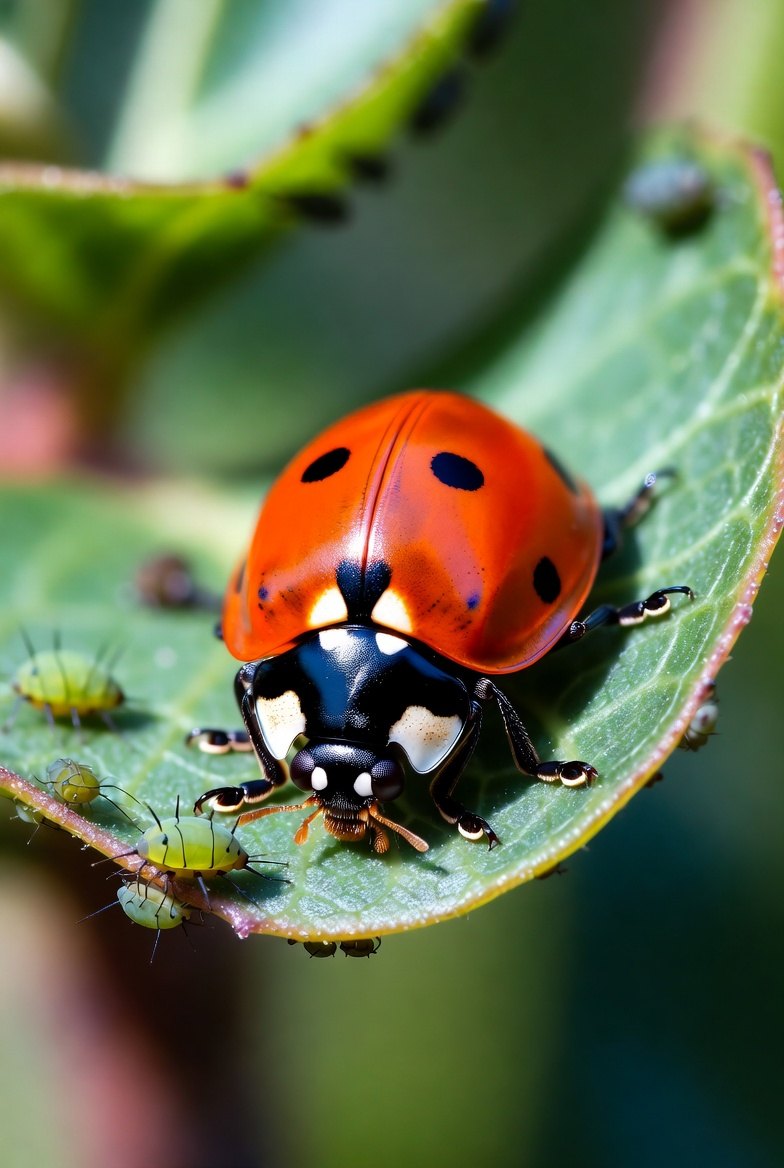
Different pests respond to different approaches. Here are the ten most common garden pests with specific non-toxic strategies for each.
🟢 Aphids
| Signs | Tiny soft-bodied clusters on new growth and stem undersides; sticky honeydew residue; ants tending the colony |
| First | Strong blast of water — knocks 80% off immediately |
| If more | Insecticidal soap spray on both sides of leaves; repeat every 5 days |
| Long term | Plant dill, fennel, marigolds, nasturtiums nearby to attract and host ladybugs and lacewings |
| Note | Ants farm aphids — controlling ants with DE around plant bases also reduces aphid pressure |
🍅 Tomato Hornworm
| Signs | Large holes in leaves, stripped stems, dark green frass (droppings) |
| First | Hand pick — go out at dusk with a black light UV flashlight; hornworms glow bright green under UV, making them easy to spot |
| If more | Bt spray on affected foliage; caterpillars must eat treated leaves to die |
| Prevent | Basil companion planting; plant dill to attract parasitic wasps that lay eggs in hornworms |
| Note | A hornworm covered in white rice-grain-shaped objects has been parasitized by wasps — leave it; the wasps are your allies |
🥔 Colorado Potato Beetle
| Signs | Yellow-orange egg clusters on leaf undersides; orange/yellow larvae with black spots; heavy defoliation |
| First | Inspect leaf undersides daily early in season; crush yellow egg masses by hand before they hatch |
| If more | Hand pick larvae into soapy water; neem oil spray on heavily infested plants |
| Prevent | Row covers from planting to flowering; rotate potato location every year; mulch heavily |
| Note | Colorado potato beetles build resistance to chemical pesticides quickly — hand picking is genuinely more effective long term |
🌱 Squash Vine Borer
| Signs | Sudden wilting of a squash vine; sawdust-like frass at base of stem; entry hole at soil level |
| First | Row covers from transplant to flowering; remove before flowering for pollination |
| If caught early | Find the entry hole, slit the stem lengthwise, remove the borer, mound soil over the cut to encourage new roots |
| Trap crop | Plant Blue Hubbard squash as a border — vine borers and squash bugs preferentially attack it, leaving other varieties alone |
| Note | Butternut squash is more resistant than zucchini or yellow squash |
🥬 Cabbage Worms
| Signs | Ragged holes in cabbage, broccoli, kale; pale green caterpillars; white cabbage butterflies laying eggs |
| Most effective | Row covers over brassica beds — completely prevents the butterfly from laying eggs; leave on all season since brassicas don’t need pollination |
| If uncovered | Bt spray on foliage every 5 to 7 days; caterpillars must eat treated leaves |
| Hand pick | Check undersides of leaves for pale yellow egg clusters and crush them; remove green caterpillars |
🐌 Slugs & Snails
| Signs | Irregular holes in leaves, silvery slime trails, seedlings eaten at soil level |
| Physical | Copper tape around raised bed frames; diatomaceous earth at soil level around affected plants |
| Trap | Beer traps — a shallow dish filled with beer, sunk to soil level. Slugs enter and drown. Highly effective; empty and refill every 2 to 3 days |
| Timing | Slugs are most active at night in wet weather; hand pick by flashlight after rain |
| Note | Remove boards, pots, and debris near the garden — slugs shelter under anything flat on the ground during the day |
🕸️ Spider Mites
| Signs | Stippled, bronzed, or yellowing leaves; fine webbing on undersides; worst in hot dry weather |
| First | Strong water blast on undersides of leaves; spider mites are knocked off and many cannot return |
| If more | Insecticidal soap spray targeting undersides of leaves; neem oil every 7 days |
| Conditions | Spider mites thrive in hot dry conditions — consistent watering and mulching to reduce soil heat reduces pressure |
🐞 Flea Beetles
| Signs | Tiny round holes peppered across leaves of eggplant, arugula, brassicas; tiny black jumping beetles |
| Most effective | Row covers over transplants for the first 3 to 4 weeks; flea beetle pressure is worst early then diminishes as plants get established |
| If uncovered | Diatomaceous earth dusted on affected plants; kaolin clay sprayed on leaves creates a white coating that interferes with feeding |
| Radish trick | Plant radishes as a trap crop near eggplant — flea beetles prefer radish foliage and leave eggplant relatively alone |
🎓 What the Extension Service Says
Extension offices across the country have published guidance on non-chemical pest management under the framework of Integrated Pest Management (IPM). IPM doesn’t mean never using any treatment — it means starting with the lowest-risk approach and only escalating when necessary.
The IPM Principle
University of Minnesota Extension defines the approach clearly: the goal is to use methods that work while posing the least risk to health and environment. Chemical pesticides, when needed, are the last step — not the first. Less than 1% of insect species are actually harmful to crops. The rest are neutral or beneficial. A broad-spectrum pesticide kills all of them indiscriminately, which makes subsequent pest management harder, not easier.
On Trap Crops
Mississippi State Extension Extension recommends trap crops explicitly: southern peas near tomatoes pull stink bugs off the tomatoes. Sunflowers as a border crop attract leaffooted bugs away from beans and tomatoes. The principle is giving pests an easier target so they never establish on the primary crop. This approach requires no spraying, no mixing, no protective gear — just strategic planting.
On Row Covers
Utah State Extension’s organic pest management guidance rates floating row covers as one of the most effective mechanical controls available. They exclude flying insects entirely during the critical early-season period when transplants are most vulnerable. Spun-bond fabric (not plastic) lets light and water through while blocking insects of all sizes.
On Diatomaceous Earth
James Dill, pest management specializt at University of Maine Cooperative Extension, gives specific guidance: sprinkle food-grade DE rather than using a high-pressure sprayer. Using it with force can damage leaf surfaces and open plants to secondary infections. Apply at soil level around plant bases, not directly on leaf surfaces where bees land.
Free Extension Resources
• University of Minnesota Extension — Preventing Pests in Your Yard and Garden
• Utah State University Extension — Organic Pest Management for Home Gardens
• National Pesticide Information Center (Oregon State University) — Older Adults and Pesticides
• Find your county Extension office for local pest identification →
💬 What Gardeners Say Once They’ve Made the Switch
“I used to spray every time I saw anything wrong. Aphids, spray. Hornworm, spray. Fungus on the leaves, spray. My wife pointed out that I was eating food I’d been spraying every week and I was also on three blood pressure medications. I didn’t have an answer for that. I switched to neem oil and insecticidal soap three years ago. My garden is not more damaged now than it was when I was spraying. It is possibly less.”
“The black light flashlight for tomato hornworms is the greatest thing I have learned in twenty years of gardening. I was always fighting hornworms and losing. I would find damage, never the worm. Someone told me about UV light. I went out after dark with a $12 flashlight and found seven hornworms in ten minutes on plants I had been searching in daylight for two weeks. They glow green. It’s not subtle.”
“I plant nasturtiums everywhere now. My neighbor asked why my garden was so colorful. I told her they were pest traps. She said, ‘So the flowers are doing pest control?’ Yes. The flowers are doing pest control. The aphids pile onto the nasturtiums and I deal with the nasturtiums instead of my tomatoes and beans. It takes five minutes a week.”
“I put row covers on my broccoli the first year I tried them and had zero cabbage worms. Zero. The year before I had been handpicking caterpillars every three days and still losing leaves. Row covers cost me eight dollars. I was irritated that I had not done this twenty years earlier.”
“The Colorado potato beetle is the reason I hand pick now. I sprayed them for years with chemical pesticides and they came back stronger every year. Then I read that they develop resistance to synthetic pesticides faster than almost any other garden pest. I switched to picking egg masses by hand every morning. I stopped having bad outbreaks. The consistency matters more than any product.”
Frequently Asked Questions
Is neem oil safe to use on vegetables?
Yes. Neem oil is approved for certified organic production and is safe on edibles when diluted correctly. Apply in the evening after pollinators have stopped foraging — neem can harm bees on direct contact but is safe once it has dried. Always check product labels for pre-harvest intervals; most neem oil products allow same-day harvest after the oil has dried.
The reader accounts on this page are composite voices drawn from common, real experiences — the names are not those of real individuals, and these are not customer testimonials. Individual results vary.
What is the best natural way to get rid of aphids?
The fastest first response is a strong blast of water, which removes most aphids immediately and many cannot find their way back. Follow with insecticidal soap spray on both sides of leaves if the infestation persists. For ongoing control, plant dill, fennel, or marigolds nearby to attract ladybugs and lacewings. Nasturtiums planted as a trap crop pull aphid populations away from food crops entirely.
Does diatomaceous earth wash away in rain?
Yes — diatomaceous earth loses all effectiveness when wet and must be reapplied after rain. This is one of its main limitations. Apply when no rain is expected for at least 24 hours, and plan to reapply regularly during wet periods. Use only food-grade DE; pool-grade DE is chemically different and not safe for garden use.
Why should seniors especially avoid chemical pesticides in the garden?
The National Pesticide Information Center (Oregon State University) explains that the liver and kidneys that remove prescription medications from the body also remove pesticides — and these organs become less efficient with age. Seniors on multiple medications face real risk of reduced ability to process additional chemical exposure. Pesticide chemicals also stay in older adults’ bodies longer than in younger adults, increasing the window for potential interaction.
What is Bt and is it safe?
Bt (Bacillus thuringiensis) is a naturally occurring soil bacterium that has been used safely since the 1950s. It produces proteins that are toxic specifically to caterpillar guts when eaten. It is completely harmless to humans, pets, beneficial insects, pollinators, birds, and earthworms. It only works on the caterpillar species that eat it. Bt sprays are approved for certified organic production and are available at most garden centers.
📚 Primary Sources
- • National Pesticide Information Center, Oregon State University — Older Adults and Pesticides
- • University of Minnesota Extension — Preventing Pests in Your Yard and Garden
- • Utah State University Extension — Organic Pest Management for Home Gardens
- • Mississippi State University Extension — Organic Insect Control, Vegetable Production
- • University of Maine Cooperative Extension — Diatomaceous Earth guidance (James Dill, Pest Management Specializt)
Page last reviewed: June 2026 | Author: Franklyn Galusha