
💬 The Drawer of Dead Batteries
🔋 The $600 Drawer — Crystal River, Florida
“Open the third drawer of my workbench and you will find a museum of good intentions: four battery platforms from four different decades, every one of them orphaned. The tools attached to those batteries all still work perfectly — the motors are fine, the chucks are fine — but the batteries died, the replacements got discontinued, and six hundred dollars of tools became six hundred dollars of paperweights, one platform at a time. Nobody killed those tools. Their batteries just stopped being made.
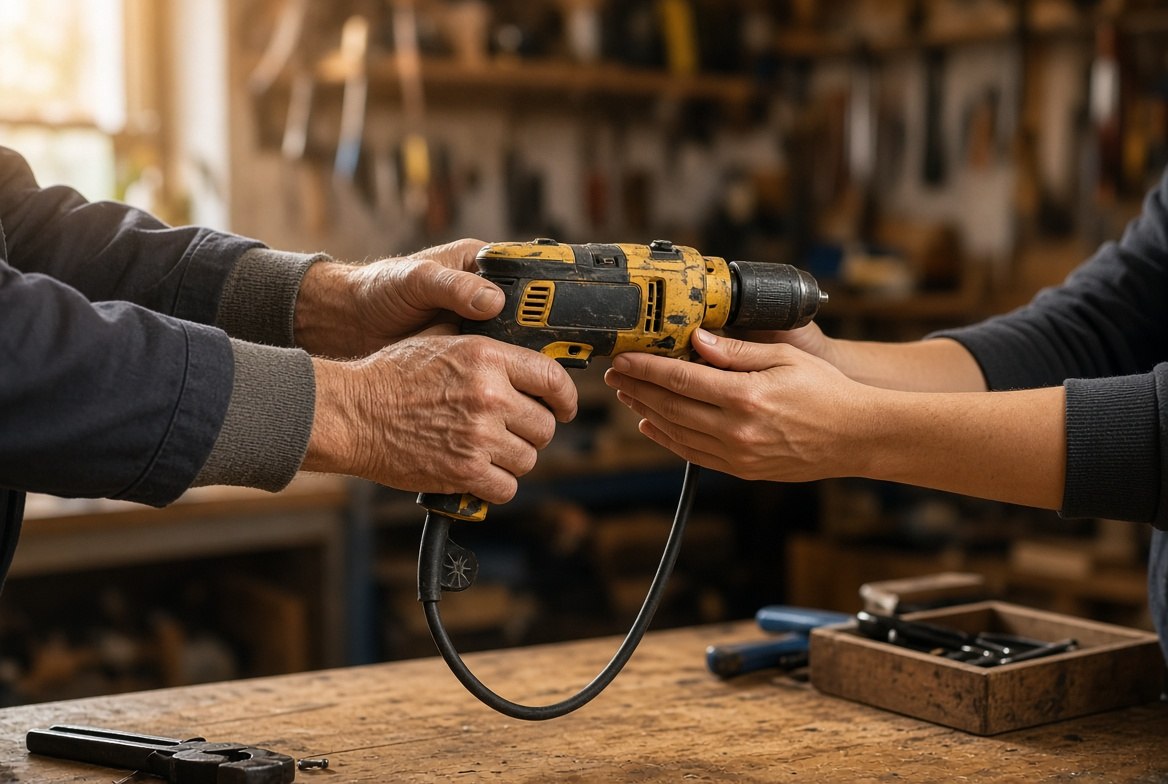
On the shelf above that drawer sits my father’s corded drill. He bought it when Eisenhower was president. It ran the day he bought it, it ran the day he gave it to me, and it ran twenty minutes ago hanging a shelf. It has outlived four battery platforms without trying, because there is nothing in it that anyone can discontinue. That drill has a next owner already picked out. The drawer does not.”
— Retired machinist, 76, Crystal River, Florida
🌪️ The Week After the Storm — Homosassa Springs, Florida
“After the hurricane we had a week of repairs and no grid. Here is what nobody tells you about cordless tools in a disaster: the charger needs an outlet too. My neighbor’s fancy cordless kit gave him about ninety minutes of work and then joined the outage. My corded circular saw and drill ran all week off the little generator, right alongside the refrigerator — a saw only pulls power while the blade is actually spinning, so it barely dented the fuel. We cut plywood, hung it, fixed the fence, and repaired the neighbor’s porch steps, all on tools with no batteries to baby. The cord everyone calls a limitation was the only thing that kept working.”
— Retired county lineman, 69, Homosassa Springs, Florida
🪚 The Saw That Built Both — Istachatta, Florida
“My father bought his corded circular saw the summer I turned nine, and the first thing it built was the bunk beds my brother and I slept in until high school. When Dad passed, the saw came to me the way his father’s tools had come to him — wiped down, cord coiled, ready. It has waited in my garage between jobs for years at a stretch and never once been dead when I picked it up, because there is nothing in it that can die on a shelf.
“Last month, that same saw cut every board in the wheelchair ramp I built for my wife after her surgery. Sixty years apart, the same tool built my childhood and built her way back into our house. You cannot tell me a battery does that. Somewhere in those sixty years, three or four generations of cordless saws were bought, praised, orphaned, and thrown away — and Dad’s saw just kept taking its turn. My grandson helped me set the ramp posts, and he has already been told: the saw is his someday. He will not need to buy one. That is the whole point of it.”
— Retired citrus inspector, 66, Istachatta, Florida
🔌 Why Corded Wins — The Case in Plain Numbers
- Power: a $60 corded drill out-muscles cordless drills costing three times as much, because a wall outlet never runs low. For stubborn bolts and big holes, the cord is the performance upgrade.
- Always ready: a corded tool has never once been dead when somebody picked it up. For a tool used a few times a month — which is most home tools — that matters more than portability.
- No platform risk: battery systems get redesigned and discontinued on a manufacturer’s schedule, and replacement packs often cost more than the tool did. A cord plugs into 1965 and it plugs into 2065.
- Lighter in the hand: no battery pack means less weight hanging off your wrist — a real difference for anyone this website is written for.
- The honest con: the cord itself — it needs an outlet, and it needs managing so it is never underfoot. Both are solved for $30 in the section below.
🧰 The Core Four — A Lifetime of Motors for Under $250

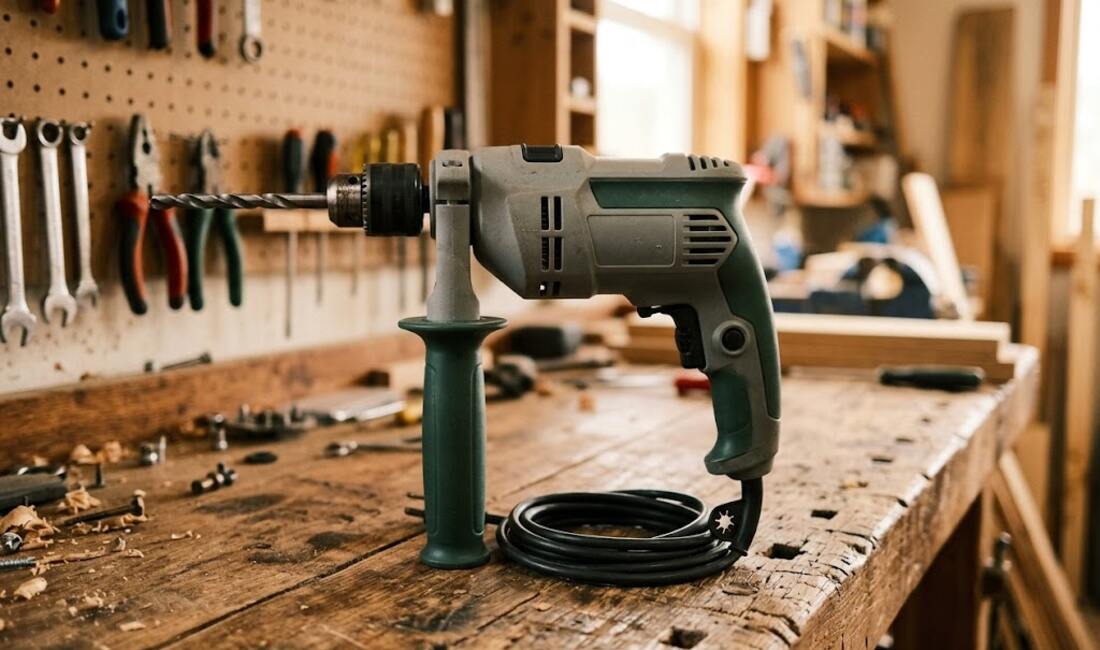
- Corded drill ($40–70) — the heart of the shop. Get one with a side handle: two hands share the torque so one wrist never fights it alone. Shop Corded Drills →
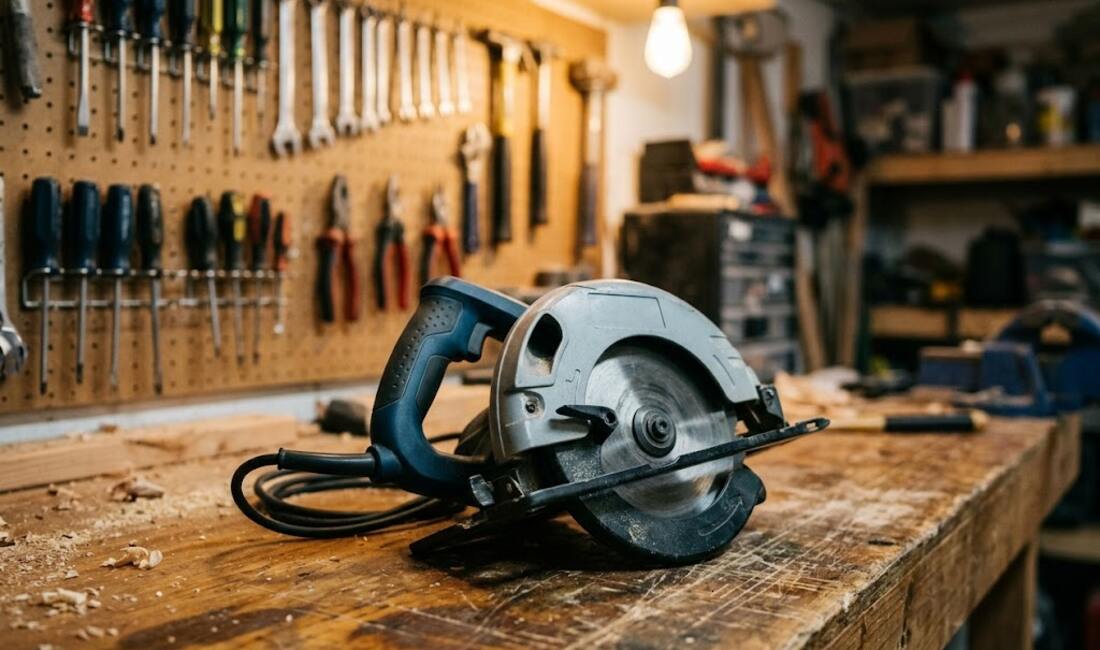
- Corded circular saw ($50–90) — plywood, shelving, storm repairs. Only draws power while cutting, which is why it pairs so well with a generator. Shop Circular Saws →
- Corded impact driver ($50–80) — drives screws with almost no wrist torque; the mechanism hammers so your hand does not twist. Transformative for limited grip or arthritis. Shop Impact Drivers →
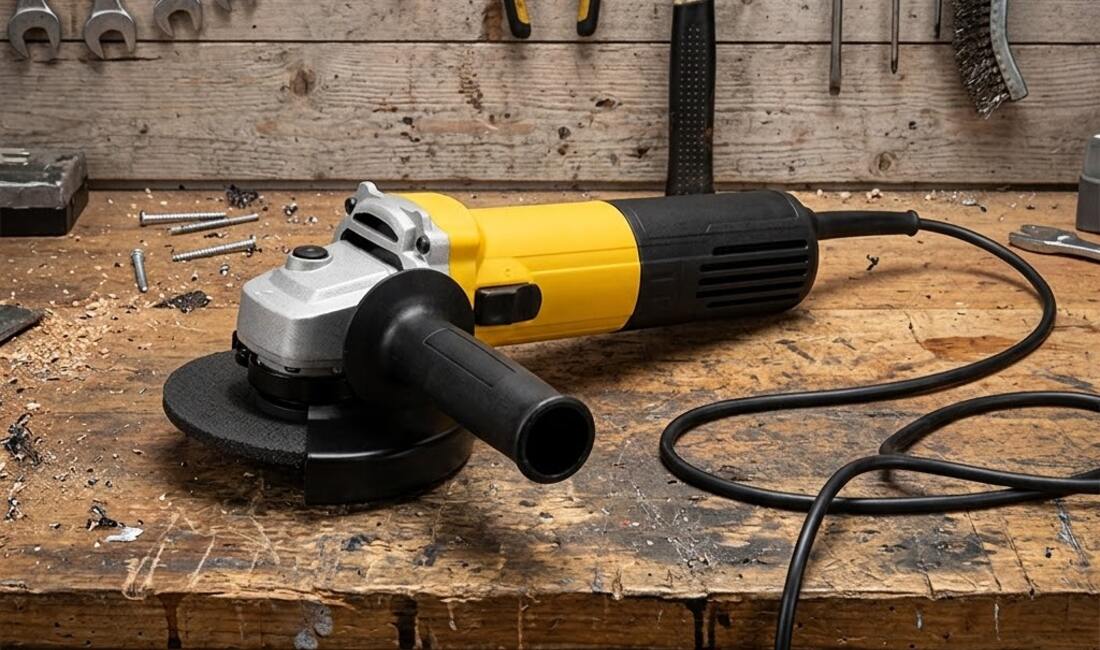
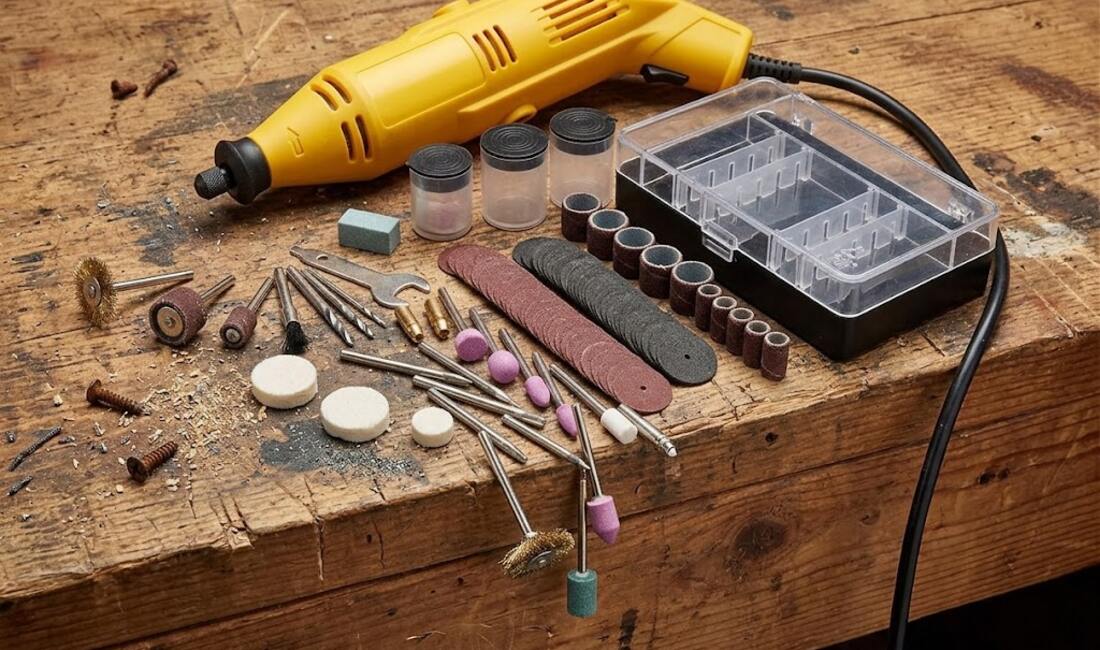
- Corded angle grinder & rotary tool ($30–60 each) — the grinder eats rust, bolts, and sharpening jobs; the rotary tool does everything small, from sharpening mower blades to smoothing a sticking door latch. Shop Angle Grinders → Shop Rotary Tools →
💵 The Great Corded Sell-Off — Other People’s Mistake Is Your Bargain
Here is something happening right now in every community in America: people are trading away lifetime tools for tools with a 3-to-5-year battery clock, and they are practically giving the good ones away. Garage sales, estate sales, Facebook Marketplace, thrift stores, church rummage sales — they are all flooded with corded drills, saws, and grinders priced at five and ten dollars, because their owners “upgraded” to cordless and no longer see the value in a plug. They do not realize they are handing you one of the best tools they will ever own — a motor with another forty years in it — to make room for something whose battery platform will be discontinued before their grandkid starts high school.
How to buy a used corded tool with confidence, in two minutes:
- Look at the cord first — the jacket should be intact, no cracks or exposed wire at the plug or where it enters the tool. (Even a bad cord is a $10 repair on a $5 tool, but know what you are buying.)
- Plug it in and run it — any honest seller lets you. Listen for smooth spin-up, no grinding, no screech.
- Smell it while it runs — a sharp burnt-electrical smell means worn windings; walk away. A little dust smell is just a garage tool being a garage tool.
- Watch for light sparking inside the vents — a faint glow at the motor brushes is normal; a fireworks show is not.
- Heavy is good. The old ones with metal gear housings are the ones built for your grandchildren.
Ten dollars and a two-minute test, and you own the tool the last owner should have kept. Their trade-in is your inheritance piece.
⚠️ The Extension Cord Truth Nobody Explains
The one thing that ruins corded tools is the wrong extension cord — and it is the most common mistake in every garage. A thin cord starves the motor: the tool runs weak, runs hot, and dies years early, and the cord itself becomes a fire risk. The rule is simple: for power tools, use a 12-gauge extension cord (the gauge number is printed right on the jacket — lower number means thicker wire). One good 50-foot 12-gauge cord costs about $40, reaches everything on your property, and protects every motor you plug into it for decades. The complete gauge-by-length chart, the appliance amp cheat sheet, and the generator cord section live on the full Extension Cord Guide.
While you are at it: a cord reel or hook on the wall keeps it coiled, off the floor, and out of the walking path — because on this website, nothing gets to live where feet go. Shop 12-Gauge Cords → Shop Cord Reels →
⚡ The Outage Angle — Corded Tools and Your Generator
Here is the connection to everything else on this site: after a storm, the week of repairs happens during the outage — and a cordless tool’s charger is just one more thing begging the generator for power, on a schedule. A corded saw or drill draws power only while it is actually working, runs at full strength off any generator that can start it, and never makes you choose between charging the tool and running the refrigerator.
Run your numbers in the Generator Size Calculator, and see the Quality Hand Tools guide for the half of the workshop that needs no power at all. The complete room-by-room kit lives at the Grandfather Toolkit. And the reason all of it matters — the retirement case for fixing it yourself — is told in full at Fix It Yourself at 70.

And once you are convinced, there is the question of which ones to actually buy. The drill, the circular saw, the jigsaw, the sander and the rest — what each one is for, what to pay, and which brands still make them properly — are set out on the corded power tool buying list.
❓ Plain Answers
The short version of this page, one question at a time — the answer is always the first line.
How much does a basic set of corded power tools cost?
A core set of corded tools, a drill, a circular saw, an impact driver and an angle grinder or rotary tool, can be had for under $250. A corded drill runs $40–70 and a corded circular saw $50–90.
How do I check a used corded tool before buying it?
Check the cord for cracks or exposed wire, then plug the tool in and run it, listening for smooth spin-up with no grinding or screech. A sharp burnt-electrical smell means worn windings, so walk away.
What gauge extension cord should I use for power tools?
Use a 12-gauge extension cord for power tools, because a thin cord starves the motor and becomes a fire risk. One good 50-foot 12-gauge cord costs about $40, and the lower the gauge number, the thicker the wire.
Are corded tools better during a power outage?
Corded tools draw power only while they are working and run at full strength off any generator that can start them. A cordless tool's charger is just one more thing asking the generator for power.
Is a corded drill more powerful than a cordless drill?
A $60 corded drill out-muscles cordless drills costing three times as much, because a wall outlet never runs low.