
💧 It Is Nearly Always the Same Two Calls

There is a whole trade built on plumbing, and it is honest work, and a man who can solder a joint lying on his back in a crawlspace has earned every dollar he charges for it.
This page is not about that work.
This page is about the other kind. The kind where somebody comes to the house, and you are glad to see him, and he is gone again in under fifteen minutes, and the bill has a minimum on it that has nothing whatever to do with the fifteen minutes.
I have watched this happen to friends and to family for a good many years now, and I will tell you what I have noticed about it.
It is nearly always the same two calls.
The toilet will not go down.
Or a sink, or a tub, or a shower has been getting slower for about eight months in a way nobody quite noticed, and then one ordinary morning it stops altogether.
That is the bulk of it. Not all of it — there is real plumbing in the world and some of it belongs to somebody with a license. But the bulk of what gets paid for is those two, and the tools that fix them fit in a shoebox and cost less than a dinner out.
Why the steps are here. This is not a repair manual, and we are not trying to make a tradesman out of anybody.
The steps are on the page so you can weigh the job. The name of a job tells you nothing at all. What it costs, what it takes, and how long you will be on the floor tells you everything, because now you can set it beside what somebody would charge to come out and do it, and decide for yourself. That decision is the whole point of the page. The instructions are only how we show our working.
Some of these you will read and think: not for me. That is a real answer and it cost you four minutes. Take it and hire the job out with your eyes open, which is a better position than most people are in when they make that call.
But take your time with one. Look it up twice. Watch somebody do it before you touch anything. A fair number of people who do that find the job was a good deal smaller than the fear of it — and then find out the same is true of the next one. That is what we are actually after. Not the repair. The surprise.
🪠 Start With the Thing You Already Own
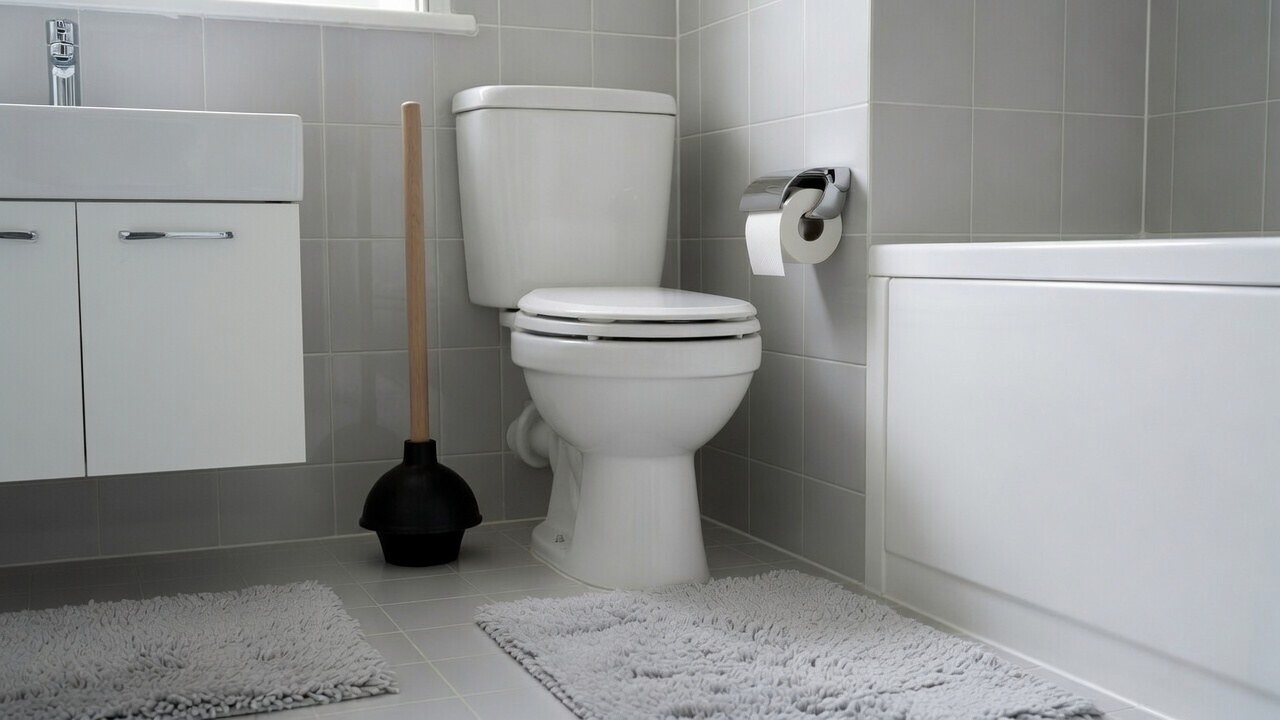
Here is the part that surprises people.
Most stopped toilets do not want a tool at all. They want the plunger you have already got, except that the plunger you have already got is the wrong one, and has been the wrong one the entire time.
Go and look at it.
If the bottom of it is flat — a plain rubber cup on a stick, the sort everybody’s mother kept behind the door — that is a sink plunger. It was built to sit flat on the bottom of a basin. Set it against the throat of a toilet and it cannot seal, and a thing that cannot seal cannot push, and all you are accomplishing is stirring.
What you want has a soft rubber flange folded down out of the bottom of the cup, like a collar. You tuck that collar into the throat and it seals against the curve, and now when you push, the water has nowhere to go except forward.
Five or six dollars. Same aisle. It has been standing next to the wrong one your whole life.
🤜 The Part Everybody Gets Backward
Go gentle on the first stroke
There is air under that cup when you set it down. Drive it hard the first time and the air has to go somewhere, and where it goes is up and over the rim and onto your floor. Seat it, press the air out slowly, and then work it. And mind that the pull matters every bit as much as the push — you are trying to rock the thing loose, not ram it further in.
If the flanged plunger has had a fair trial and the water is still standing, then you do want a tool. And it is not the one most people reach for.
🚽 The Toilet Auger Is Its Own Tool
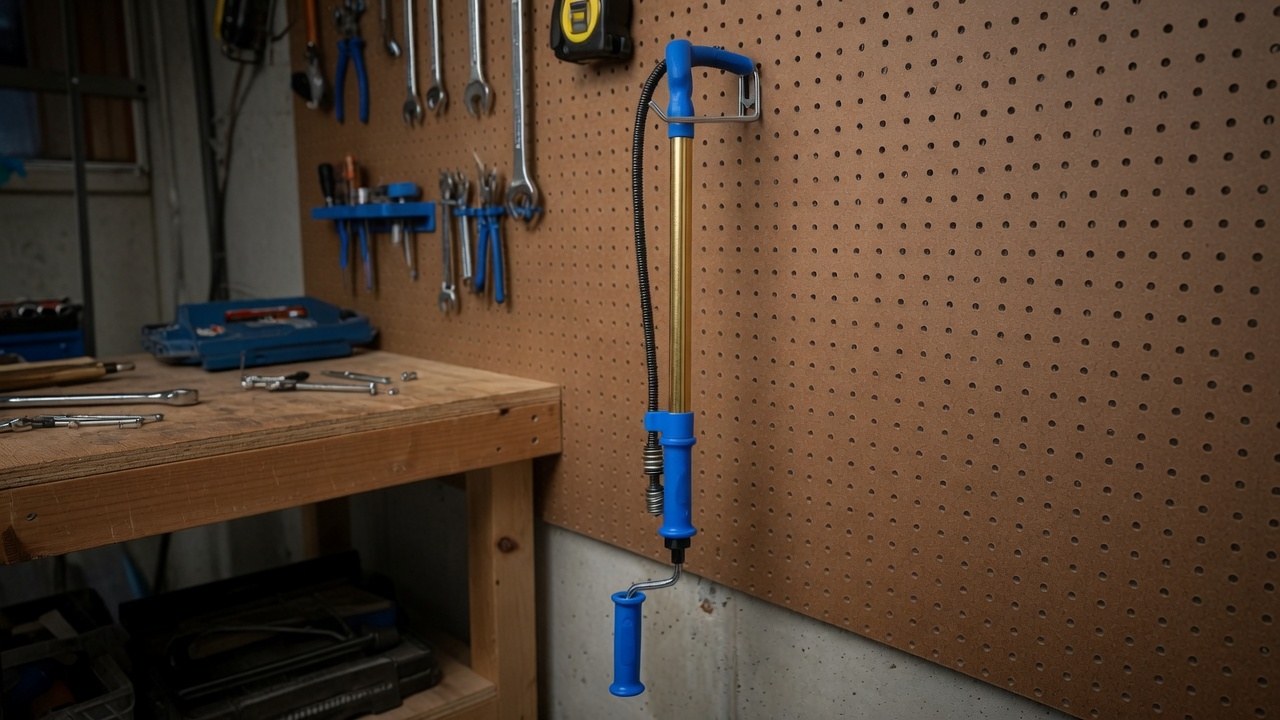
A closet auger — toilet auger, same article — is about three feet long. It is a rigid tube with a crank at one end and a short cable coming out of the other, and the working end of that cable is wrapped in a vinyl or rubber boot.
That boot is the whole reason the thing exists.
The inside of a toilet is glazed porcelain. Run a bare steel cable around that bend and you will scratch the glaze, and a scratched glaze does not polish out. It takes a stain from that day forward, and every year it takes a little more of one, and you will be looking at that mark for as long as you own the house.
You will find drain augers on the shelf whose packaging says they will do toilets. Some makers print it right on the box. I would not do it, and I am not going to tell you to do it, and the plainest argument I can offer is this: the same store sells the closet auger as a separate tool, twelve feet away, for about the same money. The trade settled this question a long while back.
Fifteen to twenty-five dollars, near enough. Buy the right one and be done.
🪝 The Five-Dollar Tool With No Moving Parts
Now for the sink and the tub and the shower, which is the other call.
It helps to know what is actually down there, because it changes what you reach for.
It is hair. It is hair and it is soap, and soap is a grease, and over a few months the two of them braid themselves into an object about the size and general disposition of a drowned squirrel. It sits in the trap or just past it, a foot or two down. It does not so much block the drain as gradually become the drain.
Which is why the first tool costs about five dollars and has nothing on it that moves.
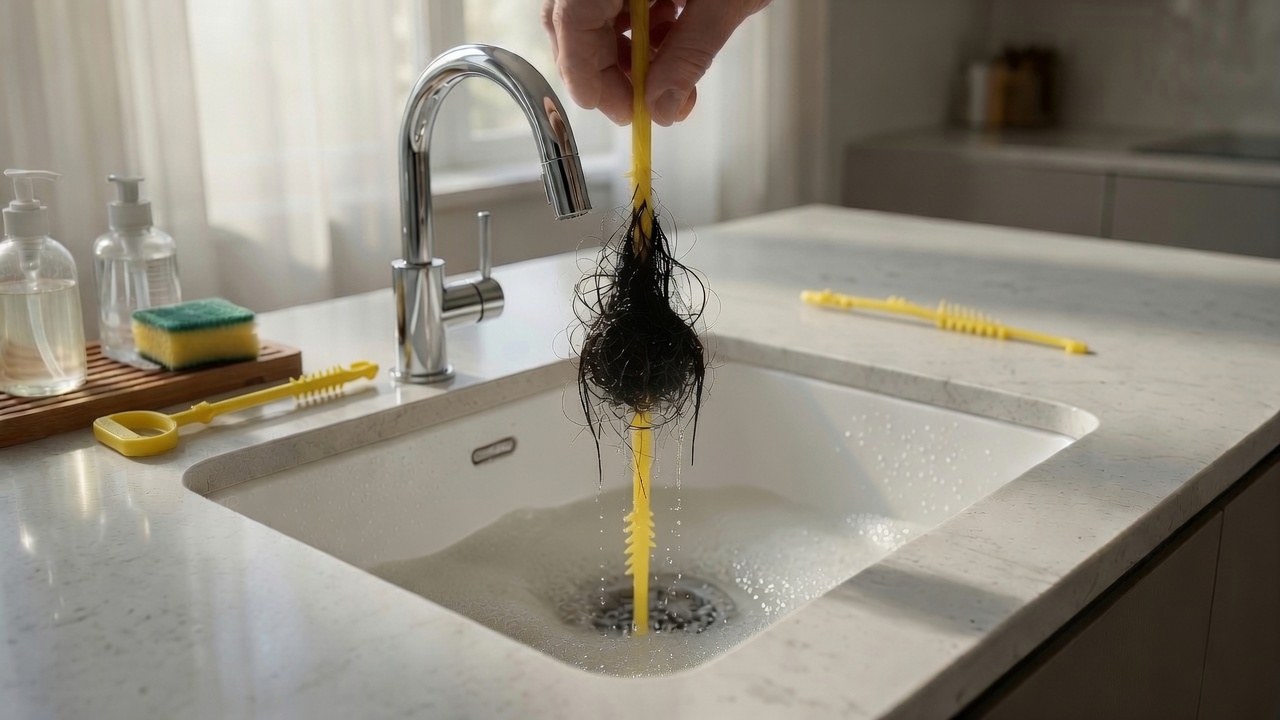
A long flat ribbon of plastic with little backward-facing teeth down both edges and a loop at the top for your finger. You feed it down past the stopper, push it as far as it cares to go, and draw it back out.
What comes up with it is the reason people photograph these things. It is genuinely revolting. It is also the most satisfying two dollars’ worth of work available anywhere in a house.
Feed it, pull it, throw it away or rinse it off, run the hot water. If the drain is moving again you are finished, and you have spent five dollars and four minutes on a thing that had a hundred and eighty dollars written on it that morning.
📦 Buy the Packet, Not the One
The trip to the store is the thing that stops people
They come several to a packet and cost about a dollar apiece. Put them under the sink now. A person who has to get in a car and drive somewhere in order to fix a slow drain does not fix the slow drain — he lives with it for another eight months and then telephones somebody.
🪣 The Bend Under the Sink
There is a step between the five-dollar strip and the twenty-five feet of steel, and it is worth knowing because it is often the whole answer.
Under every sink there is a U-shaped bend of pipe. That bend is called a trap, and it holds a cupful of water on purpose — that water is what stops the sewer smelling into your kitchen. It is also where a good share of clogs sit, because the bend is where everything slows down.
It comes apart by hand.
Put a bucket under it, because it is full of water and that water will not be nice. Undo the two big plastic nuts either side of the bend — by hand if the last person was kind, with tongue-and-groove pliers if he was not. The bend drops into the bucket. Clean it out, look through it at a light, put it back and hand-tighten the nuts.
Twenty minutes. No auger, no cable, nothing to buy.
🔍 What You Learn by Looking
Where the muck actually was
If the trap was packed, that was your clog and you are finished. If the trap was clean, the trouble is further along and now you know it before you have fed twenty-five feet of cable anywhere. Either way you have learned something, which is more than a bottle of chemicals will ever tell you.
⚙️ When the Strip Does Not Reach
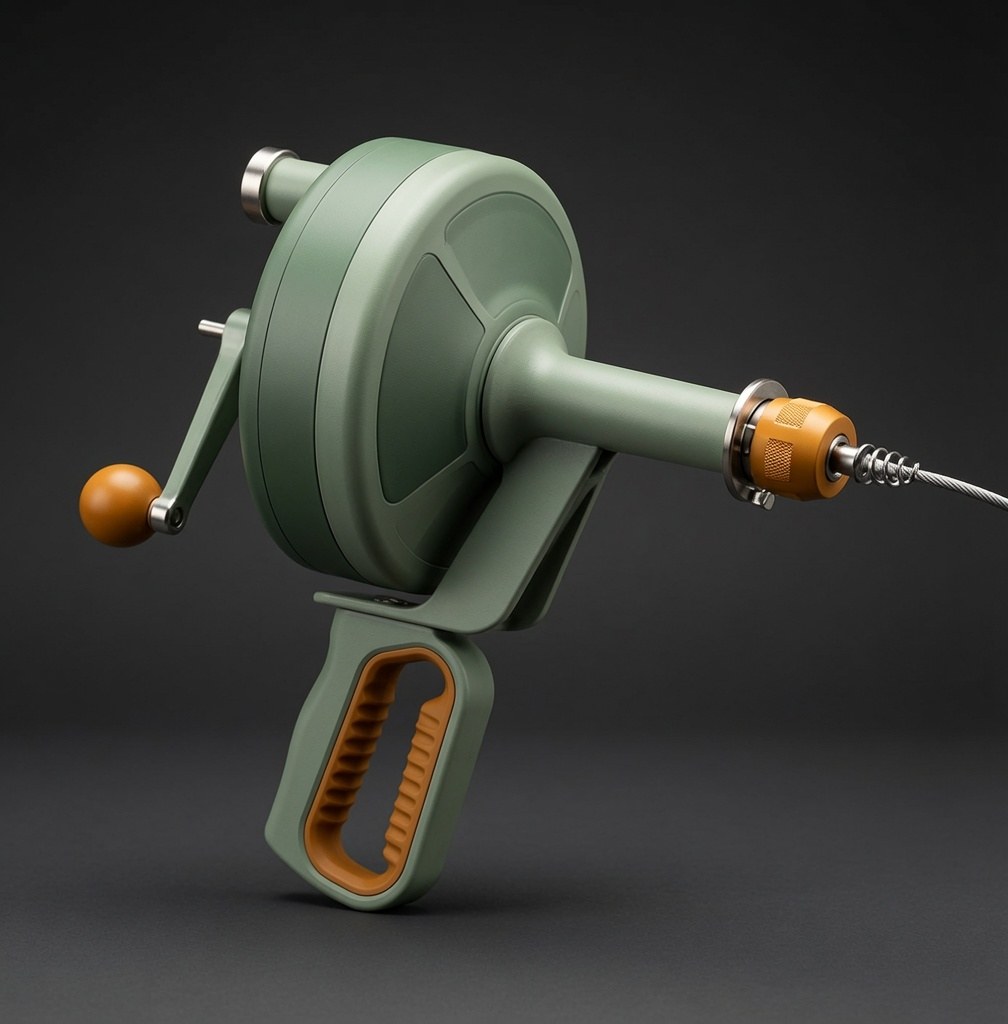
If the strip comes back clean and the drain is still slow, then the trouble is further down than your arm can reach, and now you want the second tool.
A drum auger is a canister with twenty-five feet of quarter-inch spring steel coiled up inside it. You feed the cable down the drain, and when it fetches up against the blockage you turn the crank, and the corkscrew on the end either bores through the thing or takes hold of it well enough that you can drag it back out.
Most of them will take a drill as well, which is a fine convenience and is also exactly where people get themselves into trouble.
Now I am going to be dull for a minute, and I would take it kindly if you let me. These four numbers are the entire difference between a tool that works and a tool that sits in your hand accomplishing nothing, and there is no charming way to say any of them.
📏 The Four Numbers
Cable 1/4 inch · Length 25 feet
Cable diameter: 1/4 inch. That is the household size, built for the 1-1/4 and 1-1/2
inch lines under a sink and the 2 inch line under a tub.
Cable length: 25 feet. Fifteen will do most jobs. Twenty-five costs a few dollars more
and reaches the rest of them.
Manual or drill: buy one that does both. Turn it by hand first. The hand tells you what
the cable has found down there, and a drill does not tell you anything at all.
Eye protection and gloves. The makers print this on the box and they are right about
it. That cable comes back out wet and filthy, and it whips.
There. Back to talking like people.
🏷️ The Same Tool in a Different Coat
Here is a thing worth noticing, and it is a good deal bigger than plumbing.
The same drum auger — the same quarter-inch cable, the same twenty-five feet of it, the same canister, the same corkscrew on the end — sells for around twenty dollars at a farm and ranch store and for something close to double that at a big home center, in a different color, under a different name.
It is not a better tool at the higher price.
There are only a handful of factories in the world turning these out, and they turn them out for everybody, and a fair portion of what you are paying for at the top of that range is a badge, a shelf position and somebody’s advertising budget.
Now I have to be honest with you about those figures, because this site does not print a price and then pretend it will hold still. Prices move, and they move the one direction, and the numbers in the paragraph above will be wrong sooner than either of us would care for.
What will not change is the spread.
Look in three places before you buy a tool this simple. The gap is real, it is large, and nobody is going to point it out to you at the register.
🔎 What to Compare
Cable diameter and cable length. That is the list.
Those two numbers are the tool. Everything else on the packaging — the color, the grip, the carrying bag, the pair of gloves thrown in — is paint. Two augers with the same diameter and the same length will clear the same clog whatever either of them cost you.
🛑 The Short List of Things to Leave Alone
The rest of this page is written to be enjoyed. This part is not, and it is going to stay that way, because everything on this list is a way for an ordinary afternoon to turn into something else.
Do not put an auger into a drain that has had chemical cleaner poured down it. If the cleaner did not work, that drain is now holding standing water with lye or acid in it. Running a cable into it throws that back at your face and your hands. If chemicals have been used and the water is still standing, stop, and tell whoever you call what is in there before they start work.
Do not reach for chemical drain cleaner first. It works some of the time, it is hard on older pipes, and when it fails it makes the job dangerous for whoever comes next — which is very often you, an hour later.
Wear eye protection and gloves. Every time. Whatever was down there comes back up on the cable.
Do not put a bare steel cable into a toilet. Use a closet auger with a boot on it.
If more than one fixture is backing up at once, stop. One slow sink is a clog in that fixture’s line. A toilet, a tub and a floor drain all misbehaving together is the main line, and that is not a hand-tool job.
If water appears where it has no business being — a floor drain, a shower pan when you flush the toilet, the base of the toilet itself — stop and call somebody. That is a sewer problem and not a hair problem.
Leave these alone entirely: anything that means opening a wall or a ceiling; gas water heaters; the main sewer cleanout; and any job where you would have to shut the water off to the whole house and are not perfectly certain you could get it back on again.
⚖️ Why This One Belongs on the List
Both of these tools will outlive you.
The barbed strips are a consumable and cost about a dollar each. The drum auger is a canister and a coil of spring steel — there is nothing in it to fail, and it will be lying in the same cupboard in thirty years working precisely as well as it does this afternoon.
Which makes it the argument of this whole site in one very small object.
At fifty you buy the auger because you would rather not spend a Saturday waiting on somebody.
At seventy-five you own it because getting somebody out has become harder, and the wait is longer, and the minimum charge is higher, and the fellow who used to come has retired and his boy charges differently.
Same twenty dollars. Same ten minutes. The only things that changed in between were the price of the alternative and how much say you had in the timing.
Buy the plunger with the collar on it. Buy a packet of the strips and put them under the sink. Buy the auger and put it somewhere you will find it in the dark.
Then forget about all three until the morning you need one, which is the entire point of owning anything.
Before You Close This Page
Go and open the cabinet under every sink in the house.
You are looking for three things and none of them costs a penny to check. Is there a little valve on each supply line, and will it turn by hand? Are the lines rubber or braided steel? Is the cabinet floor dry, and has it always been?
Ten minutes, a torch, and no tools. Most people have never once looked, and a fair number find something they are glad to have found on a Tuesday rather than a Sunday night.
That is the difference this whole site is arguing about. The same discovery costs you ten minutes today or a ceiling in four years, and the only variable is whether anybody looked.
Elsewhere on this site, if it is useful:

the forty small things that actually cost people their houses
Not the roof. Forty little jobs across eight years, every one of them reasonable to have put off.
Read the guide →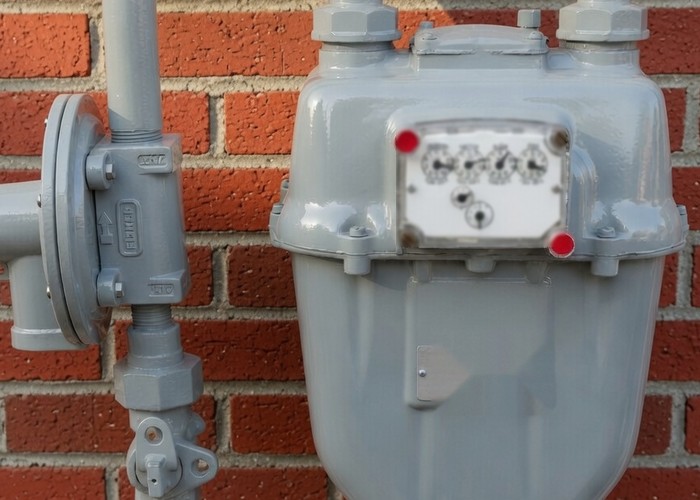
where the water, gas and electric shut off
Three valves, one afternoon, and the order of operations for going back into a flooded house.
Read the guide →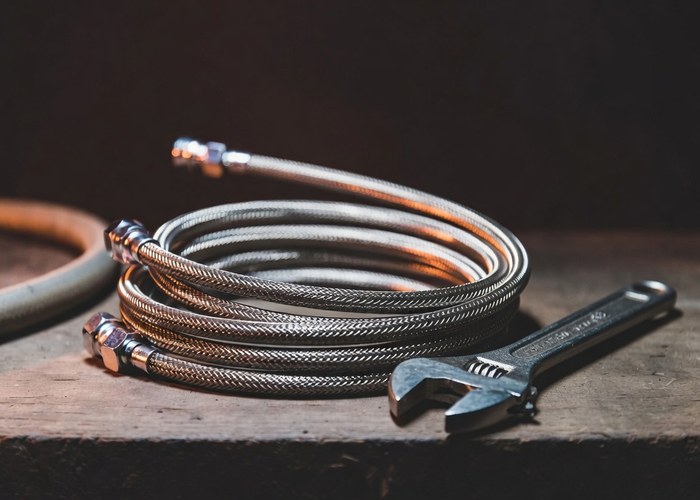
the quiet half — the ones that never announce themselves
The running toilet, the tap gone weak, the supply line getting older behind the washing machine, and the shutoff you have never turned.
Read the guide →
the repairs that pay for the whole toolkit
Five ordinary jobs that cost more to hire out, once, than every tool it takes to do them yourself.
Read the guide →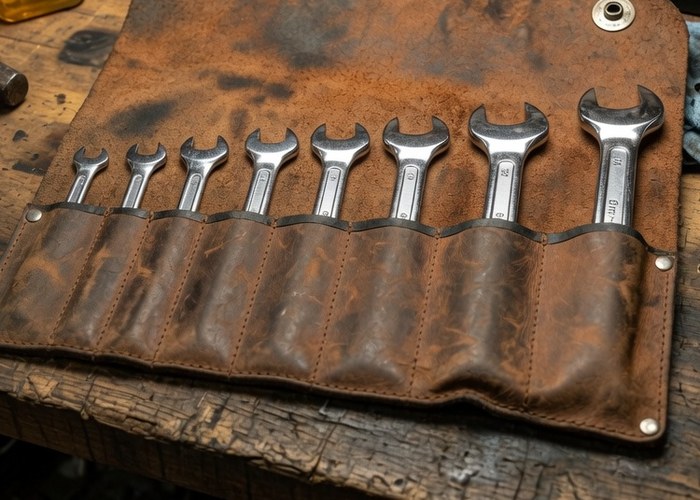
never mind the brand, these are the sizes
Which wrenches, which sockets, which screwdrivers. The sizes outlast every brand name on the shelf.
Read the guide →
the rest of the aging-in-place work, in order
Where the small repairs sit alongside the bathroom, the lighting and the doorways.
Read the guide →What This One Buys You
A Saturday that stays your own.
Not a grander house. A house where the ordinary small failures are yours to settle on the spot, at the hour they happen, without a telephone call, a minimum charge, or a wait until Tuesday. Twenty dollars of tools, bought years early, while they were cheap and nothing was wrong.