
The Notice Came First
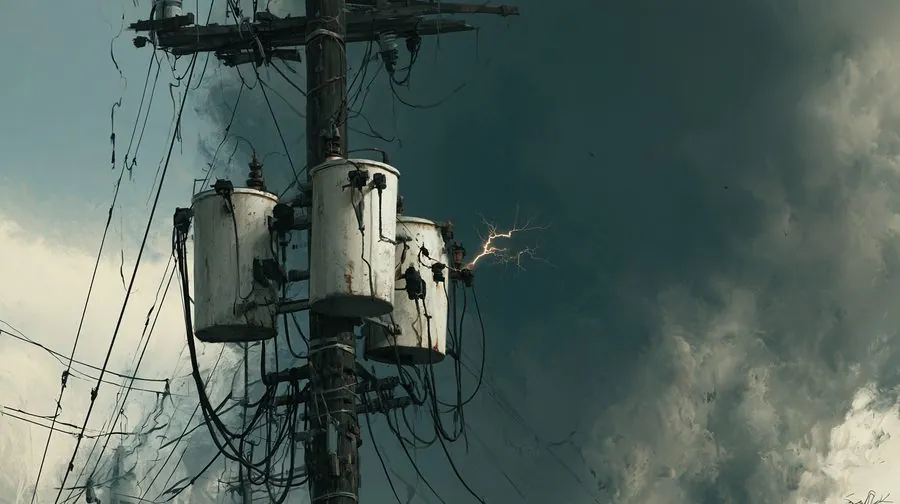

Raymond was 81 and he had kept his landline for exactly one reason: the day everything else stopped working, the landline wouldn't. His kids teased him about the monthly bill. He paid it the way you pay for insurance — happily, hoping to waste the money.
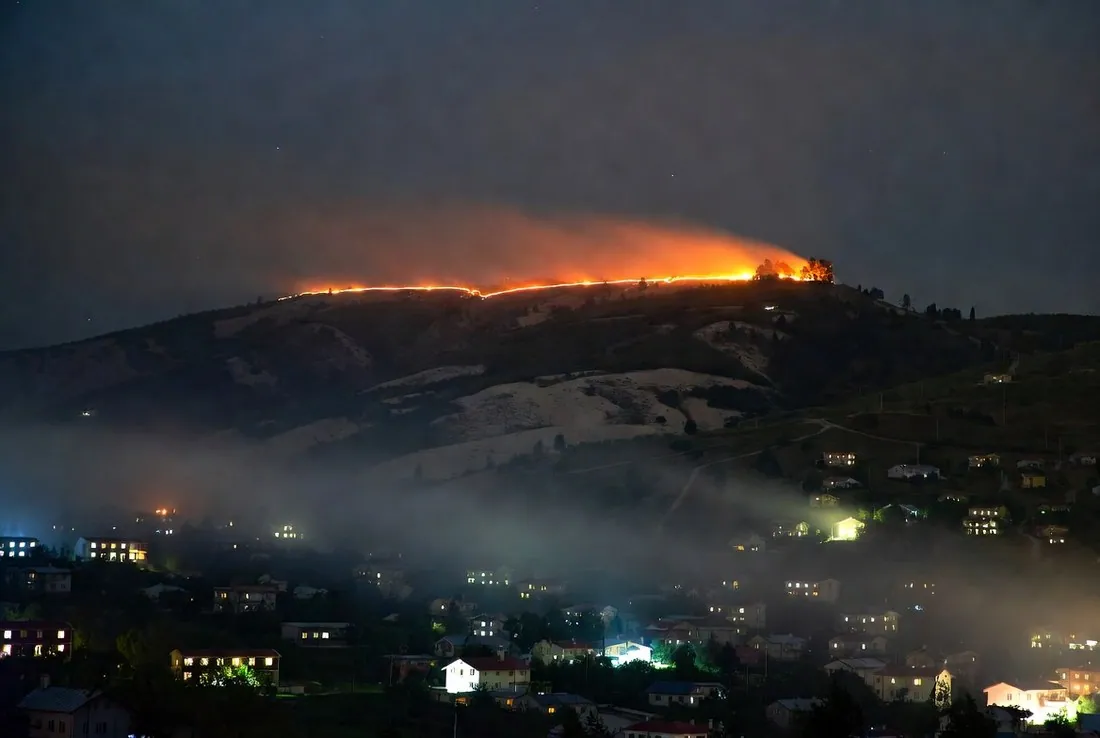
The shutoff notice came the way they do now: a text, then a recorded call, while the wind event was still a forecast. This was not a storm knocking his power out. This was the utility turning it off on purpose — a Public Safety Power Shutoff, the kind California utilities have run since 2019, cutting power through high‑fire‑risk hills before the wind arrives so a snapped line or a thrown branch can't start the next big fire. Raymond understood the reasoning. The reasoning did not make his house any less dark.
He did what a careful man does. He charged his cell phone to one hundred percent. He filled two thermoses with coffee. He set the flashlight on the kitchen table where his hand would find it. Then, mid‑afternoon, the house clicked quiet the way only a powerless house is quiet — no refrigerator hum, no furnace fan, nothing — and Raymond did the thing he had been planning for years. He picked up the phone in the living room to call his daughter and tell her he was fine.
Nothing. No dial tone. Not even static.
The Landline That Wasn’t
What nobody had ever told Raymond: his cordless handset was a plug-in appliance. The handset had a battery in it, sure — that battery talked to a base station on the counter, and the base station ran on wall power. The moment the outlet died, his landline died with it, sitting there fully charged and exactly as useful as a television remote.
He stood in the living room holding it for a while. Eighty-one years old, and the thing he had paid for every month specifically for this day had failed on this day, for a reason no phone company brochure had ever bothered to mention.
"I wasn't scared yet. I was insulted. I'd paid that bill for fifty years so it would work on exactly one kind of day. This was the day."
Emergency Calls Only
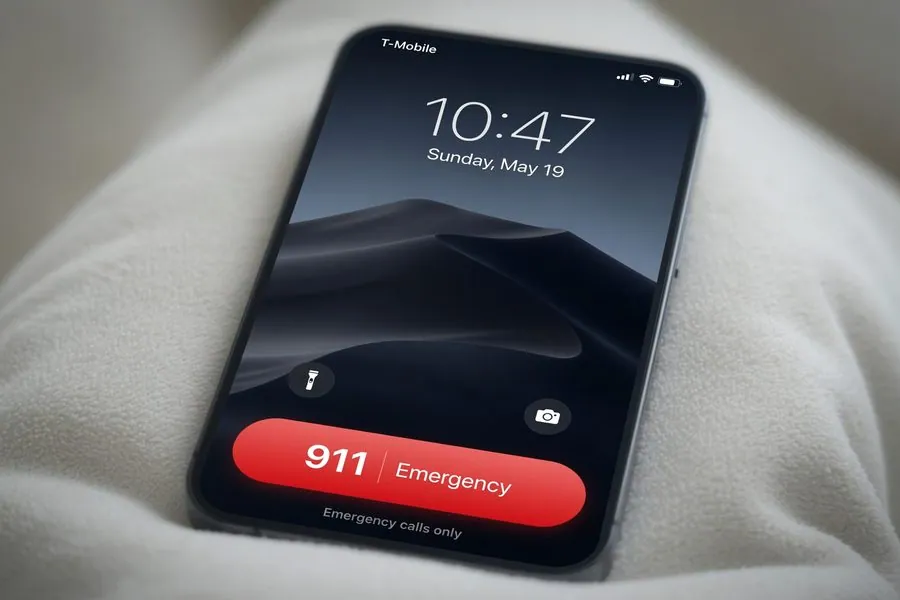
Fine — the cell phone. It worked that first evening, and Raymond kept the calls short to save the battery, the way a man raised by Depression survivors saves everything. By the next afternoon the screen read something new: Emergency calls only.
The cell towers on his ridge had lost grid power too. Towers carry backup batteries for exactly this, and one by one the batteries were doing what batteries do. His phone wasn't broken and neither were the towers — there was simply less and less network to stand on, and what remained was reserved for 911.
Two hundred miles away, his daughter was watching the shutoff maps on the evening news and calling a phone that rang in no room anywhere. She called his neighbors. Their phones were in the same shutoff. She started doing the math on a five-hour drive. A day and a half of that — for both of them.
"People talk about being without power. Nobody warns you about being without reach. The dark I could handle. Not being able to tell my daughter I was fine — that was the part with teeth."
The Bottom Drawer
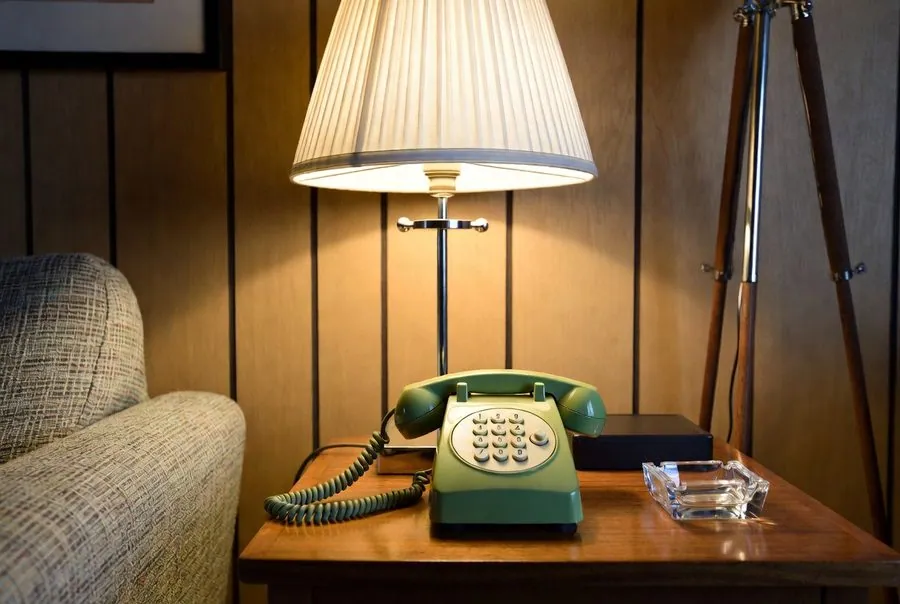
What ended it was in the bottom drawer of the hall table, underneath the phone books he also refused to throw out. The corded phone from the old kitchen — the avocado-green one with the curly wire, retired in 1998 when the cordless set arrived, kept because throwing away a working telephone felt wrong to a man raised by people who fixed things.
A corded phone doesn't need an outlet. It never has. On a true copper phone line, the wall jack itself carries enough current to run it — sent down the wire from the phone company's own building, which has backup generators the size of trucks. That little trickle of power has ridden along the phone line since before Raymond was born. It does not care what the power company shut off.
He plugged the curly-wire phone into the wall jack. Dial tone — loud, flat, beautiful. He called his daughter, and the first thing she said wasn't hello.
"Twenty-eight years in a drawer, and it worked before the flashlight did. My granddaughter asked what it was. I told her it's the phone that doesn't need anybody's permission."
The Part You Should Hear Plainly
This trick has one condition, and you need to check it on a sunny day, not during a shutoff: it only works if your "landline" is a true copper phone line.
Millions of homes now get their home phone through the internet — a cable modem, a fiber box in the garage or closet, a "digital voice" service bundled with TV. Those phones die with the power just like Raymond's cordless base did, unless the box they run through has its own battery backup — and phone companies have been steadily retiring old copper lines and moving customers onto these newer systems, sometimes without the customer ever really registering the change.
Finding out which kind you have is one phone call to your provider: "Is my home phone a traditional copper landline, or does it run through the internet or a fiber box?" If it's copper, a corded phone in a drawer is real backup. If it's not, ask them what battery backup is available for the box — many providers offer one — and treat your cell phone plan accordingly.
📊 The Real Numbers
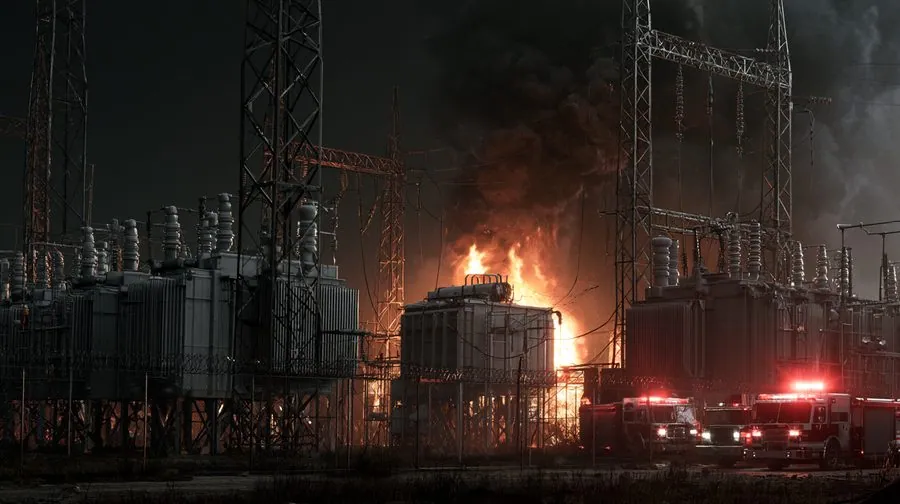
Raymond is invented. Everything in this box is not. These are the documented facts behind every story like his, each linked to its source at the bottom of the page.
⚡ What Actually Happened — Documented
Your Plan — The Buy It At 50 Version
A corded phone costs less than lunch, needs no battery, no charger, no app, and lasts forty years in a drawer. Here is the whole plan, in the order to do it.
✅ Do These On A Sunny Day
Raymond's daughter drove up two weekends later anyway. She found the corded phone back in the bottom drawer, on top of the phone books now, and a note in her father's handwriting taped to it: works when nothing else does. That's the whole site, really, in five words — the good tool, bought for almost nothing, waiting in a drawer for the day it's the only thing that works.
This story is a composite illustration — Raymond is not a real person and these specific events did not happen. The documented facts in The Real Numbers section are real: the October 2019 shutoff's scale was reported by Utility Dive and CapRadio; the $106 million penalty and notification failures by CBS News San Francisco; shutoff mechanics, Medical Baseline rules, and restoration timelines from PG&E, Southern California Edison, and EWEB; neighbor-check guidance from the Marin County Office of Emergency Management. For official senior preparedness guidance, visit FEMA Ready.gov Senior Preparedness.
📖 The Other Stories
Other people, other outages, the same few hours that decided everything.