Which Medicines This Page Is About
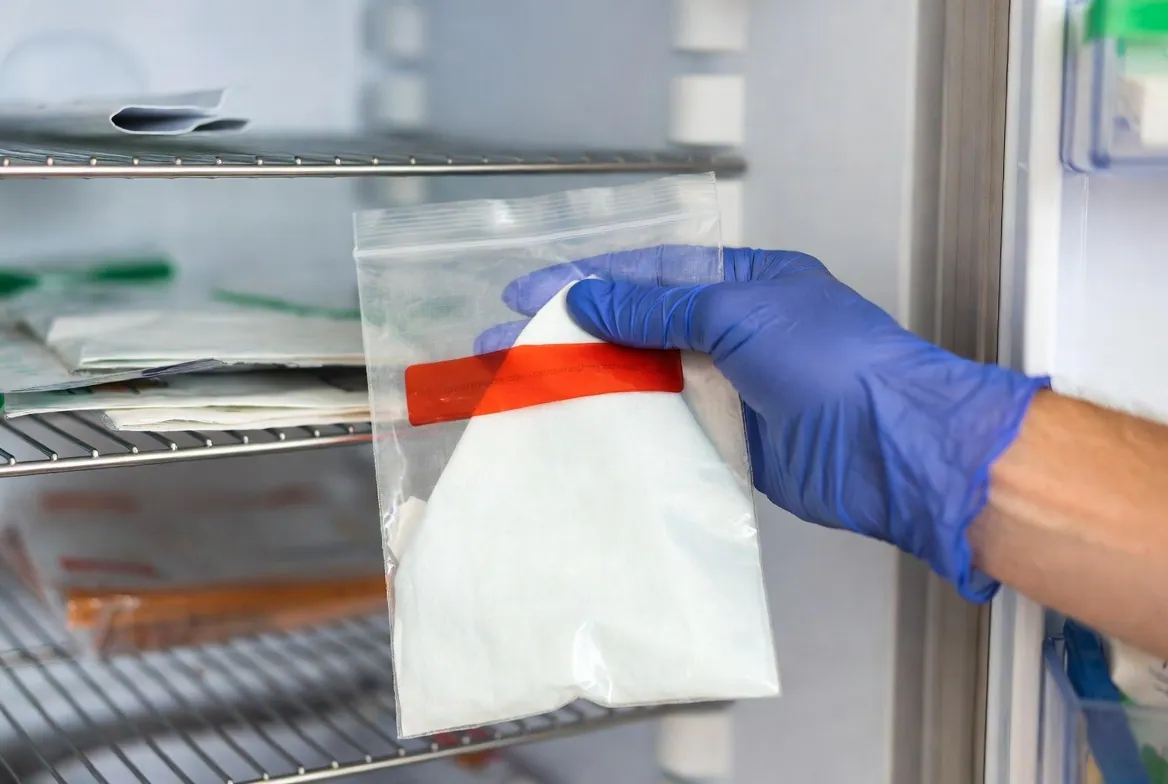
The cold-chain shelf is bigger than most people think. Insulin is the famous one. But the same fridge rules or similar ones apply to many injectable pens (including the weekly diabetes and weight-management injections millions now take), many biologics for arthritis, psoriasis, and Crohn's, certain eye drops, liquid antibiotics, some thyroid and hormone preparations, and a scattering of others that surprise people — which is exactly why the first step of this plan is not a purchase. It's a conversation.
The pharmacist is the hero of this page. Bring your list — every prescription, every injectable — and ask three questions: Which of mine need refrigeration? What does the manufacturer say about time out of the fridge? And what should I do if the power goes out for days? Write the answers on a card and tape it inside the medicine cabinet. That ten-minute conversation, had in calm daylight in May, is the difference between a plan and a panic. Your doctor gets the same question at your next visit — some medications have specific replace-or-discard rules, and the person who prescribed them is the one who knows.
The Actual Numbers — Longer Than You Fear, Shorter Than You Hope
Here's what FDA emergency guidance actually says about insulin, the medication this problem centers on. The label calls for refrigeration at roughly 36–46°F, where unopened insulin keeps its potency to the expiration date. But in an emergency, insulin in the manufacturer's vials or cartridges — opened or unopened — may be kept unrefrigerated between 59–86°F for up to 28 days and continue to work. Twenty-eight days. For most outages, the fridge dying does not mean the insulin dying — what it means is the clock has started, and your job is to keep it cool and count the days.
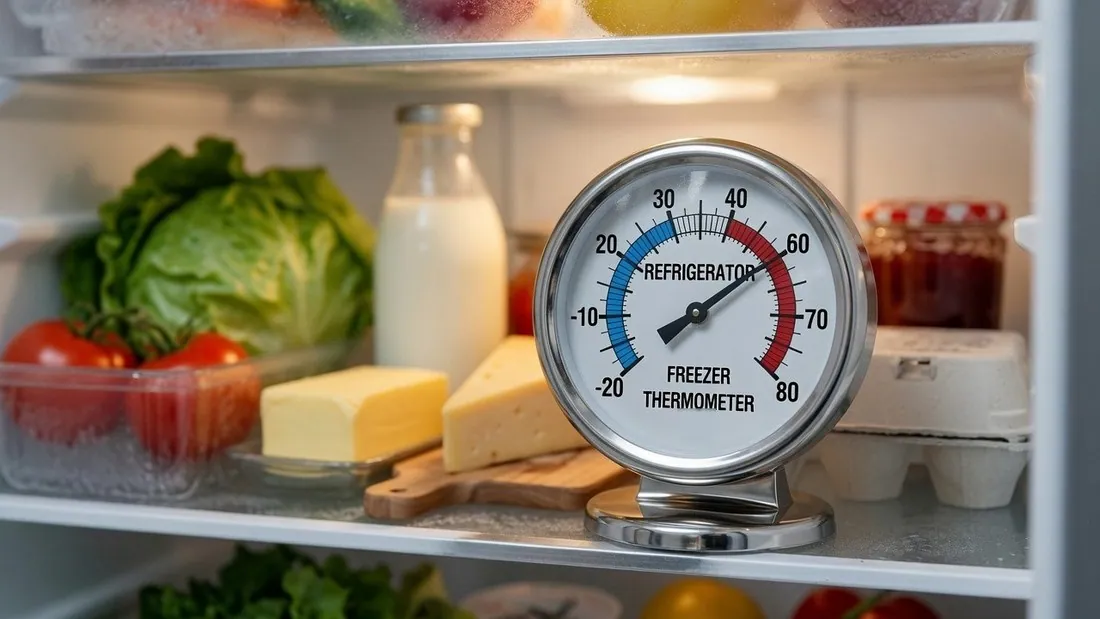
The same guidance draws the hard lines: extreme heat degrades insulin — the longer and hotter the exposure, the more effectiveness it loses. Frozen insulin is ruined insulin — never use insulin that has been frozen, which is why vials never sit directly against ice. Keep it out of direct sun and away from heat.
And once proper refrigeration returns, FDA guidance says vials that went through extreme conditions should be discarded and replaced as soon as possible — the outage plan buys you the emergency, not a new normal. One more line worth taping to the fridge: these are the general federal emergency numbers — your products may differ (some pens carry shorter windows, some must stay refrigerated), which is why the pharmacist conversation in step one outranks everything else on this page.
The Layered Plan — Four Lines of Defense
Layer 1: The closed fridge. The moment the power fails, the refrigerator becomes a cooler that's already cold — and the rule is the same one from our food spoilage guide: keep the door shut and it holds safe temperatures for about four hours. For the majority of outages in America, Layer 1 is the whole event. Tape a note to the door if you have to: don't open, medicine inside.
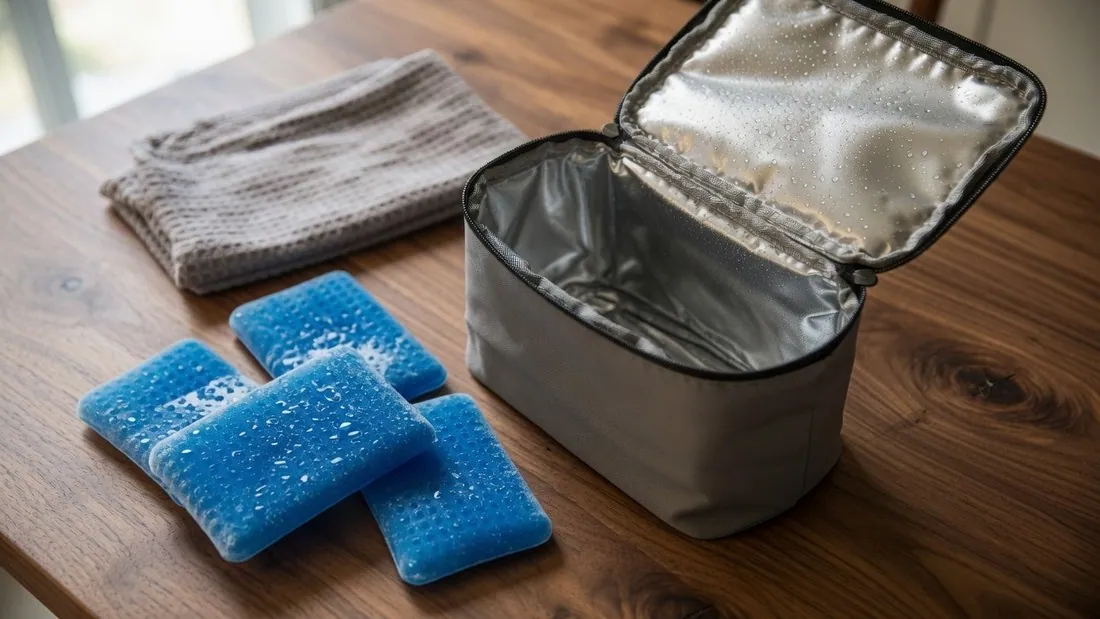
Layer 2: The cooler and the frozen jugs. For the outage that outlasts the fridge, the answer has been in your garage all along: a decent cooler and two or three frozen water jugs from the freezer — the same jugs our hurricane pages have you keep frozen all season. Jugs beat loose ice for medicine: they melt slower, they don't make a water bath, and they hold a gentle cold instead of a freezing surface. Medicine rides wrapped in a towel, never touching the jugs — remember the hard line: frozen insulin is ruined insulin. See the Coleman Xtreme 50-Quart (affiliate link).
Layer 3: The thermometer that ends the guessing. The whole plan turns on one $12 tool: a digital refrigerator thermometer with min/max memory. One lives in the fridge now — so you know your baseline — and it moves into the cooler during an outage. The min/max memory answers the only question that matters when you weren't watching: how warm did it actually get in there? No guessing, no smelling, no hoping. A number, and the pharmacist's card from step one to compare it against. See the AcuRite fridge thermometer with min/max (affiliate link).
Layer 4: Powered cold. For hurricane country, where outages run a week, cold becomes a power problem — and it plugs straight into this site's generator-as-charger strategy: run the small generator in the daytime window, pull the refrigerator back down cold, top up every battery in the house, and let the sealed fridge coast overnight. Purpose-built backstops exist too: portable medication coolers that run on 12V car power or battery packs, travel insulin cases, and evaporative cooling wallets that need nothing but water — the humble technology that keeps in-use insulin below room-temperature limits with zero electricity. See powered med coolers · evaporative cooling wallets such as the FRIO (affiliate links).
And the paper layer that catches everything else: refill early when a storm is named — your pharmacist can tell you what early-refill options exist for you and how they work. That question belongs in the same May conversation, right next to the 90-day supply strategy that keeps the rest of the cabinet deep.
The Night the Fridge Went Quiet
⚠️ A Story, and Then the Facts
Your Checklist — Done Once, Good Every Season
✅ The May Conversation and the Garage Shelf
That's the whole plan: one conversation, one thermometer, one cooler, frozen jugs, and a decision made in daylight. Ask the question now — as a theoretical question. Not at hour 36.
Temperature guidance on this page is drawn from the FDA's Information Regarding Insulin Storage and Switching Between Products in an Emergency (refrigeration at 36–46°F; up to 28 days unrefrigerated at 59–86°F for manufacturer vials and cartridges; never use frozen insulin; discard and replace heat-exposed vials once refrigeration returns). The closed-refrigerator four-hour figure reflects standard federal food-safety outage guidance as covered in our food spoilage guide.
The Katrina medication statistic (48.4% of evacuees with chronic disease lacked their medications) is from a published study of Katrina evacuees (PubMed). The story above is a composite illustration — no real persons or events. This page is not medical advice: your products' storage rules may differ from the general guidance here, so follow your pharmacist, your prescriber, and the manufacturer's label — in that conversation, they outrank us, and we say so gladly.
❓ Plain Answers
The short version of this page, one question at a time — the answer is always the first line.
How long can insulin stay out of the fridge during a power outage?
FDA emergency guidance says insulin in the maker's vials or cartridges may be kept unrefrigerated at 59 to 86°F for up to 28 days and continue to work. That covers opened or unopened insulin, but your own products may differ, so ask your pharmacist.
Can I use insulin that has been frozen?
No, FDA guidance says insulin that has been frozen must not be used. That is why insulin in a cooler should be wrapped in a towel and never touch the ice or frozen jugs.
How long does a closed refrigerator stay cold enough for medicine when the power goes out?
A closed refrigerator holds safe temperatures for about four hours if the door stays shut. For the majority of outages in America, that is the whole event, so tape a note to the door.
How do I keep insulin cold in a cooler without power?
Keep insulin cold in a cooler with two or three frozen water jugs, wrapped in a towel so the medicine never touches the jugs. Jugs melt slower than loose ice and hold a gentler cold.
What should I ask my pharmacist about refrigerated medicine and power outages?
Ask your pharmacist which of your medicines need refrigeration, how long they can be out of the fridge, and what to do if the power goes out for days. Write the answers on a card, and ask your doctor the same.
What kind of thermometer do I need for refrigerated medicine?
A digital refrigerator thermometer with min/max memory, about $12, shows how warm the fridge or cooler actually got while you were not watching. Keep it in the fridge now and move it into the cooler during an outage.