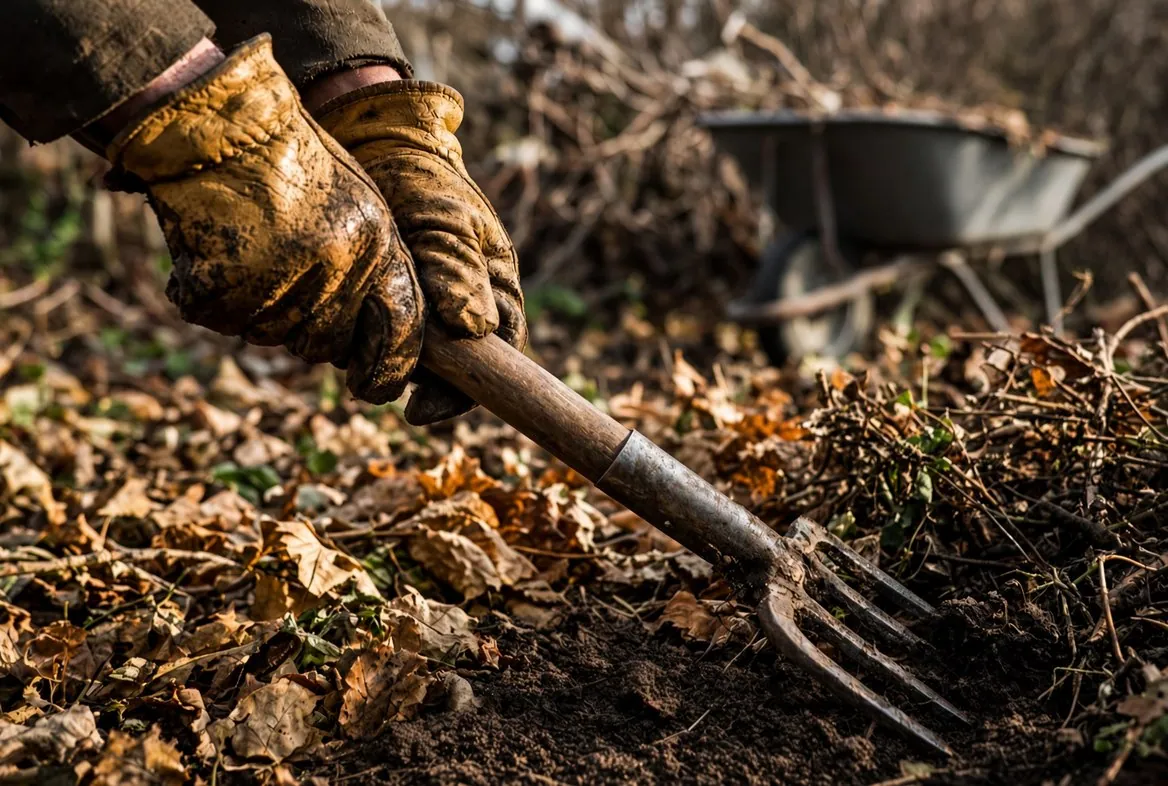
At 70, Gloves Matter More — Not Less

Here's the part nobody puts on the glove package: your skin is aging faster than your willingness to work. With age, skin gets thinner and drier, loses the fat cushion underneath it, and heals more slowly — which means the same brush pile, the same splintered board, the same slipped wrench that would have left a red mark at 40 leaves a tear at 70. Wound researchers count roughly 1.5 million skin tears a year in the United States, with millions more at high risk as the population ages, and the clinical literature says the quiet part plainly: these injuries are usually accidental and often preventable.
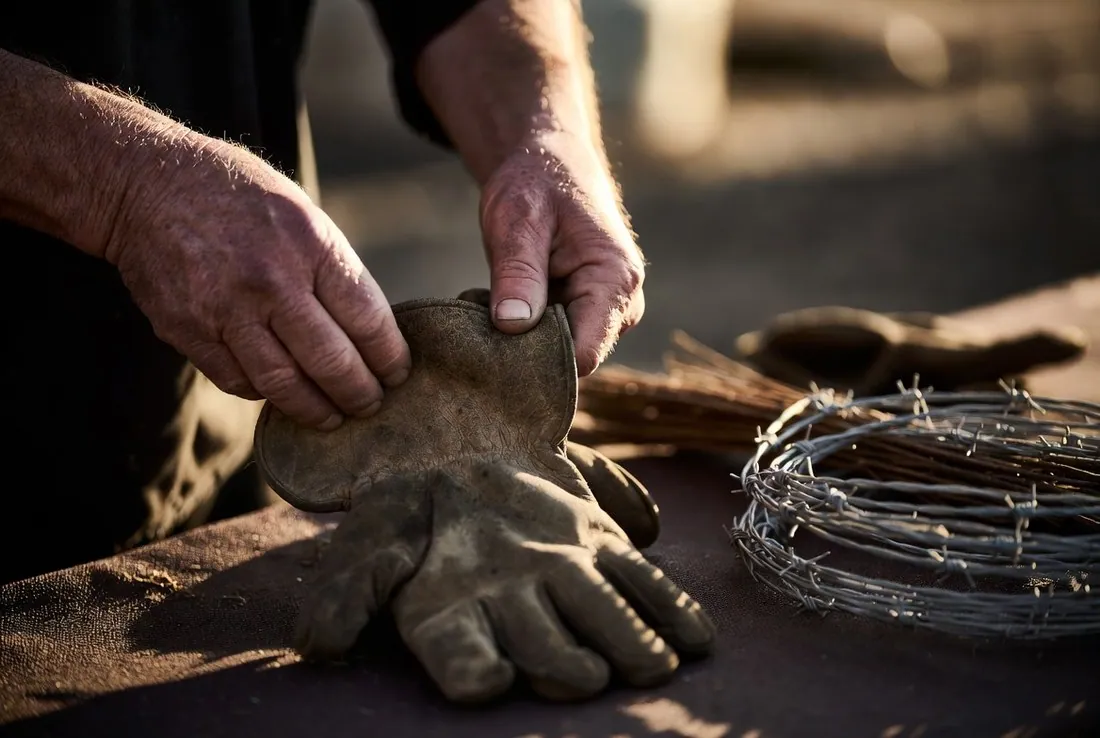
Preventable is the whole point of this page. A skin tear on a thinning forearm or hand isn't a Band-Aid event — it can take weeks to close, and it takes you out of the garden, the garage, and the driveway while it does. Two dollars of leather between your hand and the work is the difference. That's not caution talking; that's arithmetic.
📊 The Documented Facts
The Price Argument — Cheap Today Is the Whole Strategy
This site's name is a purchasing philosophy, and gloves might be its purest example. A good pair of leather work gloves costs about what lunch costs, lasts for years of weekend work, and — stored dry in a drawer — keeps essentially forever. Leather doesn't expire, doesn't need a battery, and doesn't get discontinued. Every year you wait, the same pair costs a little more; the pair you buy today is the cheapest that pair will ever be.
So don't buy one. Buy a couple of pairs of each kind you actually use. One lives where the work happens, one lives in reserve, and when the working pair finally wears through — and a working pair should wear through; that's the leather doing its job instead of your skin — the reserve pair steps up and you buy the new reserve at whatever that year's price is. You'll never stand in a store at 78 paying top dollar with a project waiting at home.
The Kinds — And How Many Pairs of Each
1. General leather work gloves (cowhide) — three pairs. The backbone of the drawer: brush piles, lumber, fencing, hauling, anything with splinters or edges. One pair in the garage, one in the garden shed, one behind the seat of the truck — the same place Grandpa kept his. Cowhide takes abuse and shrugs it off. See the Wells Lamont cowhide gloves → By name: Wells Lamont cowhide leather work gloves with an adjustable wrist. (affiliate link).
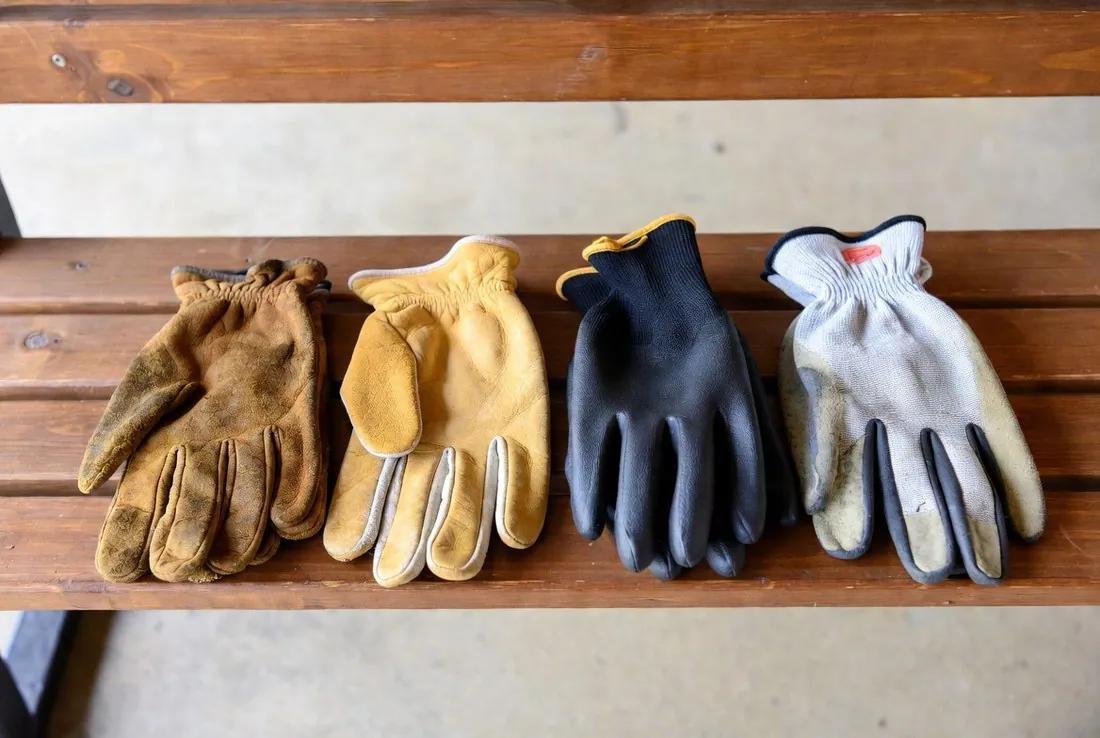
2. Goatskin dexterity gloves — two pairs. Thinner, softer leather that lets your fingers feel the screw, the wire, the small part. This is the pair for work where thick cowhide makes you clumsy — and a clumsy glove is a glove that comes off, which defeats the whole page. See the Wells Lamont goatskin gloves → By name: Wells Lamont full-leather goatskin gloves with a reinforced palm. (affiliate link).
3. Nitrile-coated knit gloves — a six-pack. The modern workhorse: a stretchy knit glove dipped in grippy rubber. Cheap enough to buy by the bag, snug enough for real dexterity, washable, and perfect for weeding, potting, sorting, and light shop work. These are the gloves that get loaned out and lost — which is exactly why you buy six. See the Atlas 370 12-pack → By name: the Showa Atlas 370, a thin nitrile-palm work glove, in a 12-pack. (affiliate link).
4. Thorn gauntlets — one pair. Goatskin gloves with a long cuff to the elbow, built for roses, blackberries, citrus, and anything else that fights back. If you planted from our fruit trees and berries guide, this is the pair that guide assumed you owned. See the MAGID rose gloves → By name: the MAGID Professional Rose Pruning Gloves, with an extra-long forearm guard. (affiliate link).
5. Chemical-resistant rubber gloves — one pair. For the jobs leather should never touch: heavy cleaners, pool chemicals, oil, degreaser, drain work. Aging skin absorbs and reacts to what younger skin shrugged off — keep one long-cuff rubber pair hanging by the utility sink and let it take the chemistry. See the Atlas 772 → By name: the Showa Atlas 772, a 26-inch elbow-length nitrile glove made for chemicals. (affiliate link).
6. Disposable nitrile — one box of 100. Painting, staining, glue, greasy small jobs, and every messy task where you want your hands back clean in one pull. A box lasts a year or two and costs less than one tube of good caulk. See MedPride nitrile, 100 → By name: MedPride powder-free nitrile gloves, 100 to the box. (affiliate link).
7. Leather heat gloves — one pair. For the grill, the fire pit, and the wood stove — long-cuff leather that lets you move a hot grate without the oven-mitt fumble. (These are for handling hot things at arm's length, not for reaching into fires — nothing on this page argues with a flame.) See the G & F heat gloves → By name: G & F Products leather heat-resistant gloves with Kevlar stitching. (affiliate link).
8. Insulated winter work gloves — one pair, climate permitting. Cold hands are clumsy hands, and clumsy hands get hurt. If your winters mean anything at all, one insulated waterproof pair covers snow shoveling, cold-garage projects, and the January dog walk. See the Carhartt insulated glove → By name: the Carhartt Waterproof Insulated Knit Cuff Glove. (affiliate link).
Every Hand That Helps You
Now the part of this page that matters most, and the reason the card on our homepage says buy several pairs instead of buy a pair. The work at your place doesn't just use your hands. It uses your wife's hands when she's holding the other end of the board. It uses your grandkids' little hands when they're "helping" carry sticks to the pile — and their skin is the only skin on the property softer than yours.
An oversized loaner glove is not protection — a glove that's too big slips, snags, and comes off at exactly the wrong moment. So buy real sizes: a couple of pairs in women's sizing for her, and kid-sized garden gloves for every grandchild old enough to want a job. Write the name inside the cuff with a marker. There is no cheaper way on this entire website to tell somebody you expected them, and gloves with your name in them do something no loaner ever does: they make a seven-year-old feel like part of the crew instead of a visitor. See the Wells Lamont women’s HydraHyde gloves and kids' garden gloves on Amazon (affiliate links).
Then make it a house rule, said once and meant: nobody helps bare-handed at this house. Hang a row of hooks by the garage door or keep one bucket where the gloves live, and the rule enforces itself — the gloves are closer than the excuse.
Your Plan — One Order, Covered for Years
✅ The Glove Drawer, Done Once
A drawer of gloves bought at today's prices, in everybody's size, hanging where the work starts. Not glamorous — you've heard that one before — and the first time a grandchild pulls on the pair with their own name inside, you'll know exactly what you actually bought.
The statistics on this page are drawn from published research: skin-tear incidence and risk figures (about 1.5 million U.S. skin tears annually, an estimated 8.1 million at high risk by 2030, and 14–24% prevalence among older adults) and the description of age-related skin changes from a systematic review and meta-analyzis in Geriatric Nursing (ScienceDirect); clinical guidance that skin tears are usually accidental and often preventable from WoundSource. Nothing on this page is medical advice — a skin tear or deep cut that won't close belongs in front of a doctor, not under a glove.
❓ Plain Answers
The short version of this page, one question at a time — the answer is always the first line.
Why should older people wear work gloves?
Older skin gets thinner and drier and heals more slowly, so a scrape that left a red mark at 40 can leave a tear at 70. Skin tears are usually accidental and often preventable, and gloves are the prevention.
How many skin tears happen each year?
About 1.5 million skin tears happen each year in the U.S., according to a systematic review in Geriatric Nursing. The same research estimates 8.1 million Americans at high risk by 2030.
What kind of work gloves should I keep at home?
Most homes need five or six of eight kinds of work gloves: cowhide, goatskin, nitrile-coated knit, thorn gauntlets, chemical-resistant rubber, disposable nitrile, leather heat and insulated winter. Check which ones your own work actually uses.
How many pairs of work gloves should I buy?
Buy two of each kind of work glove you actually use, one working pair and one reserve. Stored dry, leather gloves keep for decades, and the whole drawer runs about $60–$120.
Should grandkids wear their own size gloves when they help?
Yes, grandchildren and other helpers should wear gloves in their own size, because an oversized loaner glove slips, snags and comes off at the wrong moment. Write each person's name inside the cuff with a marker.