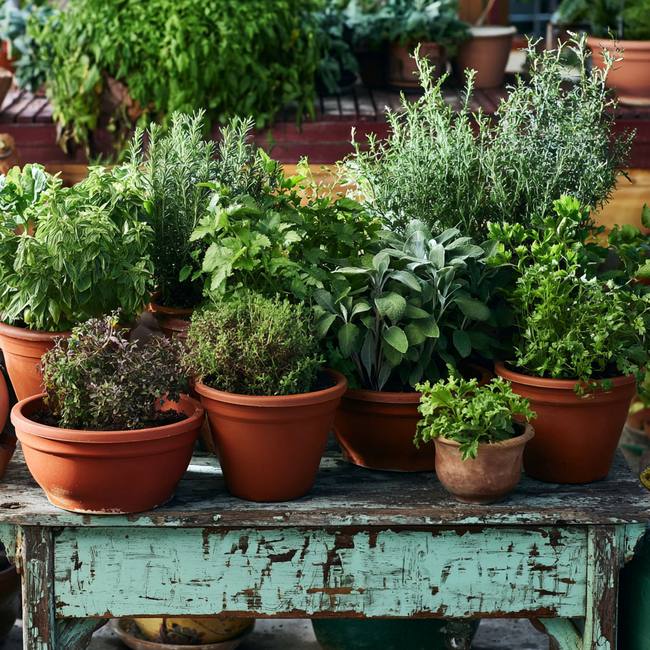
Dorothy spent thirty-one years as a hospital nurse. She knows what sodium does to blood pressure, what blood pressure does to arteries, and what arteries do to a 67-year-old woman who wants to be able to walk her grandchildren to the park at 75. She understood all of this in the abstract for three decades before her own doctor sat her down at 64 and made it personal.
"He wasn't alarming about it. He just said, watch the sodium. Cut it back. I knew what that meant. I'd told patients the same thing a hundred times. I always kind of thought they weren't trying hard enough." She pauses. "Then I went home and looked at what was in my kitchen."
“The garlic salt. The seasoned salt. The Italian seasoning. The packet mixes I used for everything. I sat there reading labels for about an hour and I thought, I have been salting myself to death and calling it cooking.”
— Dorothy, 67, retired RN, Tampa, FLShe didn't go looking for an herb garden. She went looking for flavor. The problem with reducing sodium isn't that you're eating less salt — it's that most of what we call flavor in processed food and commercial seasoning mixes is just salt in disguise. Strip it out and food tastes flat, and flat-tasting food means you either give up on the diet or you start adding other things to compensate.
Dorothy's solution started with a single rosemary plant from a nursery near her house in Tampa. She put it in a terracotta pot on her screened lanai, which faces south and gets sun most of the day. Within three weeks she was using fresh rosemary on chicken and roasted potatoes and realizing that rosemary on a potato is a completely different experience than the dried rosemary from a jar she'd had in her spice rack for an unknown number of years.
How Twelve Pots Happened
The rosemary was followed by thyme, then sage, then a pot of basil when the weather got warm enough. By the end of the first summer she had five pots and had learned the hard way that basil and rosemary want different things from their soil — basil wants moisture, rosemary wants to dry out between waterings. The thyme and sage, both Mediterranean herbs, sided with the rosemary.
"I read everything I could find. The Extension office near me had a guide. I learned that most of the herbs I was growing actually do better in dry soil and that overwatering is the main way people kill them." The University of Florida IFAS Extension, which covers her part of the state, has publications specifically on herb growing in Florida's climate — a different challenge than growing herbs in Ohio or Washington, because Florida's summer heat and humidity put stress on Mediterranean herbs that aren't adapted to it.
She learned to move her rosemary to partial afternoon shade in July and August. She learned to water in the morning, not the evening, so excess moisture evaporates during the day rather than sitting overnight encouraging fungal problems in the humidity. She lost one thyme plant in her first summer, figured out why, and the second one is still alive two years later.
“The parsley went in because I was using it in everything and paying four dollars every two weeks for a bunch that was half wilted when I got it home. I planted one pot of parsley. I haven't bought parsley since March of 2023.”
— DorothyThe mint went into its own separate pot after she read that it would take over any container it shared with anything else. The chives joined. Then a second basil pot when she realized one wasn't keeping up with her summer cooking. Then oregano, which turned out to be nearly indestructible and extremely productive on her south-facing lanai. Then a small pot of dill specifically for the cucumber salads she makes from her neighbor's garden.
Twelve pots. None of them are more than fourteen inches across. They take up roughly eight feet of lanai railing and a small folding table. Total space: the footprint of a large couch.
What the Sodium Reduction Actually Did
Three years into growing her own herbs, Dorothy's blood pressure is down. Not dramatically, not medication-replacingly — she's still on a low-dose antihypertensive and plans to stay on it. But her readings are consistently better than they were at the 2023 appointment that started all of this. Her doctor has commented on it twice.
"I don't want to overstate the herb garden's role in that. I also walk more. I stopped eating at the lunch spot near my old hospital on reflex even though I've been retired for two years. Multiple things changed." She thinks about it. "But the flavor thing is real. If your food tastes good without salt you don't reach for the shaker. That's not nothing."
What she reaches for now is scissors. A small pair of garden scissors that live in a cup near her lanai door. She goes out in the morning — she is specific about morning, she learned from an Extension publication that oils are highest in the morning after the dew dries and before the afternoon heat — clips what she needs, and comes back inside. The whole operation takes about ninety seconds.
“I used to think growing your own herbs was something people did to feel like they were doing something. Now I think not doing it is something people do to stay dependent on the grocery store for their flavor. It’s not the same thing.”
— DorothyThe Part That Surprised Her
Dorothy expected the health benefit. She is a nurse; she had read the literature on herbs and antioxidants and knew that fresh herbs have documented properties that dried herbs have in lesser concentrations. What she did not expect was how the lanai felt different once it had twelve growing things in it.
"I have lived in this condo for nine years. The lanai was a place to put things I didn't have room for inside. A folding chair nobody used. A box of stuff I kept meaning to go through. It was wasted space." The herbs changed that. She sits out there now. In the morning when she clips. In the late afternoon when Tampa cools down slightly. Sometimes just to look at things that are alive and growing and producing something useful.
She has given cuttings of her rosemary to three people in her building. One of them, a 74-year-old man on her floor who had never grown a plant in his life, now has a pot of rosemary on his own lanai that he reports is doing fine. He sends her a text every few weeks to update her. She considers this a successful outcome.
What She Would Tell Someone Starting Out
She thinks about this carefully before answering. "Start with rosemary and thyme if you're in Florida or the South. Both are perennials. Both will survive you making mistakes. Rosemary in particular, once it gets established, is hard to kill. Put them in terracotta pots because the clay lets them dry between waterings the way Mediterranean herbs want. Put them where they get morning sun. And then just leave them mostly alone."
She would not start with basil. "Basil is not a beginner's herb in Florida. It wants moisture and it bolts in the heat. It's not difficult exactly but it's demanding. Start with the ones that want to live and learn on those."
On the sodium reduction question, she is pragmatic. "Ask your doctor. I'm not giving medical advice. But if you're on a low-sodium diet and you're eating bland food because of it, the problem might not be the diet. The problem might be that you don't have any other way to add flavor. That's a solvable problem."
🌿 Dorothy's current lanai setup: Rosemary (3 years old, same plant), thyme (2 years, replaced once), sage (2 years), oregano (2 years, extremely productive), two pots of basil (replanted each warm season), parsley (replanted annually), chives (perennial, same pot 2 years), mint (own container, 2 years), dill (replanted each season), lemon balm (own container). Total spend on plants and soil to date: approximately $85 spread over three years.