⏰ The 4-Hour Clock — Why This Matters More Than Most People Realize
When the power goes out, most people assume they have time. They do — but less than they think. A modern refrigerator kept closed will hold a safe temperature (below 40°F) for roughly 2 to 4 hours. A full freezer, kept closed, can hold safe temperatures for 24 to 48 hours. These are the windows you are working with.
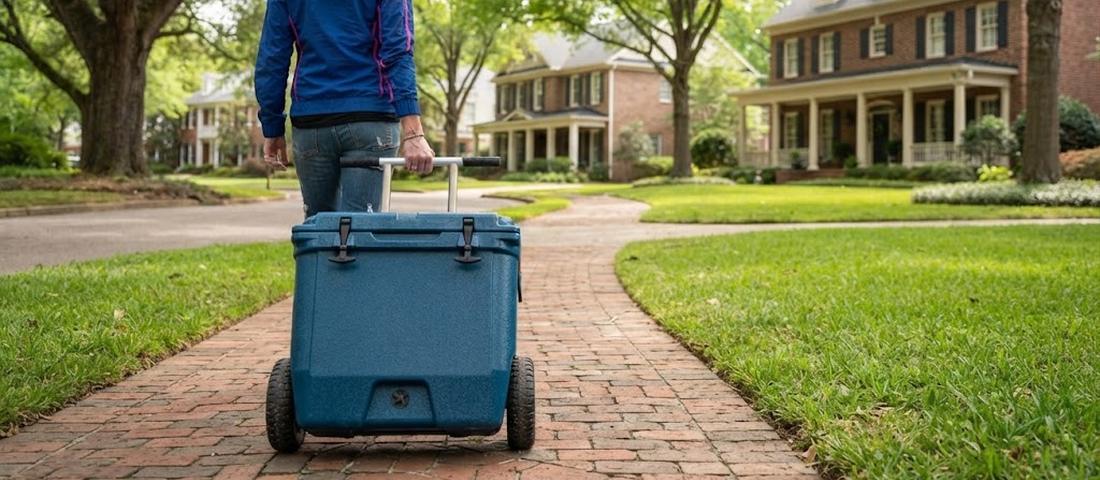
The critical mistake is opening the refrigerator to check on things. Every time you open it, cold air falls out and warm air rushes in. The 4-hour window shrinks with every open door. The right move is to leave the refrigerator closed and move what matters into a pre-packed cooler immediately.
⚠️ What happens to food at different temperatures: The FDA Food Safety zone is below 40°F. Between 40°F and 140°F, bacteria in perishable food can double roughly every 20 minutes, according to USDA food safety guidance. After 2 hours in the danger zone, most perishable food should be discarded. This is why a cooler that holds ice for 5–7 days is not just convenient — during a multi-day outage, it is what stands between your household and significant food-borne illness risk and the cost of replacing everything in your refrigerator.
For seniors on medications, the stakes are higher. Insulin, GLP-1 medications like Ozempic and Mounjaro, certain antibiotics, some eye drops, and biologics all require refrigeration. Many of these cannot be replaced quickly during a disaster, and some are very expensive. A quality cooler stocked with ice bricks before an outage can help extend the window between your failed refrigerator and power restoration — giving you more time and more options.
💊 Medication note: According to FDA guidance, most insulin can be stored at room temperature between 59°F–86°F for up to 28 days once opened. However, temperature requirements vary by medication type and manufacturer. Always consult your physician or pharmacist about your specific medications' storage requirements and what to do if temperature thresholds are exceeded. Never use damaged or heat-exposed medication without medical guidance.
💬 When It Actually Mattered — True Stories
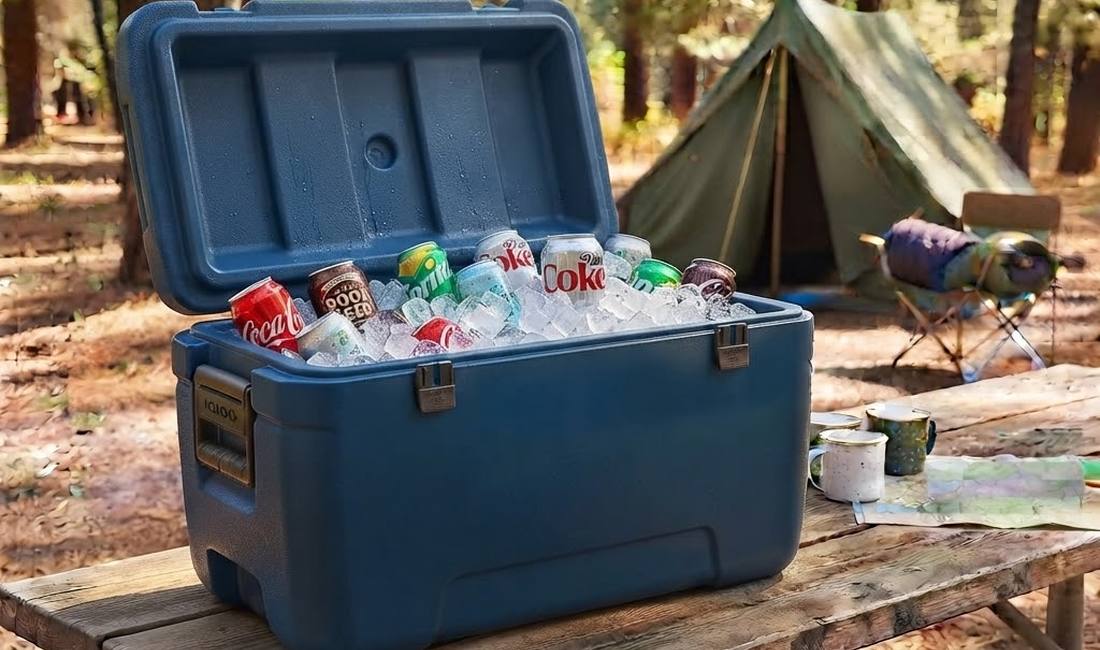
The cooler does not feel important until it is the only thing standing between you and a very bad week. These are the situations where people wish they had bought better — or were glad they already had.
🌀 Hurricane — Southwest Florida
“We lost power for nine days after the storm. Nine. My wife is diabetic and we have insulin in the refrigerator at all times. The morning the storm hit I moved everything into the big rotomolded cooler we had bought the previous spring — insulin on one side with a cloth barrier from the gel packs, food on the other. I had six large gel packs in the freezer that I had been keeping there all summer for exactly this reason.
By day four I was refreshing the gel packs at a neighbor’s generator. By day seven we drove forty minutes to a motel that had power and refroze everything. We never lost the insulin. We never had to call her doctor in a panic about whether it was still usable. That cooler bought us nine days of options instead of a crisis.
I have since bought a smaller dedicated cooler just for medications and I keep it packed and ready in the closet from June through November. The big one is for food. They never share space anymore.”
— Gerald, 71 — Fort Myers, FL
🌡️ Heat Wave Power Outage — Central Texas
“This was July. The grid went down in the afternoon and it was 104 degrees outside. I am 67 and I live alone. My refrigerator was warm within three hours. I had a standard cooler in the garage with nothing in it because I had never thought to pre-load it. I spent the first hour of the outage driving around trying to find ice when every gas station in the area was either out or had lines around the block.
I ended up throwing away everything in my refrigerator. About two hundred dollars of groceries including some eye drops I needed that were not cheap. I had no ice because I had never stocked gel packs, no plan because I had never thought it through, and a cooler that sat empty in the garage because I did not know it needed to be pre-loaded to work properly.
I now keep eight large gel packs in my freezer year-round. Not just summer. Year-round. And the cooler stays in the house, not the garage, already pre-chilled every summer. The lesson cost me two hundred dollars and I was not going to learn it twice.”
— Patricia, 67 — San Antonio, TX
🌊 Flooding Evacuation — Louisiana
“When they told us to evacuate we had about two hours. I am 73 and my husband is 75 and he has a pacemaker and takes three medications that need refrigeration. We had a wheeled cooler in the utility room — a good one, rotomolded, that we had bought after the last flood scare. I packed it in fifteen minutes. Medications on the bottom with the gel packs on top separated by a dish towel. Food filled in around it.
We were at my sister’s house for eleven days. She has a working refrigerator, which helped after day three when I transferred everything over. But for those first three days, the cooler handled everything. The medications stayed cold. We checked with a thermometer twice a day the whole time.
What I want people to understand is that the two hours we had to leave were not calm hours. They were panicked hours. Because the cooler was already there, already in a place I could grab it, with the gel packs already in the freezer, I did not have to think. I just did it. Preparation is not about expecting the worst. It is about not having to think when the worst is already happening.”
— Lorraine, 73 — Baton Rouge, LA
❄️ Ice Storm — Western North Carolina
“People think coolers are for summer. They are wrong. We had an ice storm that took out power for six days in February. It was 18 degrees outside. We could not just set food on the porch because the temperature swings were too extreme — it would freeze and thaw depending on the sun and the wind. And freezing is not safe for everything either.
We put the cooler in the attached garage where it was cold but not freezing — around 35 to 40 degrees in there. That kept everything in the safe range without needing ice at all. The cooler became a temperature buffer in both directions — protecting food and medication from freezing outside and from warming inside the house, which was cooling down to 50 degrees without heat.
I am a retired nurse. I knew exactly what the temperature requirements were for my husband’s medication. I had a thermometer in the cooler the entire six days. Nobody tells you in the winter to think about your cooler. But that cooler saved six days of medication that would have been very expensive and very difficult to replace in the middle of an ice storm when pharmacies were closed.”
— Beverly, 69 — Asheville, NC
🚗 Road Trip — Cross-Country Drive
“My husband and I drove from Florida to Oregon last year to visit our daughter. I am insulin-dependent and I have been managing it for fourteen years. Traveling with insulin used to be stressful because you are always calculating how long until you can get to a refrigerator. Hotels, rest stops, a three-hour stretch in the desert with no services.
We brought a small electric compressor cooler that plugs into the car’s 12-volt port. It ran the entire drive. I set it to 40 degrees and it held 40 degrees the whole time — through the Florida heat, through the Texas summer, through the Arizona desert. I checked the temperature display every time we stopped. It never wavered more than a degree or two.
I had always done road trips with a small soft cooler and gel packs and I was always anxious about the last two hours when I knew the packs were losing temperature. This trip I was not anxious at all. The difference is significant. I am 64 years old and I travel. I want to keep traveling. Not having to worry about insulin temperature for five straight days of driving changed the experience entirely.”
— Marilyn, 64 — Gainesville, FL
🤝 Neighbor Mutual Aid — Mississippi Gulf Coast
“After the storm we had power but three of my neighbors did not. Two of them are older than me — one is 79, one is 81. The 79-year-old has a heart condition and takes medication that needs refrigeration. She did not own a cooler. She did not own gel packs. She had no plan at all for what to do when the refrigerator stopped.
I brought her medication into my house and kept it in my refrigerator for five days. She came over twice a day. That worked because I had power. If I had not had power, neither of us would have had a good answer.
After that I bought her a small rotomolded cooler and a set of gel packs and showed her how to use them. I stocked the gel packs in her freezer myself. She is 79 and she lives alone and she was not going to figure this out on her own in the middle of a crisis. The cooler cost me sixty dollars. Her medication is probably four hundred dollars a month. It was not a hard calculation. If you are reading this and you have a neighbor like her, do not wait for them to ask. Just go do it.”
— Dorothy, 66 — Biloxi, MS
🔥 Wildfire Evacuation — Northern California
“We got the evacuation notice at 6 in the morning. I am 70, my wife is 68. We had forty-five minutes before the road was going to be closed. We had packed a go-bag the previous year after watching what happened to our neighbors in another fire, so we were not starting from zero. But food and medication were not in the go-bag. They were in the refrigerator.
My wife has thyroid medication and a biologic injection that costs over eight hundred dollars a month. Both need refrigeration. I had a wheeled rotomolded cooler sitting in the garage. I rolled it to the kitchen, loaded the gel packs from the freezer, wrapped her medication in a dish towel, put it in the cooler, packed what food I could in eight minutes, and rolled the cooler to the car. The cart I already used for yard work went under it. One trip.
We were at a friend’s house for six days. The medication stayed cold the entire time. Our house survived. But I did not know it would survive when I was loading that cooler at 6 in the morning. I was packing as if we were not coming back. That cooler was the only reason eight hundred dollars of medication came with us instead of being left behind.”
— Raymond, 70 — Chico, CA
⚡ Extended Grid Failure — Rural Tennessee
“A tornado took out the substation that serves our area. We were without power for eleven days. I am 74 and I live alone on twelve acres outside of town. The nearest pharmacy is 22 miles. I take four medications, two of which need refrigeration. When the power went out I had maybe six days of refrigerated medication on hand.
I had two coolers. The big standard one I used for food. The small rotomolded one I kept specifically for medications after my doctor told me two years ago to have a plan. I had ten gel packs in the freezer. They lasted four days. After that I drove the 22 miles to town every other day to fill the cooler with ice from the hardware store, which still had a generator running. That drive kept my medication cold for the remaining seven days.
Eleven days. I managed eleven days because I had a small dedicated cooler and because my doctor had told me to have a plan. A lot of my neighbors did not have either one. One woman I know had to have her son drive three hours to bring her insulin from another city because her own had warmed past the safe temperature. She had no cooler. She had no plan. She had no idea it was going to matter. It always matters eventually.”
— Carolyn, 74 — Rural Tennessee
🔋 Battery Cooler During the Outage — Central Florida
“My son convinced me to buy a battery-powered electric cooler last year. I already owned a whole set of battery-powered yard tools and the cooler uses the same batteries. I thought it was a gimmick. He showed me the temperature readout and explained that it would hold whatever temperature I set it to as long as the batteries had charge, and that two batteries would run it for about ten hours.
We lost power after a storm last October for four days. My wife is on a GLP-1 medication that is not cheap. I set the cooler to 38 degrees, put her medication in with some food, and rotated batteries all four days. I have six batteries total from all the yard tools. Two in the cooler, two charging on the solar charger on the porch, two in reserve. I never ran out. The temperature display never moved more than a degree from where I set it.
Four days without grid power and her medication never went above 39 degrees. No generator. No extension cords. No bags of ice. No trips to find ice. Just swap the batteries every ten hours and check the display. I am 68 years old and I had not thought much about preparedness before this. That cooler is the most useful thing in my garage now. I should have listened to my son sooner.”
— Harold, 68 — Ocala, FL
🏥 When the Facility Lost Power — Alabama
“My mother is 84 and lives in an assisted living facility. After a major storm the facility’s backup generator failed. They had power for about six hours before it quit. Staff were managing dozens of residents’ medications, most of which needed refrigeration, and they did not have enough coolers or enough ice for all of them.
I got a call at 11 at night asking if I could bring a cooler and ice. I had two rotomolded coolers and eight gel packs at my house. I was there in forty minutes. My mother’s medication was packed and cold before midnight. Three other residents’ families were not reachable. Their medications sat in a warming refrigerator until morning when someone finally found dry ice.
My advice to anyone whose parent is in a care facility: do not assume the facility has a complete plan. Ask them directly what their medication storage protocol is during an extended power failure. And keep your own cooler and gel packs ready so that if they call you at 11 at night, you can actually help. I could. Not everyone could.”
— Janet, 62 — Birmingham, AL
☀️ Summer Heat Wave — Phoenix, Arizona
“Phoenix in August. The transformer for our block blew at 2 in the afternoon. It was 114 degrees outside and within two hours it was 95 inside the house. I am 71 and I have heart failure. Heat is not something I can manage the way I used to. I called the utility and they said 12 to 18 hours to restore. Possibly longer.
My daughter came and took me to her house, which had power. Before I left I packed the cooler — a good rotomolded one — with my medication and whatever perishables we had. The gel packs were already in the freezer. It took eight minutes. The medication I take for heart failure has to stay below 77 degrees. My house was already 95 inside. Without the cooler, I would have had to leave the medication behind or risk it being compromised by the time power came back 14 hours later.
People in Phoenix know to have a plan for heat. We know the summers. But I had not connected the heat plan to the medication plan until my cardiologist asked me what I would do if the power went out in August and I realized I did not have a real answer. Now I do. The cooler and the gel packs are the answer. Eight minutes and everything important came with me.”
— Walter, 71 — Phoenix, AZ
❄️ The 5 Types of Coolers — What Each One Actually Does
Type 1: Standard Budget Cooler
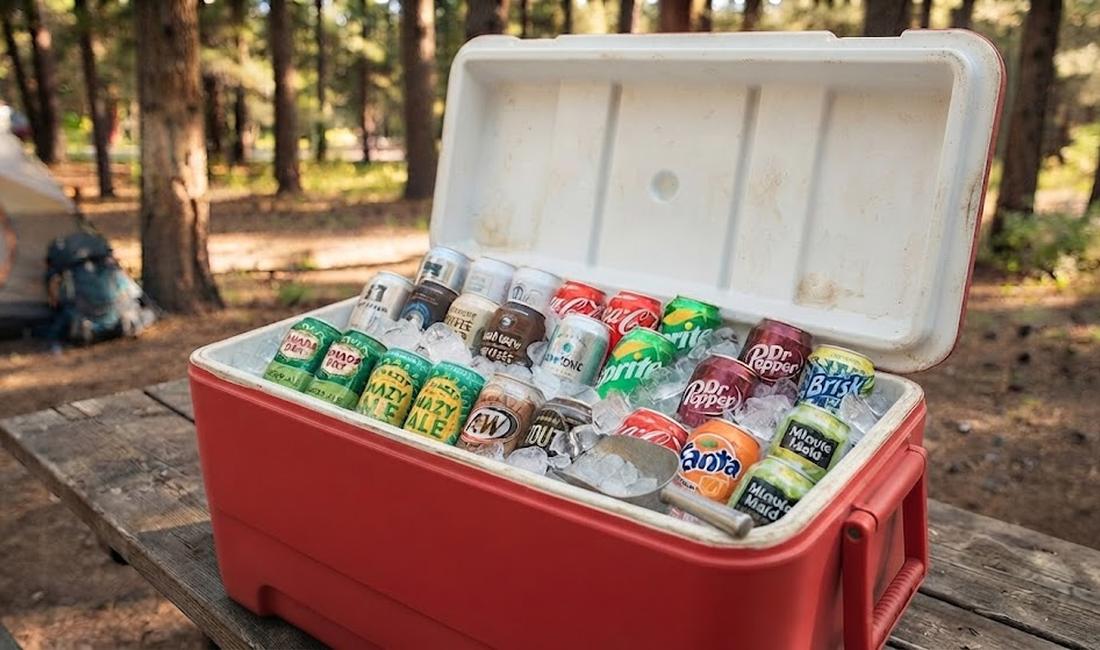
Best For: Short Outages & FoodThe classic injection-molded plastic cooler — widely available from major hardware and outdoor retailers. They use foam insulation in the lid and walls, hold ice for 3 to 5 days under typical conditions, and cost $30 to $80. This is the workhorse of outage food protection for most households.
What makes this category useful is the combination of capacity and low cost. A 54-quart model in this category holds most of a refrigerator's perishables, handles a standard 3–5 day outage with good ice management, and fits in any trunk or garage. The wheeled models move easily without lifting.
Limitation: The foam insulation is less efficient than premium coolers. In Florida summer heat or direct sun, real-world ice retention is closer to 3 days than 5. Pre-chilling the cooler before packing extends this significantly.
Shop Budget Wheeled Coolers →Type 2: Heavy-Duty Rotomolded Cooler
Best For: Long Outages & MedicationsRotomolded coolers — available from several well-known outdoor and preparedness brands — are manufactured by rotating a mold while polyurethane foam is injected, creating a single seamless piece with 2 to 3 inches of insulation and a freezer-grade gasket seal. In independent testing, these coolers hold ice for 7 to 10 days — sometimes longer. The best-performing models have held ice in independent testing for 10 full days.
For seniors on medications that require refrigeration during a multi-day outage, this is among the better non-electric options for temperature maintenance. The thick insulation and tight lid gasket keep the interior colder longer than standard coolers — though actual performance varies by ambient temperature and how often the lid is opened.
What makes them better: Thicker walls (2–3 inches vs. ¾ inch in standard coolers), a freezer-style gasket that creates an airtight seal, and a one-piece construction with no seams for cold air to escape. They are also virtually indestructible — leading brands offer warranties ranging from 5 years to lifetime.
Limitation: Cost and weight. A typical rotomolded cooler in this size range weighs 20–25 pounds empty before any ice or food. The wheeled models address this for most users. At $200–$400, it is a real investment — but one that lasts decades.
Shop Rotomolded Coolers → Best Value Rotomolded Wheeled →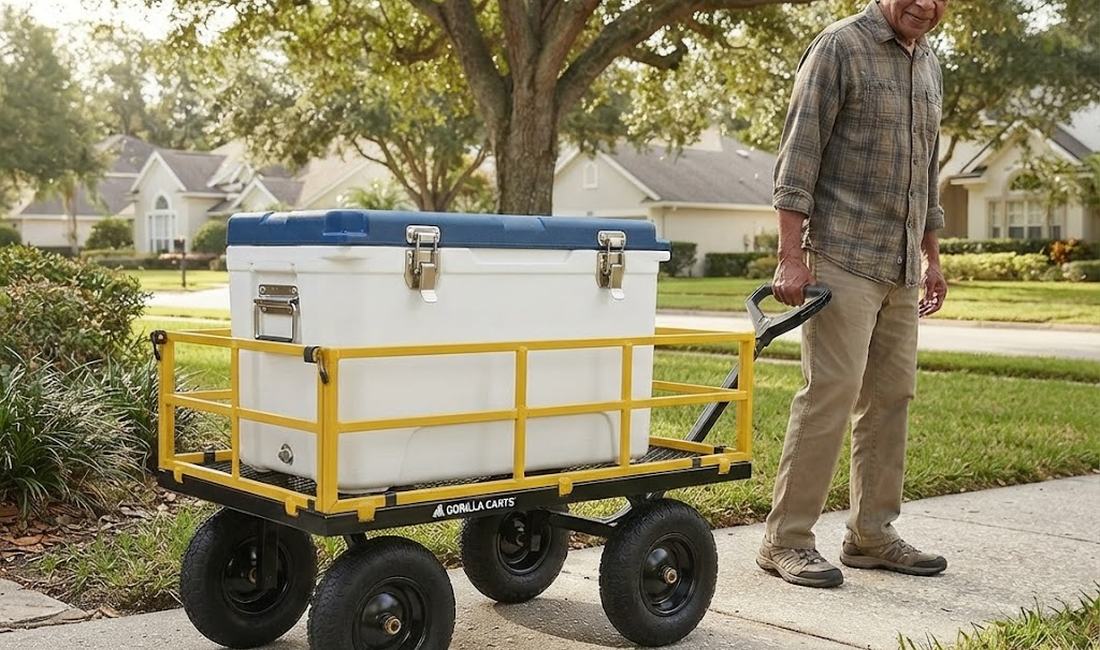
Type 3: Wheeled Cooler & Garden Cart
Best For: Seniors Who Can’t Lift Heavy CoolersA 54-quart cooler packed with ice and food can weigh 60–80 pounds. That is not something most people should lift, and trying is a fall risk and a back injury waiting to happen. The solution is wheels — and there are two good ways to get them.
Option A — Wheeled Cooler: Many standard and rotomolded coolers come with built-in wheels and a telescoping handle. Standard wheeled models run $60–80. Premium rotomolded wheeled models run $300–375. Look for large all-terrain wheels (not small plastic casters) and a comfortable grip handle.
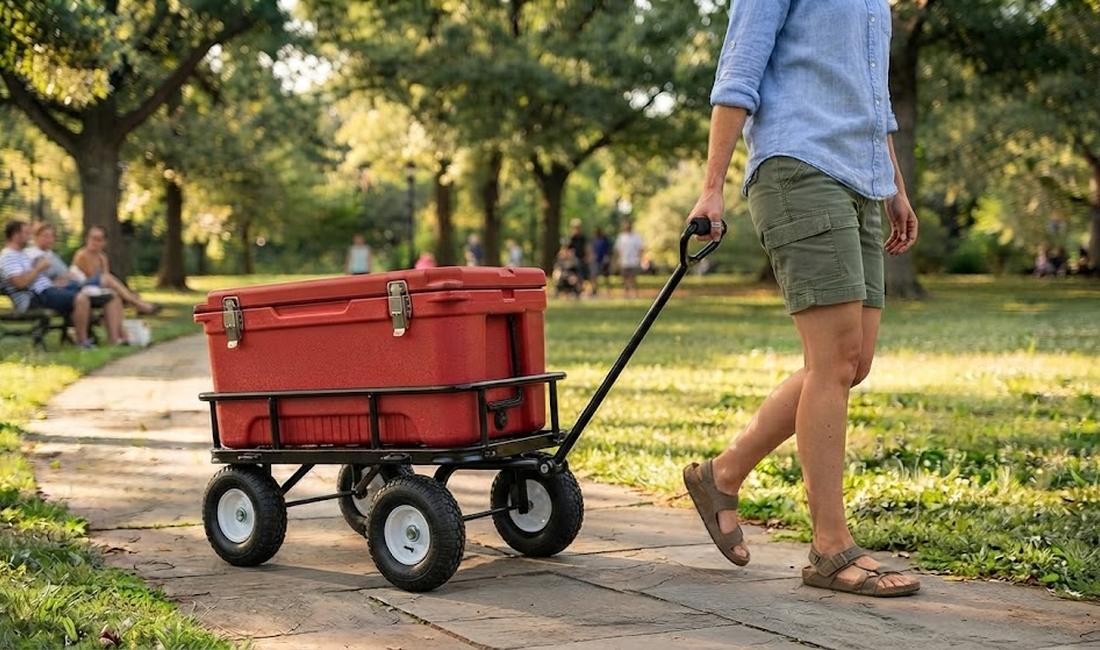
Option B — Garden Cart (the image above): Load any cooler onto a four-wheel pneumatic cart and you eliminate lifting entirely. The man in that photo is guiding 70 pounds of loaded cooler down a Florida sidewalk without carrying a single pound of it. The cart rolls on four large air-filled tires across pavement, grass, gravel, and uneven ground without effort.
A quality four-wheel utility cart runs $80–120 and holds 300–400 pounds. Here is the reason this matters beyond the cooler: that same cart serves your entire household year-round.
- Yard tools, mulch bags, potting soil — no more back-and-forth trips or straining to carry
- Luggage out to the car — roll heavy bags over door thresholds, down steps, across driveways
- Groceries in bulk, case water, birdseed, pet food — anything heavy that used to mean asking for help
- Emergency evacuation — water jugs, go-bag, medications, and the cooler all in one trip to the car
- Firewood, planters, garden equipment — the tasks that used to feel like too much
The cart earns its cost every week of the year. The cooler is just one more thing it carries when you need it most.
💡 The combination play: Buy a quality rotomolded cooler without built-in wheels (they’re cheaper) and a garden cart separately. The cart handles the cooler during outages and evacuations. The cart handles everything else the other 350 days a year. Two real tools. One always in use.
Type 4: Electric Compressor Cooler
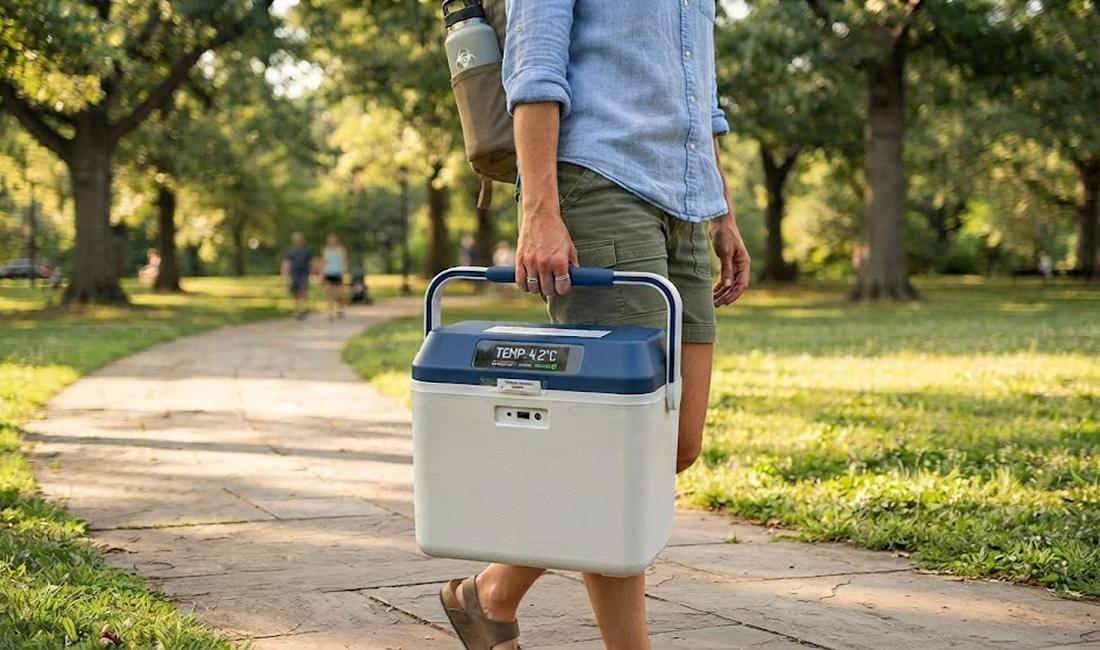
Best For: Insulin & Critical Medications — Unlimited DurationAn electric compressor cooler is essentially a portable refrigerator. It uses a compressor and refrigerant (like a household refrigerator) to maintain a precise temperature — no ice required, no degradation over time. Set it to 38°F and it will hold 38°F for as long as it has power.
For seniors who depend on insulin, GLP-1 medications, biologics, or other drugs that require refrigeration, an electric compressor cooler is worth discussing with your physician or pharmacist as part of your outage plan. Paired with a portable power station or a whole-home generator, it functions as a second refrigerator for critical items indefinitely.
Power draw: Most electric coolers draw 40–80 watts while running, but compressors cycle on and off rather than running continuously. Typical real-world consumption is 20–45 watts on average. A 500Wh portable power station can run one for 12–20 hours. A 1000Wh station runs it 24–40 hours. A whole-home generator runs it indefinitely.
Options: Several well-reviewed brands offer compressor coolers in this category from major outdoor and preparedness retailers. Dual-zone models (with separate compartments at different temperatures) are useful for households with both food and medications to keep at different temperatures.
🔋 Worth Knowing About
Worx 20V Electric & Battery Powered Cooler (WX876L)
Most electric compressor coolers need a wall outlet or a large power station to run. The Worx WX876L is different: it runs on two standard 20V Power Share batteries — the same batteries used across the entire Worx tool line. If you already own a Worx drill, blower, or lawn tool, you already have batteries that fit this cooler. No power station required for short runs.
On two batteries, it runs roughly 10 hours. It also plugs into a standard 120V wall outlet or a 12V car port — so it transitions seamlessly from home to car to wherever you take it. Temperature range is −4°F to 68°F, with a 24-quart capacity and a digital readout. It has a built-in handle and wheels.
The senior angle: During an outage, you can move this cooler room to room, out to a car, over to a neighbor's house — anywhere — without needing to find a power station or extension cord first. The batteries keep it cold. Swap in fresh batteries and keep going. At around $500 with batteries included, it is not cheap. But if you are already invested in the Worx Power Share ecosystem, the battery compatibility makes this the most flexible electric cooler option available.
Shop Worx 20V Cooler →💊 Important: If you depend on refrigerated medications for a serious health condition, consult your physician or pharmacist about your specific storage requirements and outage plan before an emergency occurs. Do not use medication that may have been temperature-compromised without medical guidance.
Type 5: Soft-Sided & Personal Coolers
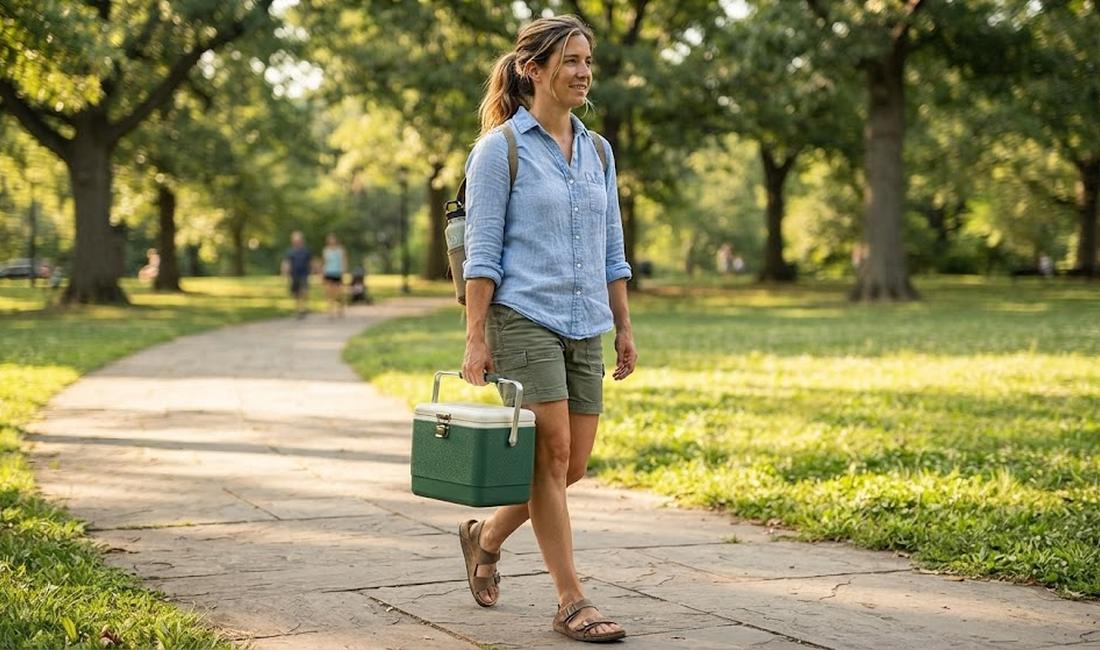
Best For: Medications on the Go, Short TripsSoft-sided coolers range from basic insulated lunch bags ($20) to premium models with 1.5 inches of closed-cell foam that held ice in testing for up to 4 days. They are lightweight, collapsible, and store flat when not in use.
For outage preparedness, these are not the primary storage solution — they are the personal medication transport solution. When a long outage requires moving medications to a neighbor's working refrigerator, a relative's house, or a community cooling center, a soft-sided insulated bag helps maintain temperature for medications in transit and during shorter stays away from home.
The dedicated medication cooling pouches — specialized evaporative and insulated pouches available from medical supply retailers — are designed specifically for insulin and other injectables and do not require ice at all. Worth knowing about separately from general-purpose soft coolers.
Shop Medication Cooler Bags →Side-by-Side Comparison
| Type | Ice Life | Cost | For Medications | Weight / Mobility |
|---|---|---|---|---|
| Standard Budget Cooler | 3–5 days | $30–80 | Short outages only | Manageable with wheels |
| Rotomolded Hard Cooler | 7–10 days | $200–400 | Good for 5–7 day outages | Heavy — buy wheeled |
| Wheeled Rolling | Depends on insulation | $60–375 | Depends on insulation type | Best mobility for seniors |
| Electric Compressor | Indefinite (w/ power) | $300–700+ | Best — precise temp control | Needs power source |
| Soft-Sided / Personal | 1–4 days | $20–120 | Transport only | Lightest, most portable |
💊 The Medication Situation — What You Need to Know Before an Outage Hits
This is the section most cooler guides do not cover. For seniors on refrigerated medications, a cooler is an important part of outage preparation. Always consult your physician or pharmacist about your specific medication storage plan before an emergency occurs. Here is what the research and FDA guidance establish.
The Basic Temperature Rules
Most refrigerated medications require storage between 36°F and 46°F. This is the range your refrigerator maintains. In a power outage, the goal is to keep medications in this range using a cooler, ice, and a thermometer. The key rules:
- Never freeze medications. Frozen insulin, biologics, and most injectable medications are damaged and should not be used. Keep a buffer between ice and medications.
- Monitor temperature. A small digital thermometer in the cooler confirms you are in the safe range. Do not guess.
- Never use dry ice. Dry ice is too cold for most medications and can freeze them within minutes.
- When in doubt, call the manufacturer. Each medication has specific stability data. If your insulin has been out of range, the manufacturer's number (found on the package) is the correct first call.
📋 FDA guidance on insulin specifically: According to FDA, insulin products may be left unrefrigerated at temperatures between 59°F and 86°F for up to 28 days and continue to work. This means that for a typical 3–7 day power outage, opened insulin that stays below 86°F remains usable — but always confirm with your physician or pharmacist for your specific insulin type, as requirements vary. Read the full FDA guidance →
What to Pack for Medications
- A dedicated medication cooler — separate from food. Keeps medications from getting wet, contaminated, or jostled.
- Frozen gel packs or ice bricks — not loose ice. Ice melts and soaks everything. Gel packs maintain temperature longer and keep contents dry.
- A cloth or towel barrier — between the gel packs and the medications to prevent freezing.
- A digital thermometer — battery-powered. Know what temperature the inside of the cooler is actually at, not what you assume.
- A written list of all refrigerated medications, their temperature requirements, and the manufacturer's phone number for each.
✅ Which Cooler Is Right for You — A Decision Guide
The right cooler depends on three things: how long your outages typically last, whether you have refrigerated medications, and your physical ability to handle the cooler when full.
🟢 Your outages are usually 1–3 days and you have no critical medications
Get: A standard heavy-duty wheeled cooler in the 50–54 quart range. Cost: $60–80. Ice retention: 3–5 days. Covers most hurricane and storm outages for food protection only. Pre-fill with frozen gel packs before storm season starts.
🟢 Your outages can run 5–7 days (Florida, Gulf Coast, hurricane-prone areas)
Get: A rotomolded wheeled cooler in the 45–65 quart range. Cost: $200–300. Ice retention: 7–10 days. Handles extended hurricane-season outages. Worth the investment if you are in a coastal or frequently-affected area.
🔵 You have insulin, GLP-1 medications, or other critical refrigerated drugs
Get both: A rotomolded cooler for food, plus either an electric compressor cooler (paired with a power station) or a dedicated medication cooling pouch from a medical supply retailer for medications specifically. The medication solution should be independent of the food solution. Consult your physician or pharmacist about your specific medications' outage protocol before you need it.
🔵 You have grip, strength, or mobility limitations
Get: Any wheeled model — this is non-negotiable. A full cooler weighs 50–80 pounds. This is a fall risk and a strain injury risk. Buy wheels first, then choose the insulation level. Both wheeled standard and wheeled rotomolded models roll easily on flat surfaces.
🟡 You want a single solution that handles everything indefinitely
Get: An electric compressor cooler + a 1,000Wh+ portable power station. This pairing functions as a second refrigerator that runs off stored electricity. During most outages, the power station runs the cooler for 24–48 hours. A generator runs it indefinitely. Cost: $500–1,200 combined. The most capable solution — and the one that does not require buying, storing, and managing ice.
🧊 How to Pack a Cooler for Maximum Ice Life
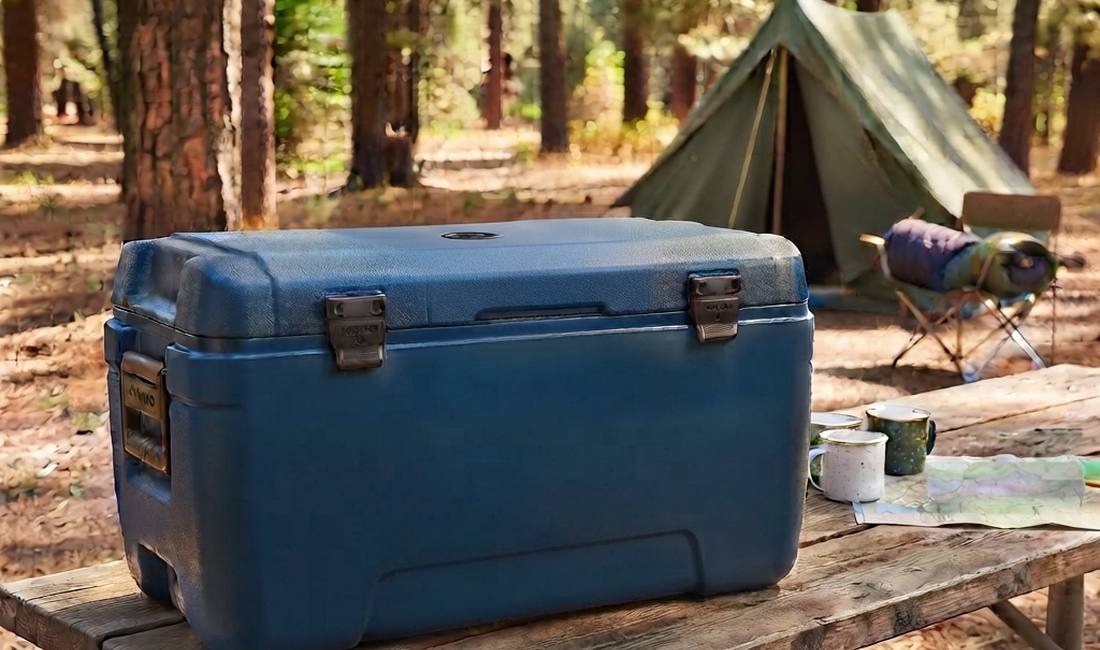
A quality cooler packed wrong will not perform like a quality cooler. These five rules make a measurable difference in ice retention.
- Pre-chill the cooler the night before. A cooler stored in a hot garage or shed has absorbed heat into its walls. Put a bag of ice or frozen gel packs inside 12–24 hours before packing. This dramatically improves ice life because the insulation itself starts cold rather than absorbing your food's cold first.
- Use frozen gel packs or block ice, not cubed ice. Block ice melts far more slowly than cubed ice. Gel packs do not melt at all — they return to solid state when refrozen. For medications specifically, gel packs are safer because they do not create standing water.
- Keep the 2:1 food-to-ice ratio. Half the cooler by volume should be ice or gel packs. More ice mass means longer ice life. A cooler packed mostly with food loses temperature quickly.
- Put cold items in first, ice on top. Cold air falls. Ice on top keeps the temperature even throughout the cooler. Do not mix room-temperature items in with cold items — they warm the interior immediately.
- Keep it in the coolest location possible. In summer heat, a cooler in a car trunk or direct sun performs dramatically worse than the same cooler indoors in a shaded room. Every 10 degrees of ambient temperature difference can halve your effective ice retention.
🧊 The one supply you actually need before the storm: Frozen gel packs (ice bricks) — not bags of cubed ice from the store. Keep 6–10 large gel packs in your freezer all through storm season. When a threat develops, they are ready. You do not have to wait in a line at a gas station or grocery store when supplies are already depleted. Gel packs also refreeze when your power comes back, ready for next time.
Shop Reusable Ice Bricks →Frequently Asked Questions
How long does a refrigerator stay cold after the power goes out?
A modern refrigerator kept closed will maintain a safe temperature (below 40°F) for approximately 2 to 4 hours after power loss. A full freezer can maintain safe temperatures for 24 to 48 hours if the door stays closed. The single most important thing you can do is not open either one until you need to transfer contents to a cooler. Every door opening accelerates temperature rise significantly.
What temperature do I need to keep medications safe?
Most refrigerated medications require 36°F to 46°F. Temperature requirements vary by medication — always consult your physician or pharmacist about your specific drugs' storage requirements and outage protocols before an emergency occurs, not during one. Keep a digital thermometer in your medication cooler so you know the actual temperature rather than estimating.
Is a $40 cooler good enough for a hurricane?
For a 1–3 day outage focused on food only, yes — a standard heavy-duty cooler handles this adequately with proper ice management. For a 5–7 day outage common during major hurricanes in coastal areas, a rotomolded cooler's 7–10 day ice retention is genuinely worth the extra cost. For medications that require precise refrigerator temperatures, an electric compressor cooler with a power source is generally the most consistent option — though always confirm your specific medication's storage needs with your physician or pharmacist.
Can I put medication directly on ice?
No. Direct contact between ice and medications risks freezing, which can damage or destroy many drugs. Place a towel or cloth barrier between any ice or gel packs and the medications. Use gel packs rather than loose ice to prevent standing water from soaking medication packaging. Monitor temperature with a thermometer to confirm the interior stays in the safe range rather than falling below freezing.
What size cooler do I need?
For food during an outage, a 48–54 quart cooler handles most refrigerator contents for 1–3 people. A 62–75 quart holds more and is useful for larger households. For medications only, a small dedicated cooler (15–25 quart) is better than mixing medications with food — it stays organized, stays colder (less opening), and keeps medications from getting wet or contaminated.
Should I get a separate cooler for medications and food?
Yes, if you have refrigerated medications. A dedicated medication cooler is opened less frequently (which preserves temperature), stays better organized, and can be specifically sized for a small, consistent load. Keep one small rotomolded cooler or electric cooler specifically for medications, and a larger standard cooler for food. This is especially important for insulin and biologics, where temperature consistency matters most.