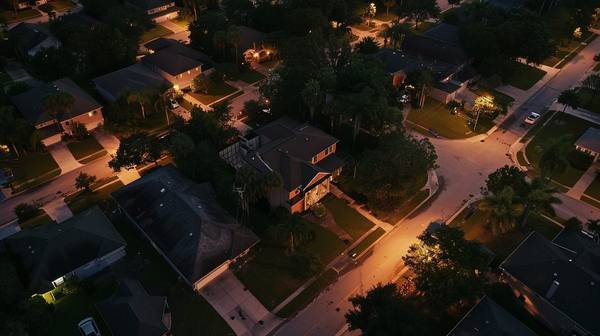
🚨 Puerto Rico — September 2017 through 2018 — Hurricane Maria Aftermath
She Waited 11 Months for Power. The Grid Was Already Failing Before the Storm Hit.
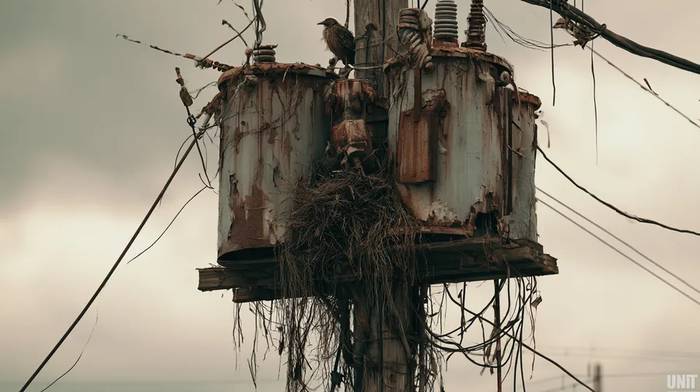
Carmen was 69 years old and lived in a rural municipality in the mountains of Puerto Rico. When Hurricane Maria made landfall on September 20, 2017, it destroyed much of the island’s electrical infrastructure. But FEMA investigations later documented that the Puerto Rico Electric Power Authority (PREPA) had been operating a grid in severe disrepair for years before the storm — the result of financial difficulties, deferred maintenance, and inadequate investment.
PREPA had reduced its maintenance workforce by 30 percent in the years before Maria. Transmission infrastructure that should have been replaced was patched and re-patched. Vegetation management — keeping trees clear of power lines — was inadequately funded. When Maria hit, the infrastructure failed not just because of the storm but because of the years of neglect that preceded it.
Carmen waited 11 months for power to be restored to her home. For 11 months she used candles for light. Her medications were managed with ice from a neighbor’s generator. Her adult children, who lived on the mainland, called every day when cell service allowed. She developed a respiratory infection in the third month that her local clinic, also without reliable power, struggled to treat effectively. She survived. More than 2,900 Puerto Ricans did not, in what became the deadliest natural disaster in US history in terms of deaths — most of which were attributed to the loss of power and medical infrastructure.
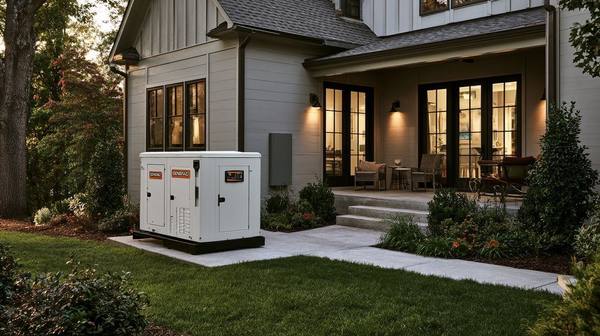
✅ What a generator meant for those who had one: The relatively small number of Puerto Rican households and businesses with whole-home propane generators experienced a fundamentally different reality. They had lights, refrigeration, and powered medical equipment throughout the 11-month outage. Their quality of life was constrained by fuel supply and cost — but they were not among the 2,900. The generator, in Puerto Rico after Maria, was the difference between surviving and being a statistic.
California’s Public Safety Power Shutoffs: When the Utility Cuts Power to Avoid Liability
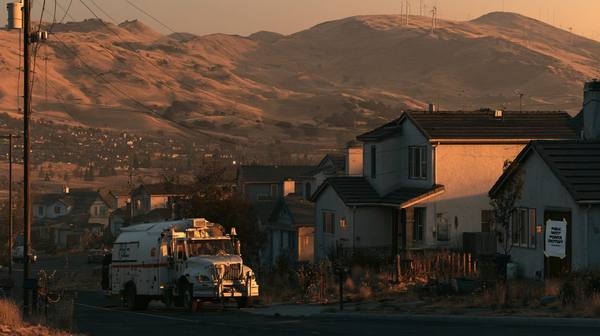
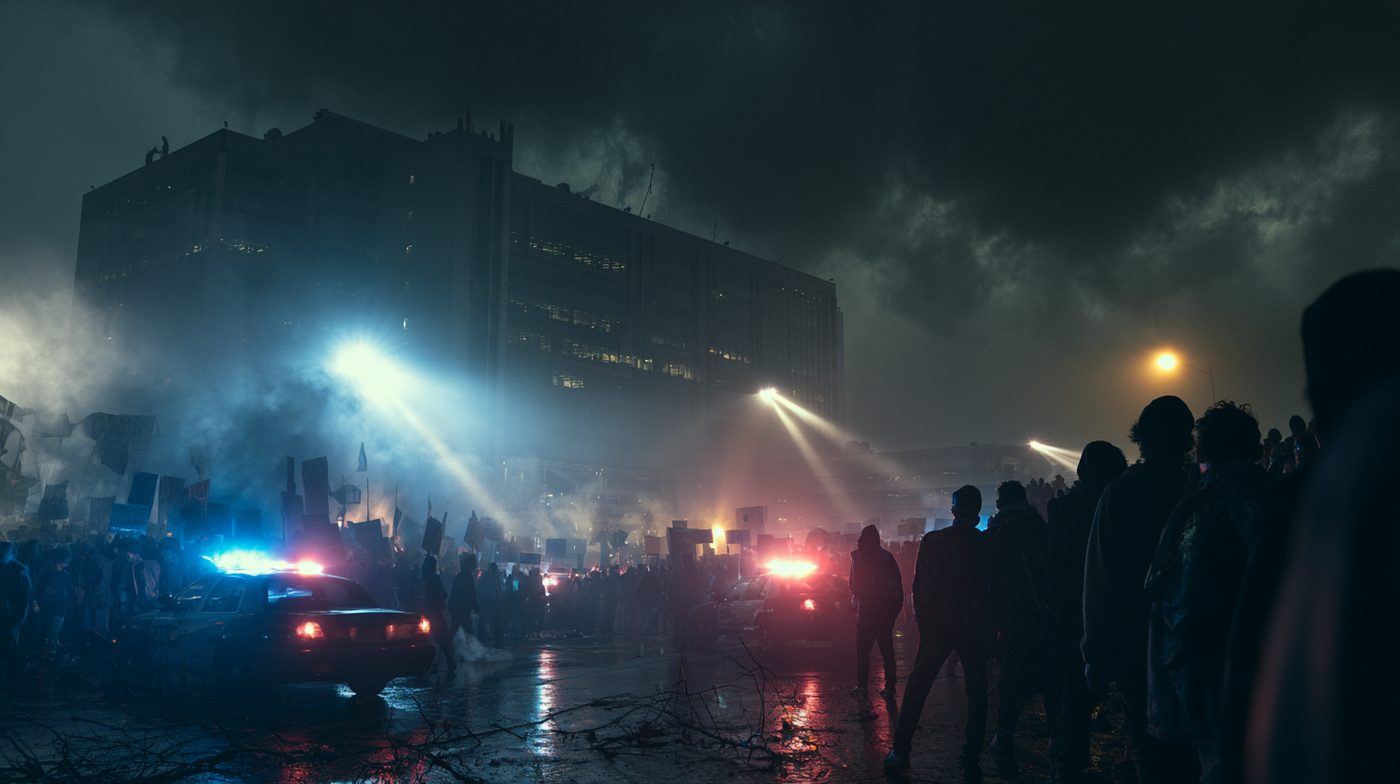
Beginning in 2019, Pacific Gas and Electric (PG&E) began implementing Public Safety Power Shutoffs (PSPS) — deliberately cutting power to hundreds of thousands of customers during high wind and low humidity conditions that increase wildfire risk. In October 2019, PG&E shut off power to approximately 800,000 customers across Northern California, affecting up to 3 million people, in the largest intentional power shutoff in US history.
The PSPS events are PG&E’s response to a finding that its own equipment — aging power lines with deferred maintenance and inadequate vegetation management — had started multiple major wildfires, including the 2018 Camp Fire that killed 85 people and destroyed the town of Paradise, California. PG&E pleaded guilty to 84 counts of involuntary manslaughter related to the Camp Fire.
The PSPS shutoffs themselves caused immediate harm to vulnerable populations. Elderly residents dependent on powered medical equipment — oxygen concentrators, dialysis machines, refrigerated medications — faced medical emergencies during multi-day shutoffs that received no compensation from PG&E. California regulators subsequently required PG&E to provide medical baseline customers with advance notice and assistance, but the fundamental problem — aging infrastructure that required the shutoffs in the first place — remained.
Deferred Maintenance: The Slow Disaster That Becomes a Fast One
Utility companies are regulated businesses that earn returns on capital investment. Maintenance spending — unlike capital investment — comes directly from revenues and reduces profitability. In a regulatory environment that inadequately compensates maintenance spending, utilities have a structural incentive to defer maintenance and rely on capital replacement after failure rather than maintenance-based prevention of failure.
This is not a hypothetical concern. The American Society of Civil Engineers has documented deferred maintenance as a primary driver of US infrastructure deterioration. State utility commission audits have consistently found maintenance spending below recommended levels at major utilities. The consequences play out in outage statistics: utilities with below-average maintenance spending have above-average outage frequency and duration.
Political decisions compound the maintenance problem. Rate increases required to fund adequate maintenance face regulatory and political opposition. Legislators in states with high electricity costs resist utility requests for rate increases even when the alternative is declining reliability. The result is a slow deterioration in infrastructure quality that eventually produces the fast disasters — the Puerto Ricos and the Pacific Northwest heat domes — that kill people.
The 50–70 Math: You Cannot Fix the Utility’s Maintenance Budget. You Can Fix Your Home.
You have no vote in your utility’s boardroom. You have limited influence over your state’s utility regulatory commission. You cannot compel the maintenance investment that would have prevented Puerto Rico’s 11-month outage or California’s PSPS events. What you can control is whether your household depends on your utility’s reliability decisions to keep you alive.
A whole-home standby generator is, among other things, a private decision that removes your most critical life functions — temperature, medical equipment, medication refrigeration — from dependence on decisions made in distant boardrooms and regulatory proceedings. Your propane tank does not care about PREPA’s maintenance budget. Your generator does not depend on PG&E’s PSPS protocols. You made your own decision, and it sustains you regardless of the institutional failures around you.
At 55, that decision is financially accessible. At 69, like Carmen in Puerto Rico, the decision would have required help you did not have. The window is open now. For most seniors reading this, it will not be open forever.