🚨 Southwest Florida — September 28, 2022 — Hurricane Ian
Harold Was 71. His House Survived. He Almost Didn’t.
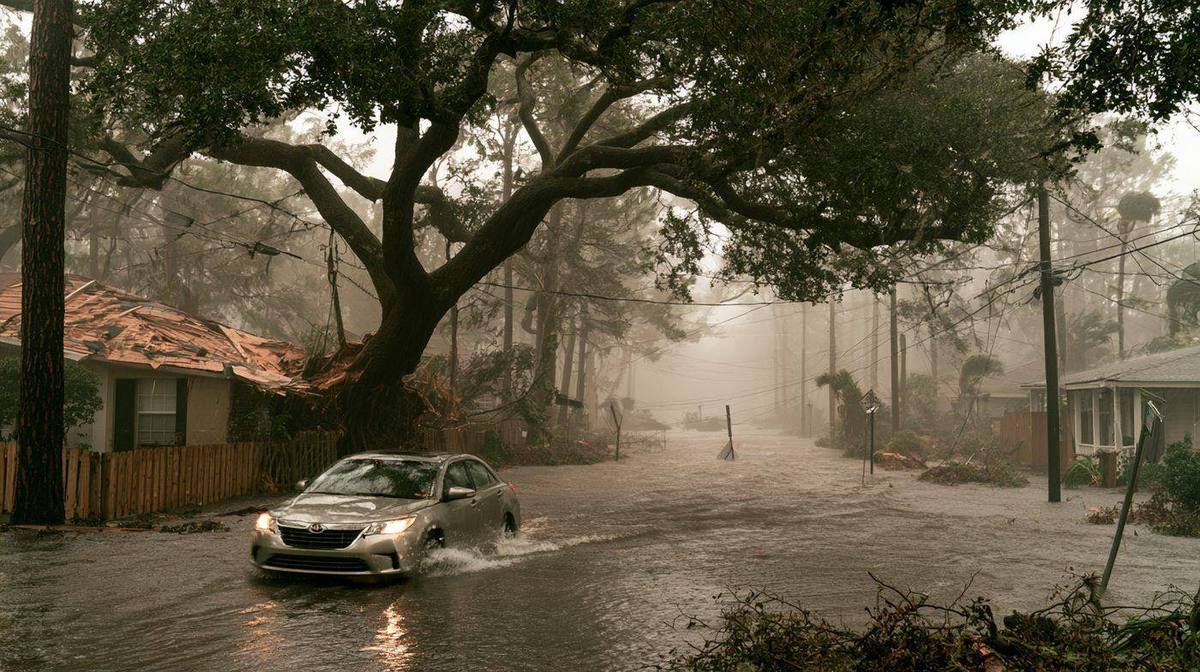
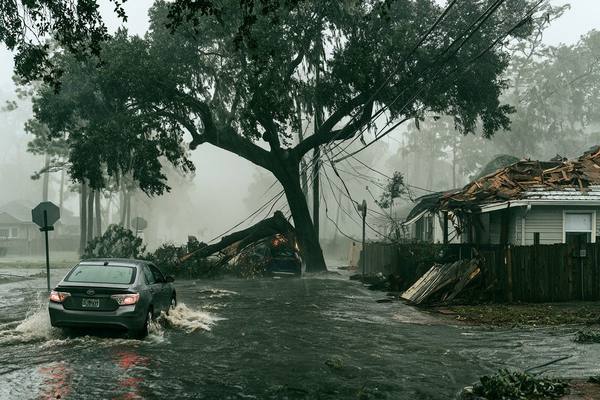
Harold lived alone in Charlotte County, Florida. Hurricane Ian made landfall 30 miles south of his house. His roof held. His windows held. His car started. But the transmission infrastructure serving his county ran through the storm’s direct path — and it was destroyed.
Harold had a CPAP machine for sleep apnea. He had insulin that required refrigeration. He had a three-day supply of food, a battery lantern, and no generator. His cell phone died on day two when the towers went down. He was not found until day four. His home had reached 96 degrees Fahrenheit inside. His insulin had been unusable since day two. His blood sugar was in crisis.
He spent five days receiving medical care. The power on his street came back on October 19th — twenty-one days after landfall. His neighbors, who had whole-home standby generators, never left their homes. They had running AC, cold food, working medical equipment, and functioning internet the entire time. Same storm. Same street. Completely different outcome.
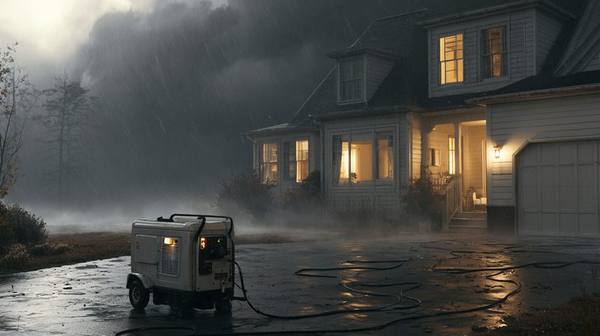
✅ What a generator would have cost: A whole-home standby generator installed in 2020 would have cost Harold approximately $8,000–$12,000. Financed over 7 years, that is $95–$145 per month. His five days of medical care cost more than that. His lost insulin cost more than that. His neighbor’s generator paid for itself on day one.
2.6M
Florida homes lost power during Ian — most never saw the storm directly
21
Days some Charlotte County residents waited for power restoration after Ian
36M
Americans lost power during the 2021 Texas ice storm
702
Average heat-related deaths per year in the US — mostly seniors during outages (CDC)
Why the Storm Doesn’t Have to Hit Your Street
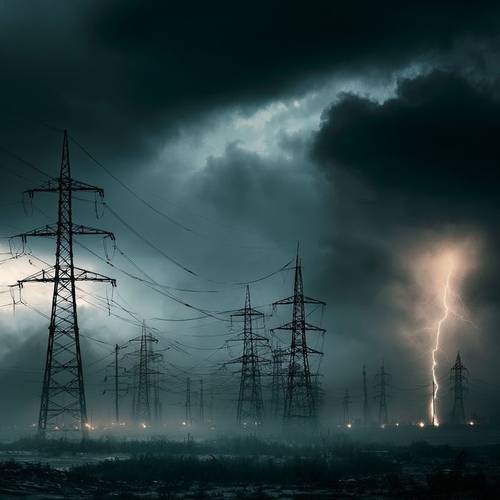
The electrical grid is not a local system. Power generated dozens or hundreds of miles away travels through transmission lines to substations, then through distribution lines to your home. When a hurricane, ice storm, or tornado damages any link in that chain — even one 40 miles from your neighborhood — every home downstream goes dark.
During Hurricane Ian, the storm’s direct path was through Lee County. But the transmission infrastructure serving Charlotte, Sarasota, and parts of Collier County ran through that path. Residents in those counties watched Ian move past to the south — their neighborhoods untouched — and then lost power for up to three weeks because the grid that served them was destroyed by a storm they never directly experienced.
This is not an edge case. It is how the grid works. Every major weather event puts power at risk for residents far outside the storm’s core impact area. Planning as if only a direct hit matters is planning to fail.
Hurricanes: The Longest Outages, the Highest Stakes
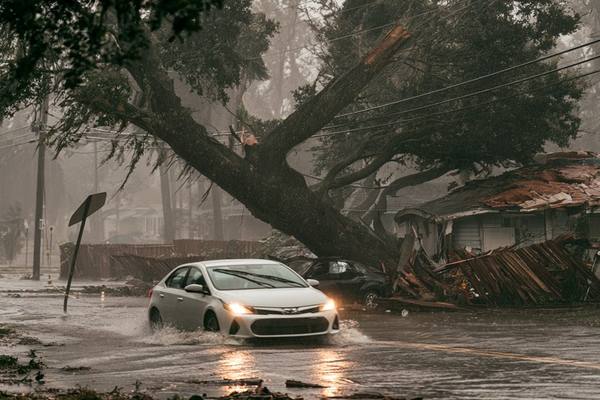 Hurricanes combine wind damage, storm surge flooding, and rainfall in a way that destroys grid infrastructure simultaneously across hundreds of square miles. Transmission towers collapse. Substations flood. Underground cable terminations short-circuit when salt water infiltrates them. Utility crews cannot restore what they cannot safely access, and they cannot access it while the storm is active.
After a major hurricane, power restoration follows a priority sequence: hospitals and emergency services first, then commercial areas, then dense residential, then rural. A senior living alone in a single-family home at the end of a cul-de-sac is at the bottom of that queue. They may wait days after their neighbors have power because their specific line requires a separate crew dispatch.
FEMA’s Hurricane Ian after-action report documented a consistent finding: seniors who had whole-home generators experienced no meaningful health impact from the outage. Seniors who did not were disproportionately represented in emergency medical calls, shelter populations, and fatality statistics. The generator was not a comfort item. It was the difference between staying home safely and becoming a statistic.
Ice Storms: The Outage Nobody Sees Coming
Ice storms are the most underestimated power threat for seniors who do not live on the Gulf Coast. A single quarter inch of ice adds 500 pounds of weight per span of power line. A half inch snaps poles. An inch collapses distribution systems across entire states simultaneously.
The February 2021 Texas winter storm knocked out power to 4.5 million homes, killed at least 246 people — the majority over 60 — and caused an estimated $195 billion in damage. It happened in Texas. Not Minnesota. Not Michigan. Texas, where many seniors had never prepared for winter power loss because it had never happened in their lifetime.
Climate patterns are now producing ice events in Georgia, Tennessee, Arkansas, and Louisiana at frequencies that were historically rare. If you are a senior in the South and you believe ice storms are a northern problem, you are operating on assumptions that the last five years have proven wrong.
Heat Domes: When the Grid Fails During the Worst Possible Weather
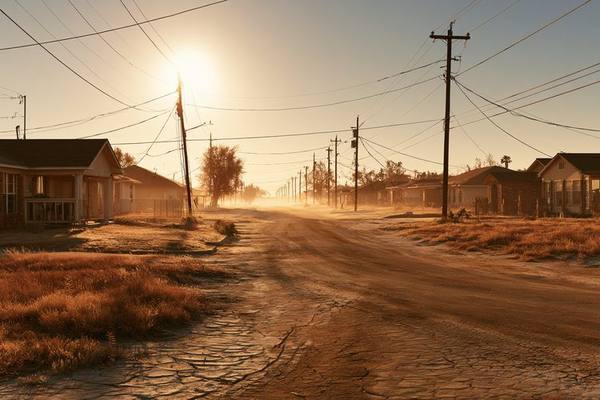
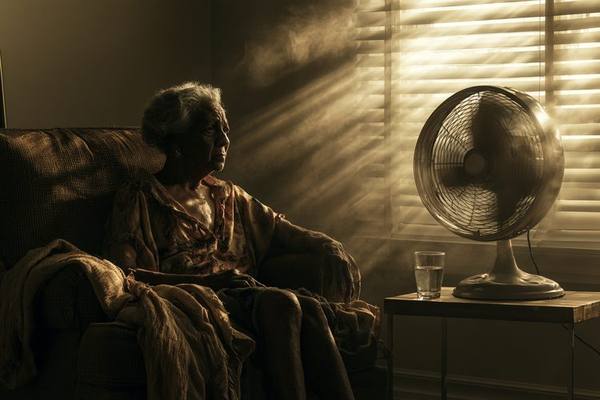 Heat events cause power outages two ways: they drive demand until the grid cannot supply it (triggering rolling blackouts), and they directly damage equipment. Transformers overheat and fail at three to five times their normal failure rate during extreme heat events. The 2021 Pacific Northwest heat dome pushed temperatures to 121°F and caused transformer failures throughout Oregon and Washington.
The CDC documents an average of 702 heat-related deaths per year in the United States — more than hurricanes, tornadoes, and floods combined. The majority are adults over 65. When a heat event and a power outage arrive simultaneously, you lose air conditioning at the moment temperatures are highest and your body is least able to cope. This is the deadliest combination in American emergency management data.
The 50–70 Math That Changes Everything
At 55, you can get financing for a $10,000 generator installation. You can climb a ladder to check the installation. You can move a portable unit if needed. You have income, mobility, and choices.
At 75, you may be on a fixed income where a $10,000 capital expense is impossible. You may have mobility limitations that make operating a portable generator unsafe. You may be dependent on medical equipment that makes any power interruption immediately dangerous. And when the next storm comes — and it will — you will be Harold.
The generator you buy at 55 is the generator that keeps you safe at 75. It lasts 20 to 30 years. It is there when you need it. It starts automatically. It does not require you to do anything except have bought it when you had the resources to do so.
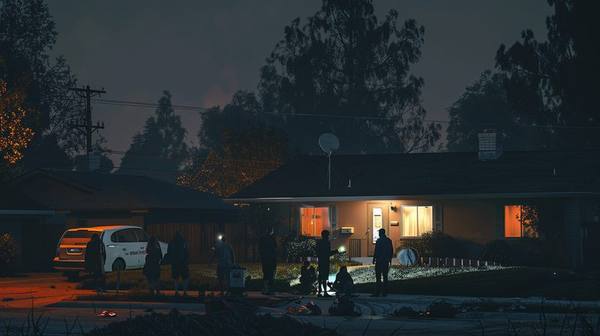 Harold’s neighbor had the same storm, the same street, and a generator he had installed seven years earlier when he was 64. He never lost air conditioning. His insulin stayed cold. His wife’s oxygen concentrator ran continuously. He and his wife spent the twenty-one days checking on neighbors who were not so prepared. He told the local paper afterward: “Best money I ever spent. I just wish more people on our street had done it.”
Your State’s Specific Weather Outage Risk
 Weather-related power outage risk is not uniform across the country. The specific threats, typical outage durations, and preparation priorities vary significantly by state and region. Here is what seniors in each major risk region should know.
Gulf Coast States (Florida, Texas, Louisiana, Mississippi, Alabama)
The highest hurricane risk in the continental United States. Major hurricanes make landfall in this region an average of two to three times per decade, and tropical storm outages are annual events. Seniors in Gulf Coast states should plan for a minimum of 14 days without power after a major storm, based on historical restoration data from Ian, Katrina, Ida, and Harvey. The specific risk for Florida is compounded by a disproportionately elderly population and a geography that puts large numbers of seniors in evacuation zones. A whole-home standby generator is not optional for a senior living alone in coastal Florida.
Southeast Atlantic States (Georgia, South Carolina, North Carolina)
Hurricane risk is lower than Gulf Coast but significant — particularly for coastal and near-coastal residents. The inland portions of these states experience tornado outbreaks in spring and ice storms in winter that can cause multi-day outages. The 2021 winter storm that devastated Texas also affected Mississippi, Arkansas, and parts of these states. Seniors should plan for 7 to 14 day outages from major hurricane events and 3 to 7 day outages from severe winter ice storms.
Northeast and Mid-Atlantic (Virginia, Maryland, New Jersey, New York, Massachusetts)
Nor’easters and hurricanes that track up the Atlantic Coast are the primary weather outage risk. Hurricane Sandy caused widespread outages lasting up to two weeks across New Jersey and New York in 2012. Seniors in this region face a specific winter risk: ice storms that accumulate on overhead lines can collapse distribution systems across wide areas simultaneously, and restoration in densely populated urban areas may actually take longer due to the complexity of underground infrastructure and the scale of the event.
Midwest and Plains (Oklahoma, Kansas, Nebraska, Missouri, Iowa)
Tornado risk is the primary concern, with severe thunderstorm lines capable of knocking out power to hundreds of thousands of homes simultaneously. The Great Plains also experiences derecho events — fast-moving straight-line wind storms — that cause outages across hundreds of miles of territory in a matter of hours. Winter ice storms are also a significant and growing risk in this region.
Western States (California, Oregon, Washington)
Wildfires are a growing cause of deliberate utility power shutoffs in California, affecting hundreds of thousands of customers at a time. The Pacific Northwest faces heat dome risk — the 2021 heat dome caused transformer failures throughout Oregon and Washington, with 116 deaths in Portland during the event. Drought-reduced hydroelectric capacity compounds the risk. Seniors in western states face a combination of deliberate utility shutoffs and weather-driven demand overload events that create different preparation challenges than storm-caused outages in the East.
Why Timing Is Everything — The Window Closes Before You Think It Does
One of the most consistent findings in FEMA after-action reports is that seniors who experienced the worst outcomes during weather-related outages were not the ones who had decided not to prepare. They were the ones who had planned to prepare and run out of time to do so.
Generator installers in hurricane-prone areas are booked solid from approximately June 1 through November 30 — the Atlantic hurricane season. During a named storm threat, the booking window collapses entirely. Generators available for purchase at retail sell out within 24 to 48 hours of a storm watch being issued for a region. A senior who decides to buy a generator when they see a storm on the weather map has already missed the window.
The same pattern applies to portable battery stations. During a major hurricane warning, major retailers in affected areas sell out of battery stations, extension cords, and backup power equipment within hours. Online ordering delivers too slowly to help — the storm arrives before the package does.
⚠️ The preparation window for storm season opens February 1 and closes May 31. That is when generator installers have availability, when equipment is in stock, and when propane service can be established without rush fees or delays. After June 1, everything costs more and takes longer. After a storm watch is issued, nothing is available at all.
The Window to Do This Is Still Open. For Now.
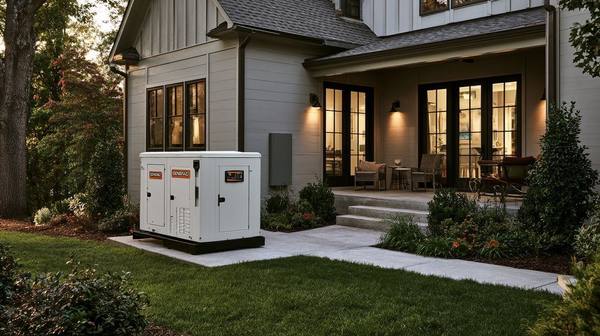
Whole-home standby generators are sold by appointment. Installation requires a licensed electrician and, for propane units, a propane tank and delivery setup. In the weeks before and after a major storm, every contractor in your region is booked. Equipment sells out. The time to buy is the Tuesday in April when the weather is fine and you are not in a hurry.
Use the generator size calculator to find out exactly what size generator your home needs — based on your specific appliances, medical equipment, and square footage. It takes two minutes. It is free. And it is the first step toward not being Harold.
⚡ Calculate My Generator Size →
See All 15 Reasons Power Goes Out
Frequently Asked Questions
How long do power outages last after a hurricane?
Major hurricane outages typically last 7 to 21 days in hard-hit areas. After Hurricane Ian in 2022, some southwest Florida neighborhoods waited three weeks. After Hurricane Maria in 2017, parts of Puerto Rico waited nearly a year. FEMA recommends seniors in hurricane zones plan for a minimum of 14 days without utility power.
My neighborhood has never flooded. Do I still need a generator?
Yes. Flooding is not required for a power outage. The grid that serves your neighborhood can be destroyed by a storm that floods an area miles away. Harold’s house never flooded. He was without power for 21 days because the infrastructure serving him passed through the storm’s path.
Is a portable generator enough for a senior household?
A portable generator provides backup but requires manual setup, outdoor operation in potentially dangerous conditions, and fuel management. For seniors — especially those living alone or with mobility limitations — a whole-home standby generator that starts automatically is the safer choice. It requires no human action when power fails at 3 AM.
How much does a whole-home standby generator cost?
A whole-home propane standby generator typically costs $8,000 to $18,000 installed, depending on home size and fuel setup. Financed over 7 years at typical home improvement rates, this is approximately $100 to $225 per month. Most major brands offer financing through licensed dealers. Use our generator size calculator to get a starting estimate for your specific home.
What about hurricane season? Is it too late to prepare?
If a named storm is already in the Gulf, it may be too late to get a generator installed before it arrives. Generator installers book out weeks in advance in hurricane season. But it is never too late to prepare for the next storm. The best time to install a generator was last year. The second best time is today.
📚 Primary Sources & Official Data
Page last reviewed: June 2026 | Author: Franklyn Galusha

Written & Researched By
Founder, Franklyns Bay LLC — Florida resident since 1984 — 25+ years SEO & web publishing — Nature Coast homeowner & 40+ hurricane seasons lived through.
Full bio →