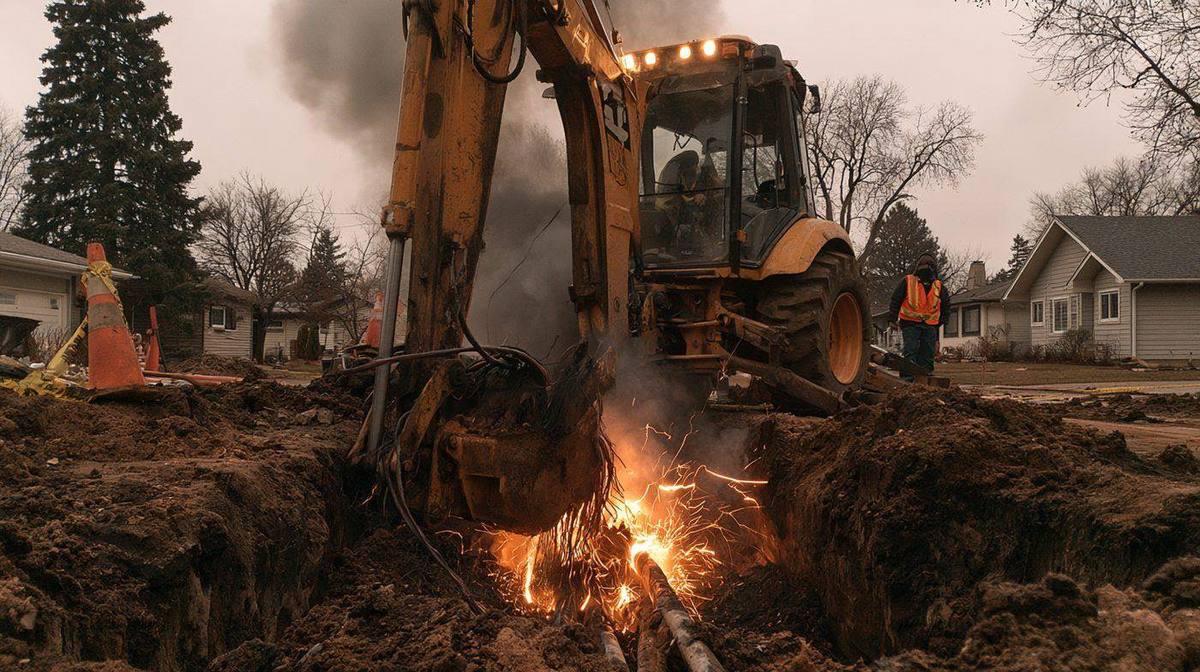
🚨 Suburban Atlanta, Georgia — April 2021 — Clear Skies, 72 Degrees
A Fiber Optic Contractor Cut Through the Wrong Cable. 6,000 Homes Lost Power. One Was Running a Home Dialysis Machine.
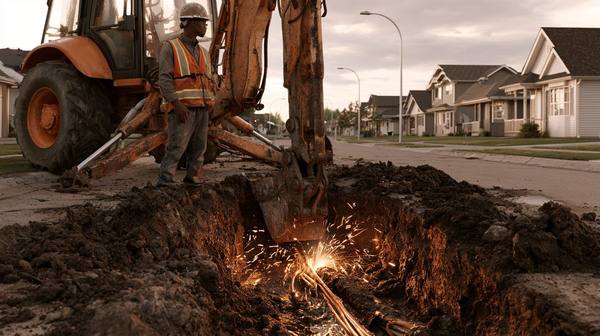
On a Tuesday morning in April 2021, a fiber optic installation crew in a suburban Atlanta subdivision did not call 811 before drilling. Their boring equipment cut through an underground power cable. Power to approximately 6,000 homes went out at 10:22 AM. Weather: clear skies, 72 degrees, no weather event of any kind.
Among the affected households was a 68-year-old man who performed home peritoneal dialysis four times per day. His machine was in the middle of a treatment cycle when the power failed. Home dialysis requires continuous power during treatment sessions. His machine stopped. He completed the cycle manually using gravity drainage, which his nephrologist had trained him on as an emergency procedure. But he had to reach his equipment storage in a darkening house, execute a procedure he had only practiced twice, and wait nearly 11 hours for power to be restored.
He was fine. He was prepared enough to know the manual procedure. But he told his nephrologist afterward: “I keep thinking about what would have happened if I hadn’t been home. Or if I’d been ten years older and couldn’t move as fast.” The fiber optic crew drove away without stopping. They may not have known what they cut.
✅ What a generator would have meant: An automatic standby generator would have transferred power within 11 seconds. His dialysis machine would never have stopped. He would not have had to execute an emergency manual procedure in a darkening house. He would have finished his treatment cycle, eaten lunch, and called the utility to report the outage for his neighbors.
The Many Ways Human Error Takes Your Power

Underground cable strikes
The most common human-error cause. Contractors, homeowners, and utility workers digging, drilling, or boring without confirming the location of underground utilities strike power cables thousands of times per year. The Common Ground Alliance estimates that 40 percent of underground utility damages occur when the excavator did not call 811 (the national “call before you dig” number) before starting work. The other 60 percent occur when 811 was called but marks were misread, shifted over time, or were incomplete.
Overhead line contact by equipment
Crane operators, tree trimming crews, truck drivers with tall loads, and farm equipment operators contact overhead power lines regularly. A crane that touches a distribution line can cause immediate outages affecting thousands of homes. Equipment operators are not always aware of line locations or clearance requirements.
Utility worker error
Utility crews performing planned maintenance sometimes cause unplanned outages through switching errors, improper equipment handling, or work on the wrong circuit. These events are infrequent but occur across every utility in the country as a documented category of outage cause.
Vegetation management failures
Utilities are required to maintain clearance zones around power lines to prevent tree contact. When vegetation management is deferred — common due to budget pressures — trees grow into clearance zones and contact lines during wind events or under their own weight. This is human error of omission rather than commission, but the result is the same.
Call Before You Dig: 811
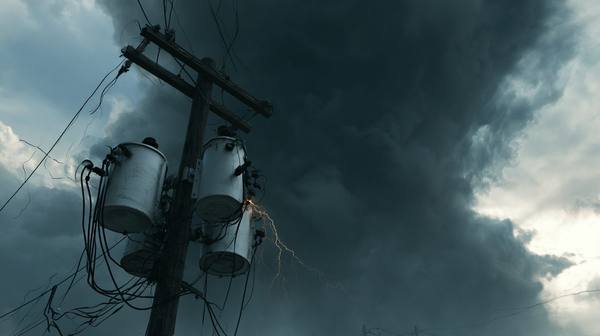
The national “call before you dig” system requires excavators to call 811 (or submit a request online) before any digging deeper than 12 inches. Utility companies then mark the location of underground facilities with color-coded flags or paint. Red marks indicate electrical. Despite this system, underground damage incidents remain in the hundreds of thousands per year because the system depends on everyone using it — and not everyone does.
If you are having work done on your property that involves any digging, ask your contractor if they have called 811 and received marks. If they have not, require it. You have no control over contractors on other properties near your home — but you can ensure that work on your own property follows the law and protects the infrastructure serving your neighbors.
The 50–70 Math: Human Error Outages Happen on the Best Days

Construction crews work in good weather. Drilling and boring contracts are scheduled for spring and fall, when conditions are ideal. The outage that results from their error reaches you on a Tuesday morning when the weather is fine, you were not watching the news, and nothing about the day suggested you needed to have your backup battery charged.
This is why the “charge the battery when a storm is coming” strategy fails for 10 to 20 percent or more of actual outage events. The storm gives you warning. The backhoe does not. The squirrel does not. The aging transformer does not. The only preparation that works for all categories of outage is automatic, continuous backup power that requires no advance decision.
At 55, a whole-home standby generator is a 20-year investment in not having to make emergency decisions in a darkening house. At 68, like the dialysis patient in Atlanta, you are executing emergency manual procedures and wondering what happens if you are ten years older. At 75, the Atlanta scenario plays out very differently.