🚨 Portland, Oregon — June 2021 — Transformer Failure
The Transformer Had Been Dying for Years. Nobody Knew. 12,000 Homes Went Dark.
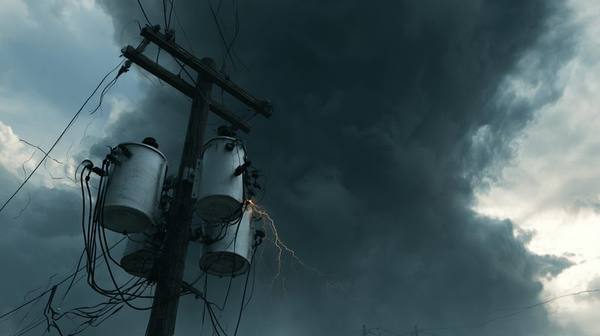
 On a Tuesday afternoon in June 2021, a large power transformer serving a Portland suburb failed without warning. No storm. Temperature was 94 degrees — warm for Portland but not extreme. No accident. The transformer had been operating past its designed service life, accumulating internal damage invisible from the outside, and it failed.
About 12,000 households lost power. Restoration took 18 hours. Four days later, the Pacific Northwest heat dome arrived, pushing temperatures to 116°F. Many of the same neighborhoods lost power again as additional aging transformers failed under the thermal stress.
Among the affected households on that Tuesday was a 76-year-old woman who depended on a home oxygen concentrator. She had a small portable oxygen tank — designed for travel, holding about four hours of supply. The utility’s estimated restoration time when she called was “unclear.” Her daughter drove 40 minutes to get her. She was fine — this time. Three people in the region died during the subsequent heat dome event. All were over 70. All were without power.
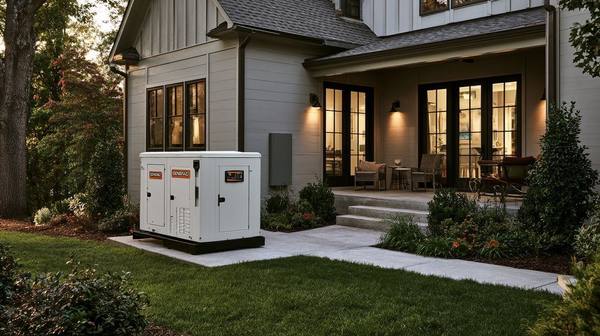
✅ What a generator would have meant: A whole-home standby generator would have started automatically within 11 seconds of the transformer failure. Her oxygen concentrator would never have noticed. She would never have needed to call her daughter. She would not have needed to count how many hours of oxygen she had left on a hot Tuesday afternoon while waiting for a utility callback.
How Old Is the Grid Serving Your Home?
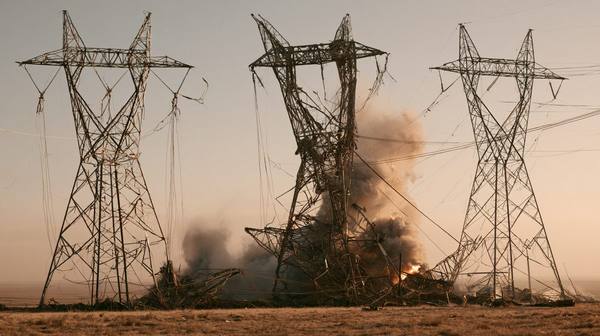 The American electrical grid was largely constructed between 1950 and 1980. The transmission lines, substations, and distribution equipment serving your neighborhood were designed and built in a different era — for lower demand, milder climate conditions, and no cyber threats. Many components have been in continuous service for 40 to 60 years.
The American Society of Civil Engineers gives US energy infrastructure a grade of C- in its annual Infrastructure Report Card, citing aging equipment, deferred maintenance, and investment levels that are a fraction of what is needed to modernize the system. This is not a future problem. It is a present reality operating in every state, affecting every utility customer.
What this means practically: the transformer on the pole at the end of your street may be 35 years old, operating past its design life, in an environment hotter and more demanding than it was built for. You cannot see this from your kitchen window. Your utility company may not know the internal condition without specialized testing that does not happen routinely. The first sign of failure is often the failure itself.
The 50–70 Math: Why Aging Infrastructure Requires Year-Round Readiness
Weather-caused outages allow for preparation windows — storm watches, forecasts, advance warning. Aging infrastructure failures provide none of that. A transformer fails on a random Tuesday. The grid management system glitches at 2 AM on a Saturday in October. Equipment that has been deteriorating invisibly for years gives way on a day with no weather event at all.
For a senior living alone who depends on powered medical equipment, this means that event-triggered preparation — “I’ll charge the battery when I see a storm coming” — does not work for this category of outage. The only effective strategy is continuous automatic protection.
A whole-home standby generator starts automatically within seconds of any power failure — regardless of cause, regardless of time of day, regardless of whether you are asleep, awake, or away from home. It is the only solution that addresses the unpredictability of aging infrastructure failures. At 55 or 60, you have the resources to make this investment. At 75, lying in a darkening bedroom at 2 AM counting how many hours your oxygen tank has left, you do not have the option to make it retroactively.
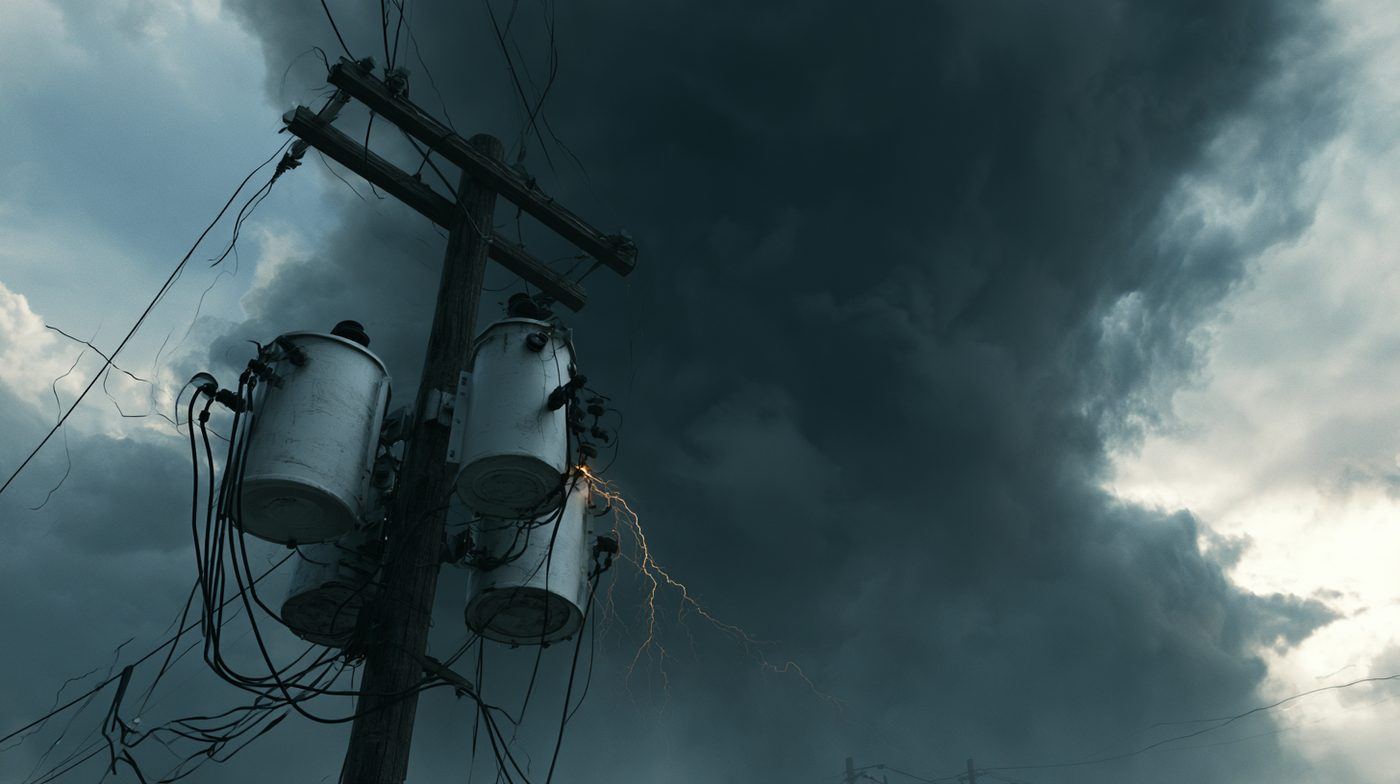
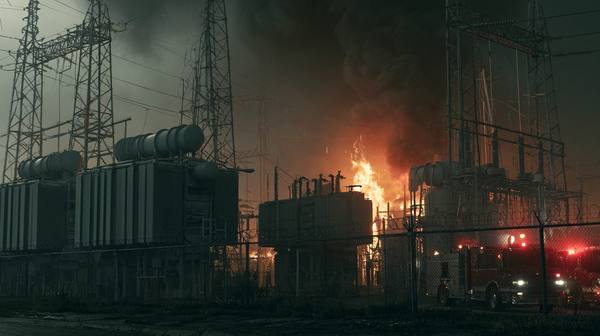 Large power transformers — the massive units that step high-voltage transmission power down for regional distribution — are the most critical and most vulnerable component of the American grid. There are approximately 2,000 of these units in the US. The average one is over 40 years old and was designed for a 30 to 40 year service life.