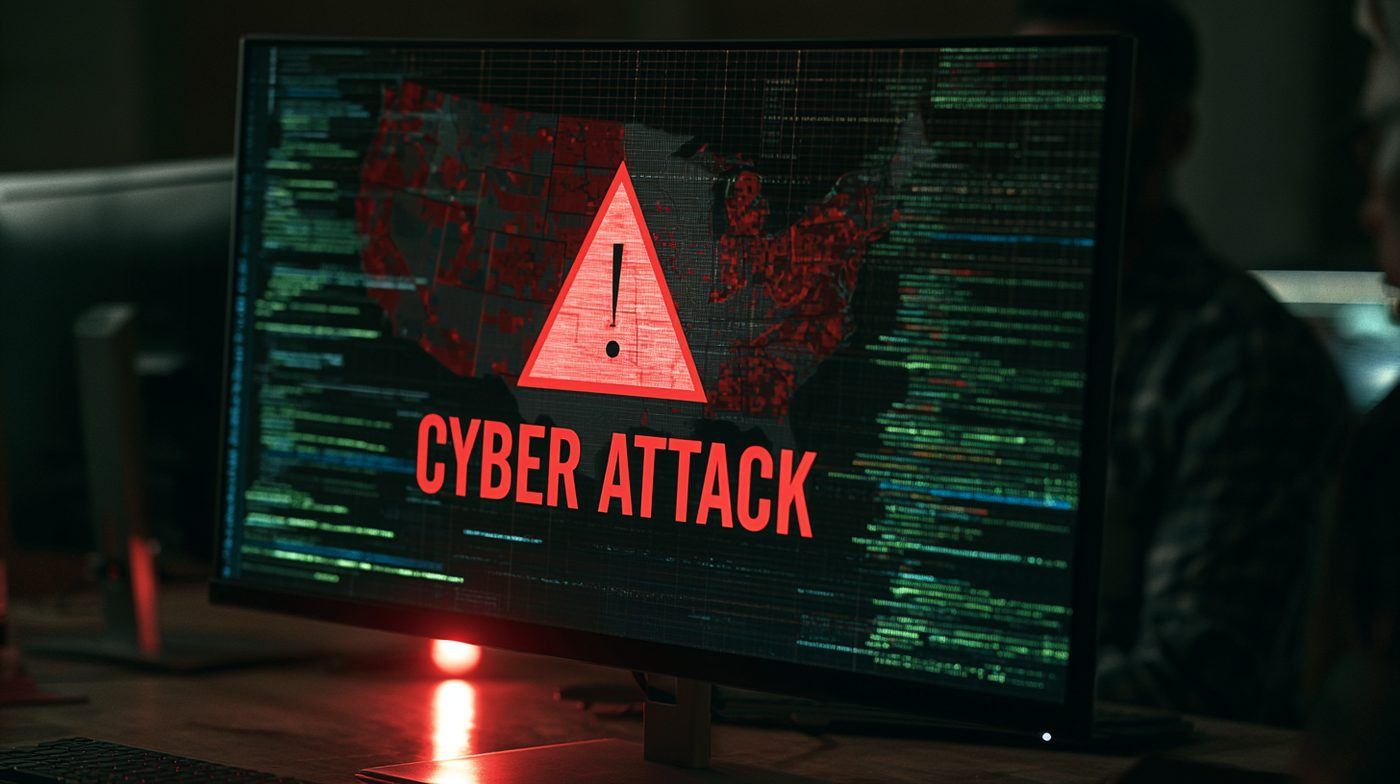
🚨 Ukraine — December 23, 2015 — The First Grid Cyberattack in History
Hackers in Russia Turned Off the Lights for 225,000 Ukrainians. It Took Six Hours to Fix. The US Was Watching.
On December 23, 2015, at 3:35 PM local time in Ukraine, hackers who had spent months inside three power distribution companies’ networks began opening breakers at 30 substations simultaneously. 225,000 customers lost power. The hackers had also destroyed the software controlling the breakers, preventing remote recovery. They flooded the utility call centers with thousands of automated calls to prevent operators from making outbound calls.
 Technicians had to drive to each of 30 substations and close breakers by hand. Power was restored to most customers in about six hours. One year later, on December 17, 2016, the same actors deployed malware called CRASHOVERRIDE that could automatically communicate with grid control systems and open breakers on its own — without any human operator involved.
US intelligence officials, testifying publicly before Congress, described the Ukrainian attacks as a demonstration of Russian capability that had already been tested in US utility networks. In 2018, a joint DHS and FBI advisory confirmed that Russian hackers had penetrated US electric utility control systems and had “the ability to access industrial control systems and cause disruptions to the power supply.”
⚠️ What makes this different from a storm: A storm gives you days of warning. A cyberattack gives you no warning at all. One moment your power is on. The next it is not. No weather forecast. No storm watch. No time to charge batteries or start a generator. For a senior on oxygen or insulin who assumed they would have warning before any serious outage, the sudden nature of a cyberattack is the most dangerous aspect.
225K
Ukrainians blacked out in the first confirmed grid cyberattack, 2015
2016
Year DHS/FBI confirmed Russian hackers had accessed US utility control systems
#1
DHS ranking of cyberattacks on critical infrastructure as a national security threat
18mo
Potential outage duration if large transformers are physically damaged through cyber means
What Has Already Happened Inside US Utility Networks
 In March 2018, DHS and FBI confirmed in a joint public alert that Russian state-sponsored hackers had conducted a multi-stage intrusion campaign against the US energy sector since at least March 2016. The hackers used spear-phishing emails to gain access to trusted vendors and contractors, then moved through those networks to reach utility control systems.
The advisory confirmed that the attackers had achieved access to the systems that physically control grid infrastructure. Not just the IT systems that handle billing and customer service — the operational technology systems that flip switches and control breakers. They chose not to cause a blackout. They had the capability to do so.
In 2022, CISA issued a warning that Russian state actors had developed updated versions of the CRASHOVERRIDE malware framework and were targeting US industrial control systems. The warning named specific vulnerabilities being actively exploited in US grid software.
The question is not whether US utilities have been targeted. They demonstrably have been, and demonstrably remain targets. The question is what happens to your household when the decision is made to act on that capability rather than demonstrate it.
How a Cyberattack Blacks Out a Region
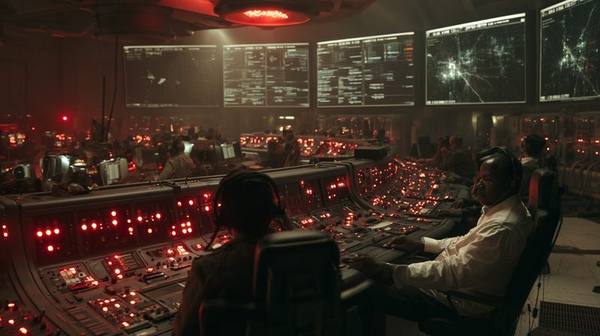
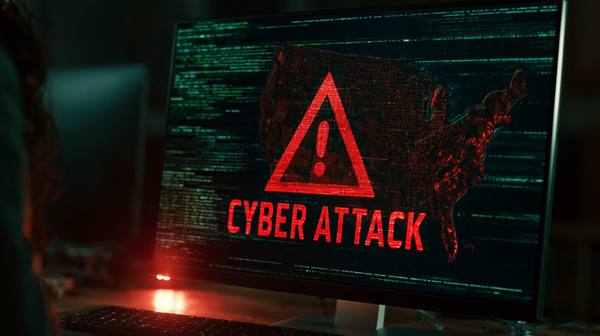 Modern utilities use SCADA (Supervisory Control and Data Acquisition) systems to monitor and control infrastructure remotely. Operators in a central control room can see the status of every breaker, transformer, and switch in their system and control them with software commands. This remote control capability is what makes the grid efficient to operate — and what makes it vulnerable to cyber intrusion.
An attacker who gains access to SCADA systems can open breakers to cut power, close them in sequences that damage equipment, or deploy destructive software that prevents recovery. The most catastrophic scenario — documented in congressional testimony — involves using cyber access to physically damage large power transformers by commanding them to operate in ways that destroy their internal components. Once a large transformer is physically damaged, it must be replaced. That takes 12 to 18 months.
The 50–70 Math: A Generator Works Whether the Cause Is a Hurricane or a Hacker

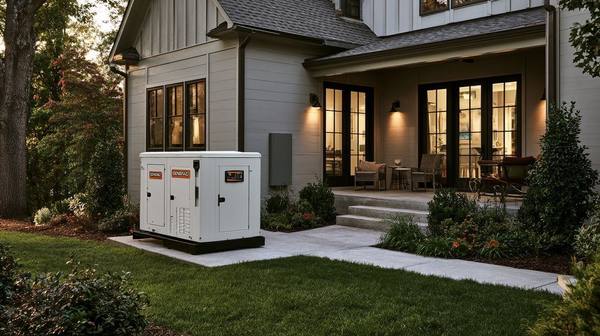 Your insulin refrigerator does not know why the power went out. Your oxygen concentrator does not distinguish between a storm and a cyberattack. The medical consequence of a power failure is determined by the duration of the outage and your ability to sustain critical functions — not by the origin of the cause.
A whole-home standby generator running on propane operates completely independently of the electrical grid. It has its own fuel supply, its own controls, and its own power generation. A cyberattack that takes down every grid-connected system in your region does not affect your generator. It starts automatically, runs your home, and continues running as long as fuel is available.
At 55, you have the income and mobility to install a generator and set up a propane supply contract. At 75, sitting in a dark house after a cyberattack that the government later confirms took weeks to neutralize, those options are not available to you retroactively. The decision made in your 50s is the one that matters in your 70s.
What a Senior Actually Needs to Know About Grid Cybersecurity
The cybersecurity threat to the grid is real, documented, and taken seriously by federal agencies whose job is to assess it. You do not need to understand the technical details of SCADA systems or industrial control protocols to understand what this means for your household. Here is what is relevant.
You will not get advance warning
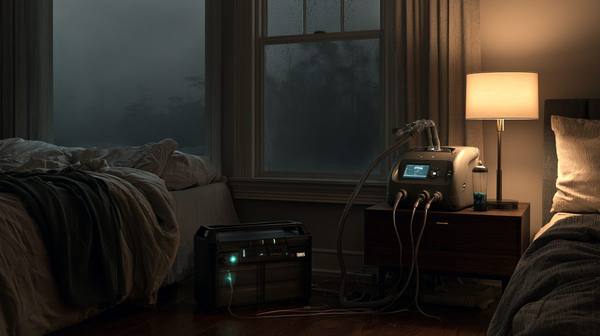 A cyberattack on the grid does not come with a weather forecast. It does not appear on the National Hurricane Center map three days in advance. It does not give you time to charge your battery station or buy a generator. The power simply goes out — at any time of day or night, in any season, in any weather. For a senior who relies on powered medical equipment, the cause of the outage is irrelevant. The timeline of consequences is identical to any other extended outage.
Recovery could take longer than a storm
After a hurricane, utility crews can assess physical damage and begin restoration once conditions allow. After a cyberattack, crews must first determine what was attacked, how, and whether the control systems themselves can be trusted. This investigation can significantly delay restoration timelines. If the attack caused physical damage to large transformers — a documented capability — restoration could take months, not days.
Your generator is immune to the attack
A whole-home standby generator running on propane stored in a buried tank on your property has no connection to the utility grid’s software systems. A cyberattack that takes down every grid-connected system in your region does not affect your generator. It is powered by propane. It has its own control system. It starts automatically. The sophistication of the attack is irrelevant to your household’s continued operation.
The preparation is identical to any other outage
The steps a senior should take to prepare for a cyber-caused outage are exactly the same as the steps to prepare for a hurricane-caused outage or a transformer failure outage. Backup power, medication supply, water storage, communication plan. The threat is different. The response is the same. One generator covers all 15 documented causes of power outages, including a cyberattack.
Verified US Incidents — What Has Actually Happened
 The threat to US grid infrastructure from cyberattacks is not theoretical. It is documented in government advisories, congressional testimony, and public statements from federal agencies. Here is a verified timeline of what has occurred.
- 2016: DHS and FBI confirm Russian state-sponsored hackers have been inside US electric utility control systems since at least March 2016, with access to operational technology controlling physical infrastructure.
- 2018: Joint DHS/FBI Technical Alert (TA18-074A) publicly confirms the extent of Russian utility network penetration, including access to SCADA systems capable of controlling physical equipment.
- 2020: The SolarWinds attack compromises the software supply chain for dozens of US government agencies and hundreds of private companies, demonstrating that adversaries can compromise targets through trusted software update channels.
- 2021: A hacker gains remote access to the Oldsmar, Florida water treatment plant and attempts to increase sodium hydroxide to dangerous levels. The technique mirrors grid attack methods. The attack is stopped by an alert operator.
- 2022: CISA issues advisory warning that Russian state actors have developed updated CRASHOVERRIDE malware targeting US industrial control systems, with specific vulnerabilities being actively exploited.
None of these events caused a deliberate US power outage. What they demonstrate is that the capability exists, has been tested in US networks, and is being actively maintained and updated by foreign state actors.
A Generator Is Independent of the Grid. That Is Exactly the Point.
Whatever takes the grid down — storm, cyberattack, equipment failure, physical attack — your generator is not affected. It runs on propane stored on your property. It starts automatically. It powers your home the same way regardless of why the utility power failed. That independence is the single most important feature for a senior in a world where power goes out 15 different ways.
⚡ Calculate My Generator Size →
See All 15 Reasons Power Goes Out
Frequently Asked Questions
Has a cyberattack ever caused a power outage in the US?
No deliberate US blackout has been publicly confirmed as cyberattack-caused as of 2026. What has been confirmed is that foreign hackers have gained access to US utility control systems and demonstrated the capability to cause outages. Ukraine has experienced two actual cyberattack-caused blackouts. US officials consistently describe the Ukrainian events as demonstrations of capability intended for future deployment against US and Western infrastructure.
Would I know if my power outage was caused by a cyberattack?
No — not immediately. Your power would simply go out. The cause would be investigated and potentially disclosed days or weeks later. Your preparation and response would be identical to any other extended outage. This is another reason why permanent backup power readiness is more effective than event-triggered preparation.
Can a whole-home generator run for months if needed?
Yes, as long as fuel is available. A propane generator connected to a buried propane tank can run indefinitely with regular fuel deliveries. Many propane suppliers have emergency delivery programs. For very long outages, fuel management — knowing your consumption rate, scheduling deliveries, and conserving propane during less critical hours — becomes a primary household concern.
📚 Primary Sources & Official Data
Page last reviewed: June 2026 | Author: Franklyn Galusha

Written & Researched By
Founder, Franklyns Bay LLC — Florida resident since 1984 — 25+ years SEO & web publishing — Nature Coast homeowner & 40+ hurricane seasons lived through.
Full bio →