🚨 Tulsa, Oklahoma — March 2019 — Clear Skies, 58 Degrees
Dorothy Was 74. A Squirrel Took Her Power. She Had Four Hours of Oxygen Left and the Utility Said “Unclear.”
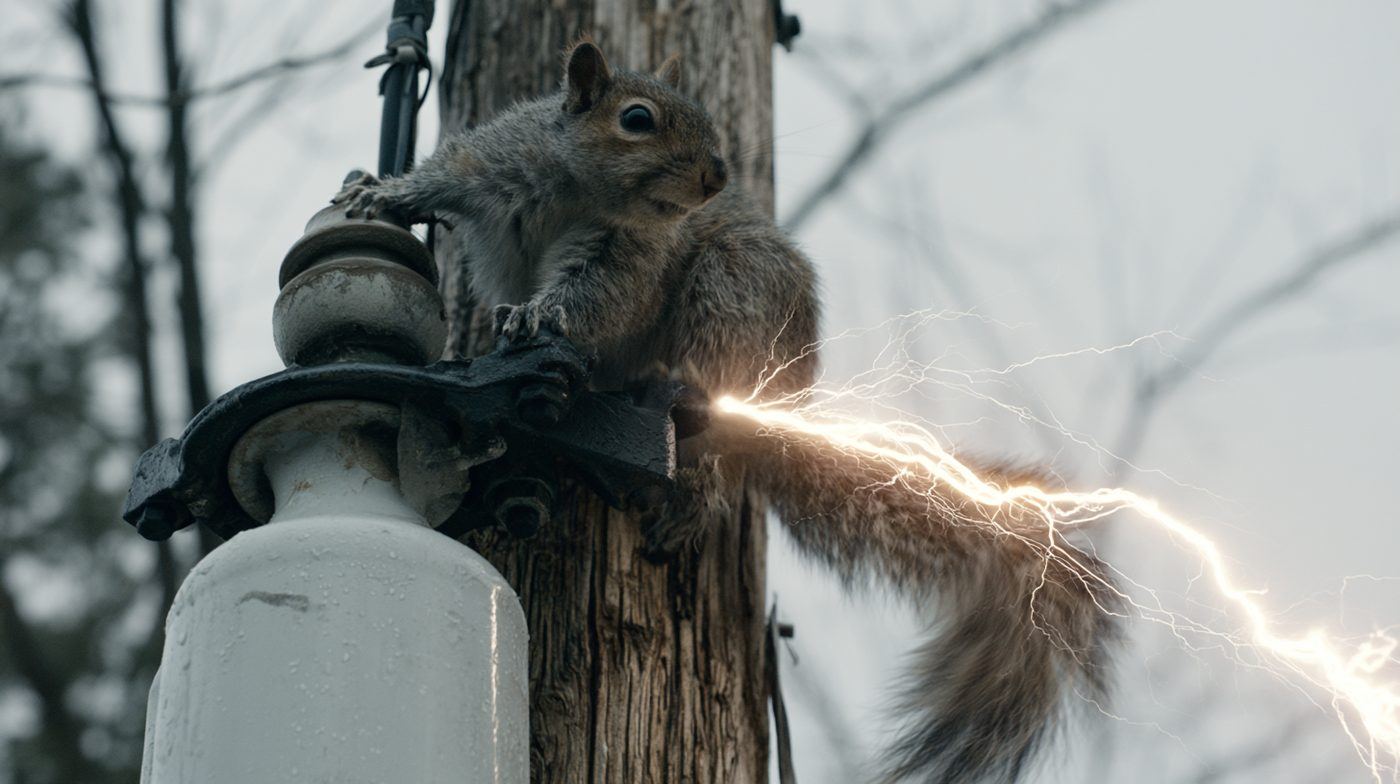
 On a calm March morning in Tulsa — clear skies, 58 degrees, no weather event of any kind — a squirrel entered a Public Service Company of Oklahoma substation and contacted energized equipment. The resulting short circuit tripped protective relays and cut power to 8,000 homes.
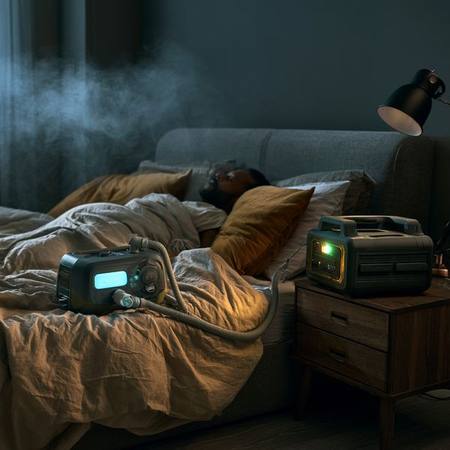
Dorothy was 74 and depended on a home oxygen concentrator. Her concentrator stopped at 9:14 AM. She had a small backup oxygen tank she kept for travel: approximately four hours of supply. She called the utility, which gave her an estimated restoration time of “unclear.” She called 911 and was told that oxygen emergencies qualified for priority response but that dispatch was extended due to multiple calls from the outage area.
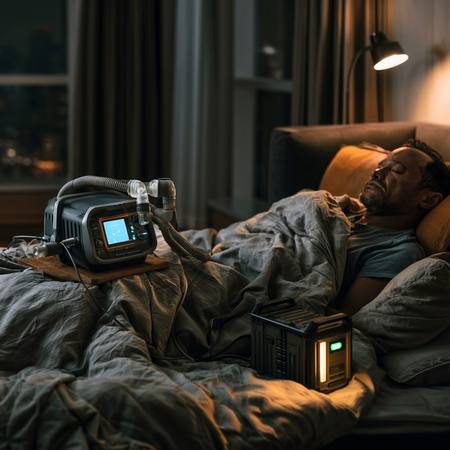 Her daughter, who was 40 minutes away, drove to her immediately. They went to the hospital as a precaution. Dorothy was fine. She was lucky that her daughter was available, that her car started, and that her tank had four hours instead of two. The outage lasted seven hours. Had her daughter not been reachable, she would have been making very different decisions within three hours.
✅ What a generator would have meant: Dorothy’s whole-home standby generator would have started within 11 seconds of the outage. Her oxygen concentrator would have continued running without interruption. She would not have known there was an outage until she looked outside and saw her neighbor calling the utility. The squirrel would have been irrelevant.
⚠️ The specific danger of animal-caused outages: They happen when the weather is perfect. No storm watch. No opportunity for weather-triggered preparation. If you only charge your backup battery when a storm is forecast, you are not prepared for the category of outage that causes 10 to 20 percent of all US blackouts.
Squirrels: The Leading Animal Cause of US Power Outages
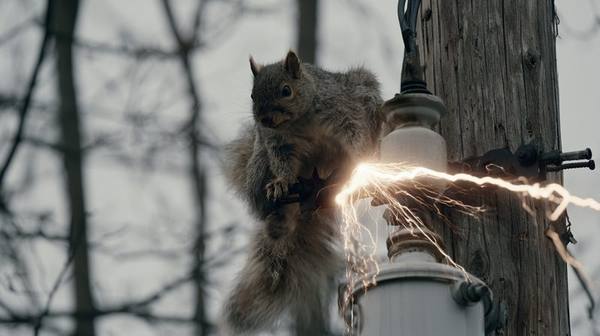
Squirrels are drawn to electrical substations and transformers for the same reason they enter attics and crawl spaces: warmth and shelter. Substations maintain elevated temperatures from electrical resistance. Squirrels seeking a warm den or dry shelter find substations ideal — until they contact energized equipment and create a short circuit.
When a squirrel contacts two conductors at different voltages simultaneously, or bridges an energized conductor and a grounded surface, current flows through the animal and causes a fault. Protective relays throughout the substation trip, cutting power to all customers served by the affected equipment. The American Public Power Association has called squirrels one of the most significant animal threats to the electrical grid. Some utilities track squirrel-caused outages in dedicated categories in their outage management systems.
Utilities install animal guards, insulated covers, and deterrents to reduce wildlife contacts. But the scale of the grid makes complete prevention impossible. Squirrels are persistent, intelligent, and numerous. Wildlife-caused outages are an accepted, ongoing cost of operating overhead electrical infrastructure.
Birds: Nests, Contacts, and Contamination
Large raptors — eagles, ospreys, and hawks — build massive nests on transmission towers and distribution poles. Wet nests can cause short circuits. Nests bring vegetation into contact with energized lines. The Migratory Bird Treaty Act protects most species, complicating nest removal and sometimes requiring utilities to wait for nesting seasons to end before addressing problem nests.
Bird contacts with energized equipment — particularly large birds like herons and cormorants with wingspans that can simultaneously touch equipment at different voltages — cause substation outages throughout the country. Bird droppings accumulating on insulators can cause “tracking” — surface conduction along normally insulating material — that leads to equipment failure and fires at substations near large roosting areas.
Snakes, Raccoons, and Rats: The Rest of the Wildlife Threat
Snakes climb poles, conduits, and equipment enclosures to enter substations. In the Southeast and Southwest, where large snake species are active during warm months, snake-caused substation outages are a regular documented occurrence. Raccoons — intelligent and persistent — can open junction boxes and pull covers from equipment. Rats and mice chew through cable insulation in underground conduits and equipment enclosures, creating fault points that fail later, often during rain events when moisture enters the damaged area.
No region of the country is immune from wildlife-caused outages. The specific species vary by geography, but the fundamental problem — exposed electrical infrastructure operating in the same physical space as wildlife — is universal.
The 50–70 Math: 10 to 20 Percent of Outages Cannot Be Predicted From Weather
If you are a senior who has decided to charge your backup battery when a storm is forecast, you have not prepared for the category of outage that causes 10 to 20 percent of all US blackouts. You have not prepared for the outage that hit Dorothy on a 58-degree clear Tuesday in March. You have not prepared for the outage that happens when your generator is uncharged, your backup tank is empty, and the utility says “unclear” when you ask when the power is coming back.
The generator solution for weather outages is identical to the generator solution for animal-caused outages: automatic, continuous, independent backup power that starts within seconds of any power failure regardless of cause. The same whole-home standby generator that protects you during a hurricane protects you when a squirrel decides that today is the day it explores a Tulsa substation.
At 55, the investment is accessible. At 74, in the position Dorothy was in on that March morning, the investment was not available after the fact. The squirrel did not give her time to reconsider.